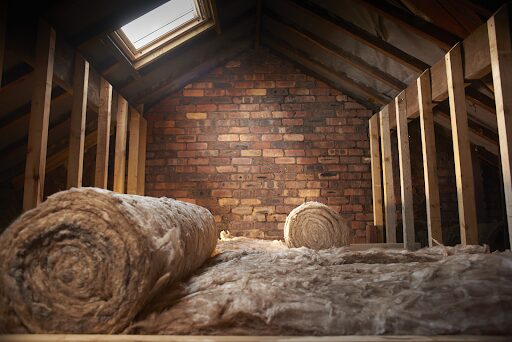
How Home Insulation is Transforming Older Homes in the UK
Britain’s older homes tell stories through their walls, tales of craftsmanship and architectural brilliance. But they also whisper about drafty corners and rising heating bills. In recent years, I’ve watched a quiet revolution unfold in these historic properties.
Many homeowners are discovering Insulation Grants and realising they can upgrade their homes without carrying the full cost themselves. They aren’t just adding another layer of insulation; they’re rethinking how their homes should perform in an energy-conscious world.
The transformation hasn’t always been straightforward. Some days, I still shake my head at the sight of rushed DIY jobs where someone slapped foam insulation over period features without thinking about the consequences. But when the work is planned properly, the results can be remarkable.
Why Older Homes Need Insulation?
Let’s talk numbers – not because they’re impressive (though they are), but because they matter to your wallet. Picture this: you’re essentially throwing money out the window when heat escapes through poorly insulated exterior walls. I’ve seen homes where uninsulated walls account for a staggering 35% of heat loss. Add another 25% through the roof, and you might as well be heating the neighbourhood.
The environmental impact hits harder when you realise these heat-transfer issues multiply across millions of UK homes. Each poorly insulated property contributes to our carbon footprint like a leaky tap filling a bucket – steady, persistent, and surprisingly substantial over time.
Building codes keep evolving, pushing for better energy performance standards. It’s not just about following rules anymore; it’s about adapting these beautiful old homes for a future where energy efficiency isn’t optional.
Common Challenges with Insulating Older Homes
Here’s the thing about older homes – they’re full of surprises, and not always the good kind. I once worked on a Georgian property where the owner insisted on stuffing modern insulation materials into every nook and cranny. Within months, damp patches appeared on walls that had been dry for centuries.
The problem? Old houses need to breathe. Those solid walls weren’t built with vapour barriers or thermal bridging in mind. They managed moisture their own way, through natural air movement and porous materials. Throw modern insulation into the mix without proper planning, and you’re asking for trouble.
Insulation Options for Older Homes
Choosing the right insulation material feels like picking the perfect wine – it needs to complement what’s already there. R-values matter, sure, but they’re not the whole story. I’ve seen stunning results with natural fibres like hemp and sheep wool, especially in buildings where maintaining breathability is crucial.
Modern options range from traditional fibreglass batts to high-tech spray foam insulation. Each brings something different to the table. Rockwool and cellulose have become favourites for older properties because they work with the building’s character rather than against it.
When it comes to installation methods, you’ve got choices. External insulation involves wrapping your home in a cosy blanket of rigid foam or insulation board, topped with new cladding. Internal solutions work within existing walls, though you’ll sacrifice some floor space. Both approaches need careful thought about damp prevention and thermal bridging.
Techniques for Effective Insulation
Once you make all the efforts to make your home insulated, have you noticed some air still sneaks through and ruins your efforts? That’s because you ignore some important places to insulate. Here are a few of them:
- The devil’s in the details – or in this case, in the tiny gaps around your windows and doors. I’ve seen homeowners spend thousands on wall insulation while ignoring simple draught-proofing measures that could have made a significant difference.
- Think about your home as a complete system. Those leaks around electrical outlets? They matter. The gaps where pipes enter your walls? They count. Even the smallest thermal bridges can undermine your insulation efforts.
- In crawl spaces and attics, proper installation makes or breaks the project. I’ve lost count of how many times I’ve seen batts stuffed haphazardly between joists, creating air pockets that defeat the whole purpose. Careful attention to studs, proper spacing, and combining different types of insulation often yields the best results.
Financial Considerations
Let’s talk money – because that’s what it often comes down to. The upfront costs can make your eyes water, no doubt about it. But here’s what most people miss:
- Energy savings aren’t linear. I’ve watched clients’ energy bills drop by 15-35% after proper insulation, with some seeing even better results.
- The trick is thinking long-term. Those heating and cooling costs add up month after month, year after year. When you factor in rising energy costs, good insulation starts looking less like an expense and more like an investment.
- Government schemes help, though navigating them can feel like solving a puzzle. Some clients have combined different funding sources creatively, making significant improvements more affordable than they initially thought.
- You can avail of schemes like Energy Company Obligation 4, Home Upgrade Grants, and the Great British Insulation Scheme. They provide complete funding for the insulation of your property, especially the older homes.
To avail of such financial incentives, you can contact reliable installers who do installations under these schemes. For example, you can contact ECO Energy Services if you are applying through the ECO4 scheme for the insulation.
Conclusion
After decades of working with period properties, one thing stands clear: insulating older homes isn’t just about staying warmer or saving on energy bills. It’s about preserving these architectural treasures for future generations. The transformation requires patience, knowledge, and respect for the building’s original character.
For homeowners contemplating this journey, take time to understand your home’s specific needs, work with experienced installers who understand period properties, and don’t be afraid to combine different approaches for the best results.
Looking ahead, we’re seeing promising developments in insulation products and techniques. From recycled materials to advanced polystyrene solutions, new options continue to emerge. But the fundamental principles remain: respect the building’s heritage, understand how it works, and make changes that enhance rather than compromise its character.


Post Comment