Acoustics and Soundproofing in Metal Buildings
Metal buildings are known for strength, speed of build, and long-term value. What many buyers do not think about until after the building is up is sound says Mark Thomas Properties Chapel Hill team. If you plan to use the space as a workshop, studio, gym, home office, or even a barndominium, acoustics matter. The good news is that modern metal buildings can be designed to feel quiet, comfortable, and controlled, without sacrificing the durability steel is known for.
Sound issues in metal buildings usually show up in a few ways. You might hear rain and hail more sharply on the roof. Power tools can echo and feel harsher. Music can bounce off hard surfaces and become muddy. If the building is near a road, outside noise can leak in. None of these are deal breakers, but they do require planning.
The first thing to understand is why metal buildings can feel louder than other structures. Steel panels and open interiors reflect sound. Many metal buildings also have large, uninterrupted wall spans, which can create a “boxy” echo. If the building is not insulated, exterior noise travels more easily. That is why sound control is less about the steel itself and more about what you put behind it and inside it.
Insulation is the foundation. In metal buildings, insulation does double duty. It controls temperature and it reduces sound transfer. A properly insulated roof and wall system can noticeably soften rain noise and reduce outside sound. Spray foam can be especially effective because it seals gaps and adds density. Blanket insulation can also help, especially when paired with interior liners that reduce vibration.
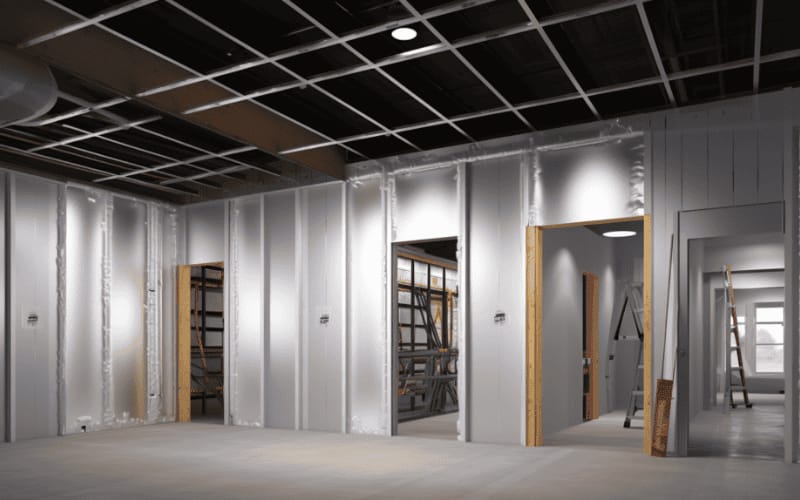
Next is the interior surface strategy. If you leave a metal building with exposed metal walls, exposed purlins, and a hard concrete floor, sound will bounce around. The fix is simple: add absorption. Finished interior walls with drywall or lined panels, acoustic panels, and even strategic shelving can reduce echo. For workshops, adding plywood or OSB interior walls can make the room feel less harsh while also giving you a surface to mount tools. In studios, acoustic panels and ceiling clouds can control reflections and improve recording quality.
Flooring matters too. Concrete is practical, but it reflects sound. Rubber mats in gym zones, anti-fatigue mats in work zones, and area rugs in office zones can reduce the “slap” echo and make the space feel warmer. For barndominiums, layered flooring systems with underlayment can help reduce footfall noise and create a quieter living environment.
Doors and windows are another common weak point. Large roll-up doors are convenient, but they can leak sound if they are not well sealed. Upgrading weather seals, adding insulated door panels, and using interior partitioning can help. For a home office or studio, consider adding a standard insulated entry door in addition to the roll-up door. For windows, double-pane units reduce outside noise far better than basic single-pane choices.
Ventilation can also change how a building sounds. Large fans, exhaust systems, and HVAC units add their own noise. If you are building a space where quiet matters, look at equipment ratings and placement. Locating noisy equipment away from work zones and using ducting that reduces vibration can make a huge difference.
If your goal is a quiet interior, interior layout is your secret weapon. Metal buildings are flexible, so you can design zones that naturally reduce sound. Put the noisiest functions, like grinding, air compressors, or woodworking, on one side. Put quiet functions, like an office or lounge, on the other side. Use storage rooms, bathrooms, or closets as buffers. Even a simple partition wall can turn one loud open space into a building that feels professional and comfortable.
This is where metal buildings stand out. You can start with a basic shell and build the interior in phases. Many owners begin with a functional workshop, then add sound control as they refine how they use the building. That is a realistic approach that keeps the project on budget while still delivering a high-quality end result.Metal Buildings in Sacramento do not have to sound like a tin can. With insulation, absorption, sealing, and smart interior planning, you can create a space that feels quiet, premium, and purpose-built. Whether you want a clean home office, a calm gym, a music studio, or a shop that does not punish your ears, sound control is one of the best upgrades you can plan for.




Post Comment