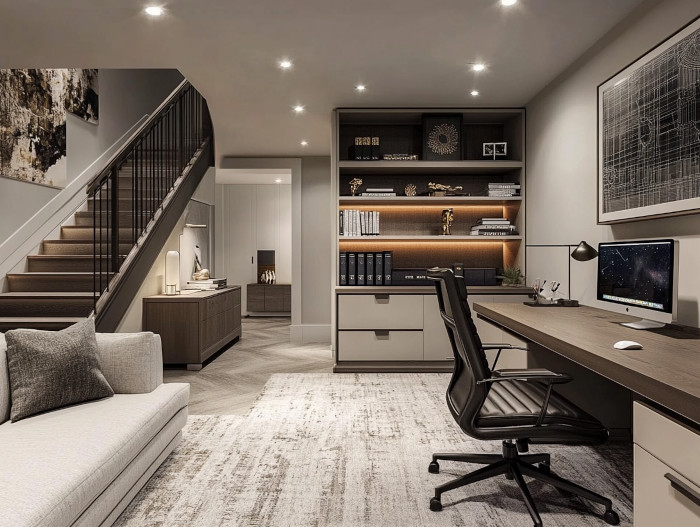
Basement Renovation Tips for Creating a Functional Home Office
As remote and hybrid work become the norm, homeowners are rethinking how their spaces are used. Spare bedrooms and kitchen tables can work temporarily, but they rarely provide the privacy, focus, or professionalism needed for long-term productivity. That’s why, according to RPM Peace, basement renovations are increasingly centred around one key feature: a dedicated home office.
A basement offers square footage, separation, and flexibility that upper floors often can’t. But turning it into a comfortable, effective workspace requires more than adding a desk and some drywall. The most successful basement renovations and basement home offices are planned with lighting, acoustics, layout, and daily workflow in mind from the very beginning.
Start With Purpose, Not Just Space
Before any framing or finishing begins, clarify how the office will actually be used. A home office for video calls and client meetings has different needs than one used for focused solo work, creative projects, or running a business.
Consider how many hours a day the space will be occupied, whether confidentiality matters, and if the office needs to accommodate more than one person. These answers shape everything from room size to soundproofing and electrical planning. Treat the office as a primary room, not an afterthought tucked into leftover basement space.
Natural Light Changes Everything
Basements often suffer from one major drawback: lack of natural light. This doesn’t mean a basement office has to feel dark or cave-like, but it does mean lighting must be handled intentionally.
If the basement has windows, prioritize the office location near them. Even small or high-set windows can make a big psychological difference. Enlarging window wells or upgrading to egress-style windows can dramatically improve light while also adding safety and resale value.
When natural light is limited, layered lighting becomes critical. Recessed ceiling lights provide overall brightness, while task lighting and wall-mounted fixtures prevent eye strain and shadows. Choosing warmer, daylight-balanced bulbs helps the space feel more like a main-floor room than a basement.
Soundproofing Is a Smart Investment
One of the biggest advantages of a basement office is separation from the rest of the home—but only if sound is properly managed. Without soundproofing, noise from footsteps, plumbing, or shared walls can quickly become distracting.
Adding insulation in walls and ceilings helps absorb sound and improve privacy. Solid-core doors, acoustic panels, and even area rugs can further reduce noise transfer. If the office will be used for calls, recording, or sensitive work, this step pays off every single day.
Soundproofing also works both ways. A quiet basement office prevents work noise from spilling into family areas, which is especially valuable in homes with kids or shared living spaces.
Layout Should Support Focus
Basement layouts are often constrained by mechanical rooms, support posts, and low ceilings. A good renovation plan works around these elements rather than fighting them.
Avoid placing the office directly beside noisy utilities like furnaces or water heaters. If unavoidable, add extra insulation and sound barriers. Columns can sometimes be integrated into built-in shelving or desks instead of being visual obstacles.
Think about sightlines as well. Position desks so the primary view isn’t a blank wall if possible. Even artwork, shelving, or a textured accent wall can make the space feel more engaging and less enclosed.
Ceiling Height and Comfort Matter
Low ceilings are a common basement concern, and they can impact comfort more than people expect—especially in a room where you’ll spend hours seated. If ceiling height is limited, avoid bulky light fixtures and drop ceilings that reduce vertical space further.
Paint colors also play a role. Lighter tones on walls and ceilings help reflect light and make the room feel more open. Strategic use of vertical elements, such as tall shelving or wall panels, can draw the eye upward and reduce the sense of compression.
Where possible, adjusting ductwork or using slim-profile ceiling solutions during renovation can reclaim valuable inches and dramatically improve the feel of the space.
Electrical and Connectivity Are Non-Negotiable
A home office is only as functional as its power and internet access. This is not the place to rely on extension cords or weak Wi-Fi signals.
Plan for more outlets than you think you’ll need. Computers, monitors, printers, lighting, and charging stations add up quickly. Including hardwired internet connections or mesh Wi-Fi access points ensures stable connectivity, which is essential for video calls and cloud-based work.
Future-proofing is also wise. Even if your needs are simple today, building in capacity for additional equipment later prevents costly retrofits.
Storage Keeps the Space Professional
Clutter kills productivity. A well-designed basement office includes storage that keeps paperwork, equipment, and supplies out of sight but within reach.
Built-in shelving, cabinets, or even a small storage closet can make a significant difference. This is especially important in basements, where open storage can quickly make a space feel unfinished or chaotic.
Good storage also helps the office transition easily between work and personal life. At the end of the day, being able to close a cabinet or door creates a mental boundary that supports better work-life balance.
Climate Control Is Often Overlooked
Basements can run cooler or more humid than the rest of the house, which isn’t ideal for long work sessions. During renovation, consider how heating, cooling, and ventilation will affect the office specifically.
Adding proper airflow, a dedicated vent, or a dehumidifier can make the space far more comfortable year-round. Comfortable temperature isn’t just about physical comfort—it directly affects concentration and productivity.
Design for Longevity, Not Trends
While it’s tempting to design a home office around current trends, the most successful basement renovations focus on timeless function. Neutral finishes, flexible layouts, and adaptable storage allow the space to evolve as work needs change.
A basement office that works well today should still make sense five or ten years from now, whether it remains an office, becomes a guest room, or transitions into a multi-purpose workspace.
By approaching a basement renovation with intention and treating the home office as a core part of the home—not a secondary space—you create an environment that supports focus, productivity, and long-term value.




Post Comment