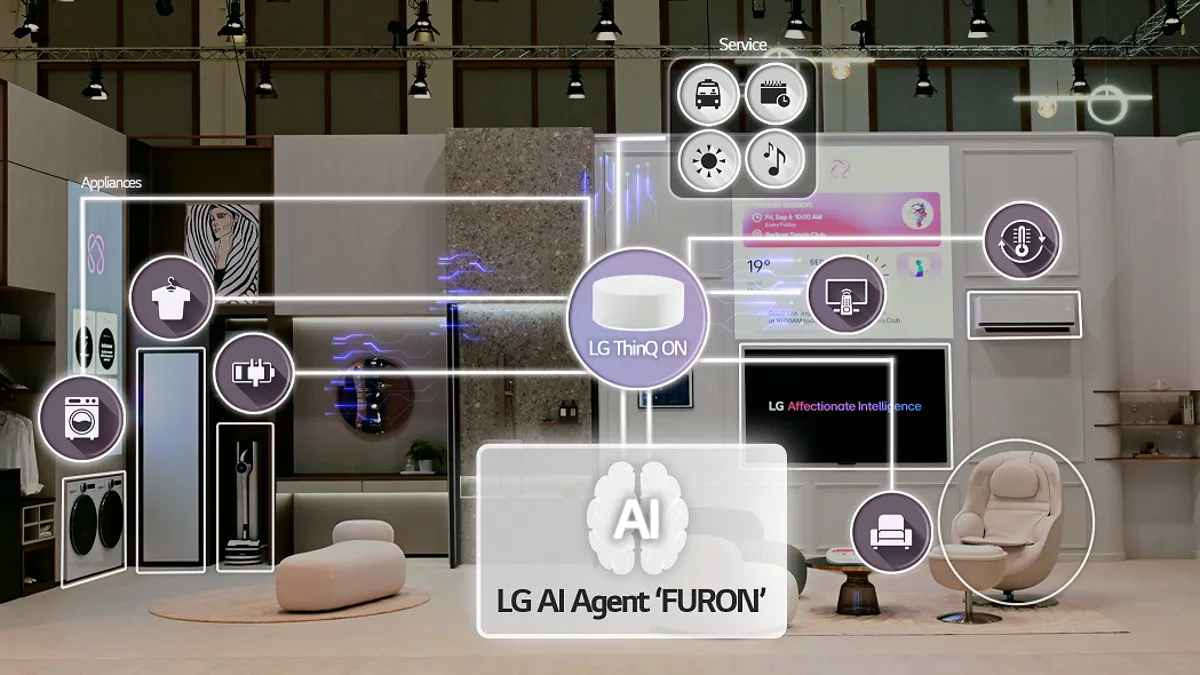
Beyond Gadgets: Building an Intelligent, Cost-Efficient Home
Modern home technology is no longer about novelty. It is about reducing costs, improving comfort, increasing security, and managing energy intelligently. Many homeowners and renters buy devices without a clear plan, then struggle with disconnected systems and rising subscription fees. A smart home works best when it is built in layers, starting with infrastructure and ending with decision-making tools that reduce long-term expenses, notes Stormo Property Management professionals.
This guide explains which technologies matter today, what is recommended for houses versus apartments, and where the financial return is real.
1. The Invisible Foundation: Connectivity and Integration
A modern home starts with reliable connectivity. Without strong networking, even the best smart devices fail.
High-speed internet is the base requirement. Fiber remains the most stable option where available. In areas without fiber, fixed wireless 5G home broadband provides strong performance, especially for apartments. For houses with thick walls or multiple floors, a mesh Wi-Fi system is often necessary. Unlike a single router, mesh networks distribute signal evenly through satellite nodes, eliminating dead zones.
Wi-Fi 6 and Wi-Fi 6E standards improve device capacity. Homes today can easily run 30 to 50 connected devices, including thermostats, cameras, appliances, and streaming systems. Older routers struggle under that load. Upgrading the router often solves reliability issues without replacing every device.
Wired connections still matter. Running Ethernet cables to key areas, such as offices, media rooms, or security hubs, improves stability, especially when using fire-rated cables like Cat6 plenum for safe in-wall installations. If you are renovating, structured wiring panels are worth installing. Even apartments benefit from at least one wired backbone point for stability.
Integration standards also matter. The new Matter protocol allows devices from different brands to communicate more smoothly. Choosing devices that support Matter reduces ecosystem lock-in. This avoids a situation where one smart plug works only with a specific voice assistant.
Before buying devices, assess infrastructure. A stable network saves more frustration than any individual gadget.
2. The Intelligence Layer: AI and Learning Systems
Smart homes today rely on machine learning, not just automation. Devices that learn patterns reduce manual adjustments and lower energy use.
Smart thermostats are among the most proven upgrades. These devices analyze occupancy patterns, outside temperature, and energy pricing. Over time, they adjust heating and cooling schedules without manual programming. Studies in the United States and Europe show average heating and cooling savings between 10 and 20 percent.
Adaptive lighting systems follow daily rhythms. They adjust brightness and color temperature throughout the day. Cooler light supports focus in the morning, while warmer tones help wind down at night. This feature is not just aesthetic. It supports sleep cycles and reduces energy waste.
Smart refrigerators now track usage patterns and alert users about maintenance issues. However, inventory tracking features often remain unreliable. For most households, maintenance alerts and temperature monitoring provide real value, while full food management features are less practical.
Local AI hubs are becoming more common. These systems process commands within the home instead of sending data to the cloud. That improves privacy and reduces latency. Cloud-based assistants remain convenient but introduce data storage concerns. Choosing between them depends on comfort with data sharing.
Predictive maintenance systems are gaining traction. Water heaters, HVAC systems, and washing machines can now detect anomalies in performance. Early alerts prevent expensive breakdowns. This is particularly valuable in rental properties where water damage or heating failure creates costly repairs.
Not all intelligence features are worth the price. Voice-controlled coffee makers rarely justify their cost. Focus on systems that reduce bills or prevent damage.
3. Automation That Saves Time and Reduces Waste
Automation becomes valuable when it replaces repeated daily actions.
Morning routines can activate gradually increasing lights, adjust temperature, and start water heating. Evening routines can lock doors, lower blinds, and reduce heating. These tasks may take only minutes manually, but automated consistency prevents waste.
Geofencing is especially useful. When all residents leave a home, the system automatically lowers heating or cooling. When someone returns, it restores comfort settings. This reduces unnecessary energy consumption without manual adjustments.
Smart blinds contribute to temperature regulation. In summer, blinds close automatically during peak sunlight hours. In winter, they open to allow passive solar heating. This reduces reliance on HVAC systems.
Leak detection systems protect both houses and apartments. Small wireless sensors placed under sinks or near washing machines detect moisture and send alerts. Advanced versions shut off the water supply automatically. Water damage remains one of the most expensive household repairs. A modest sensor investment prevents large claims.
Robot vacuum cleaners have matured significantly. Mapping technology allows zone cleaning and scheduled routines. For larger houses, they reduce weekly cleaning time by several hours. In smaller apartments, benefits depend on layout and furniture placement. Homes with minimal clutter see better results.
Smart irrigation systems are valuable for houses with gardens. They adjust watering schedules based on weather forecasts and soil moisture data. Water savings can reach 20 to 30 percent compared to fixed schedules.
Automation works best when it addresses repetitive actions or costly risks.
4. Energy Technology: Where Savings Become Significant
Energy systems provide the strongest financial return.
Solar panels remain one of the most visible upgrades. Installation costs vary by region, but prices have dropped substantially over the past decade. In many European countries and parts of the United States, residential solar systems reach payback within six to ten years. Combined with battery storage, solar allows greater independence from grid fluctuations.
Battery systems store excess solar energy for evening use. They also provide backup power during outages. Although battery systems add cost, they increase resilience and long-term savings in regions with unstable grids.
Heat pumps are replacing traditional gas boilers in many regions. Modern air-source heat pumps operate efficiently even in cold climates. They consume electricity but transfer heat rather than generate it directly, reducing energy consumption compared to resistance heating.
Smart energy monitors provide detailed breakdowns of electricity usage. Instead of receiving a monthly bill without context, homeowners see which appliances consume the most energy. This data encourages behavior changes and identifies inefficient equipment.
Time-of-use optimization is another key tool. In regions with variable pricing, energy costs fluctuate by hour. Smart systems schedule EV charging, water heating, and heavy appliance use during low-cost periods.
Electrochromic glass windows represent a newer technology. These windows change tint electronically, reducing heat gain without blinds. While currently expensive, they are becoming more accessible in premium builds.
Apartment dwellers have fewer options for structural upgrades. However, balcony solar panels are growing in popularity in parts of Europe. These small systems plug directly into outlets and offset part of daily electricity use.
Energy investments should be calculated carefully. Compare installation costs, government incentives, and projected savings. Focus on long-term reductions rather than short-term novelty.
5. Security and Privacy in Connected Homes
Security technologies have improved rapidly, but they introduce trade-offs.
Smart locks allow keyless entry through codes or smartphone apps. Temporary digital keys are convenient for guests or service providers. However, mechanical backup access remains important in case of battery failure.
Video doorbells provide remote visibility and two-way communication. Cloud storage subscriptions add ongoing costs. Some systems offer local storage options to avoid monthly fees.
AI-powered security cameras now distinguish between people, animals, and vehicles. This reduces false alerts. Advanced systems integrate with lighting and alarms automatically.
Cybersecurity is often overlooked. Each connected device represents a potential entry point. Strong passwords, two-factor authentication, and separate Wi-Fi networks for smart devices improve protection.
Data privacy concerns remain real. Always-on microphones and cloud processing systems collect data continuously. Users should review privacy policies and disable features that are not necessary.
Insurance companies increasingly offer discounts for monitored security systems. In some regions, professionally monitored alarms lower premiums by 5 to 15 percent. This partially offsets subscription costs. Security upgrades should balance convenience with realistic risk assessment.
6. What to Install Now, What to Delay, and Budget Planning
Decision-making requires clarity.
Install immediately: upgrade to mesh Wi-Fi, add a smart thermostat, install leak detection sensors, and use energy monitoring tools. These upgrades provide fast benefits with moderate investment.
Install when budget allows: solar panels, battery storage, smart blinds, and EV chargers. These systems require planning and larger upfront spending but deliver measurable long-term savings.
Delay or skip: internet-connected small appliances, smart mirrors, and highly specialized kitchen gadgets. A refrigerator with built-in streaming services rarely improves daily life. Technology embedded in furniture also has limited practical value. Even high-tech dining rooms with sensor-enabled restaurant tables demonstrate how novelty often outweighs function.
Budget planning matters. With €1,000, focus on networking and a thermostat. With €5,000, include leak detection, robot vacuum, and energy monitoring. With €20,000 or more, consider solar, battery storage, and HVAC upgrades.
Renters should prioritize portable systems: smart plugs, thermostats compatible with rental agreements, and removable security cameras. Homeowners can invest in structural upgrades.
Technology should serve long-term needs. Avoid impulse purchases based on marketing claims. Choose systems that reduce bills, prevent damage, or improve daily comfort consistently.
Final Perspective
Home technology continues to evolve rapidly. The strongest upgrades share three characteristics: they reduce recurring expenses, prevent expensive failures, or automate repetitive tasks reliably. Devices that only add novelty often become unused within months.
Building a smart home requires planning, not accumulation. Start with connectivity. Add intelligence that learns patterns. Automate routines that save time. Invest in energy systems that reduce bills. Secure the network and protect privacy. Then expand gradually.
When chosen carefully, modern technology transforms homes and apartments into efficient, manageable environments without unnecessary complexity.




Post Comment