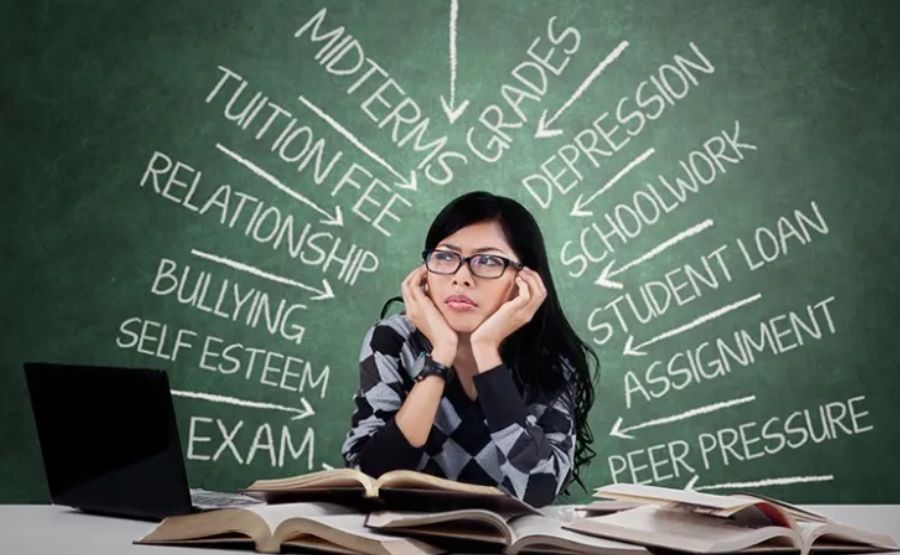
Challenges Students Face When Adapting to a New Education System
Moving to a new country for education is an exciting milestone. It opens doors to better opportunities, global exposure, and personal growth. However, one of the most underestimated aspects of this journey is adapting to a completely different education system.
Students often prepare for travel, accommodation, and finances, but the academic transition itself can be challenging. Understanding these challenges early can make the adjustment smoother and less stressful.
A Different Approach to Learning
One of the first things students notice is how different the teaching style can be.
In many countries, education is not focused on memorisation. Instead, it emphasises:
- critical thinking
- independent research
- active participation
Students are expected to question ideas, share opinions, and contribute to discussions. For those coming from structured systems, this shift can feel uncomfortable at first.
Over time, however, this approach helps students become more confident thinkers and better problem-solvers.
Language and Communication Barriers
Even if students are fluent in English or another language, academic communication can still be challenging.
Difficulties may include:
- understanding different accents
- following fast-paced lectures
- expressing ideas clearly in assignments
This can initially affect confidence and participation in class. Many students hesitate to ask questions or engage in discussions.
With practice and exposure, communication improves. But the early phase requires patience and consistent effort.
Managing Academic Independence
In many international education systems, students are given more freedom and more responsibility.
There is less direct supervision, and students are expected to:
- manage their own study schedules
- complete assignments independently
- meet deadlines without reminders
For some, this level of independence is overwhelming. Without proper time management, it can lead to stress and missed deadlines.
Learning to organise time effectively becomes an essential skill for success.
Assessment Methods Are Different
Another major challenge is adapting to new assessment styles.
Instead of relying on final exams, many institutions use:
- coursework and assignments
- presentations and group projects
- continuous assessments
Grades are often based on overall performance rather than a single test. This requires consistent effort throughout the semester.
Students who are not used to this system may struggle initially, especially when balancing multiple assignments at once.
Classroom Participation Expectations
In many countries, participation is a key part of academic performance.
Students are encouraged to:
- ask questions during lectures
- share their opinions
- engage in group discussions
For students who are used to more passive learning environments, this can feel intimidating. Speaking up in class may not come naturally.
However, regular participation helps build confidence and improves understanding of the subject.
Group Work and Collaboration
Group projects are common in international education systems. While they offer valuable learning experiences, they also come with challenges.
Students may face:
- differences in work styles
- communication gaps
- unequal contribution from team members
Working with people from different cultural and academic backgrounds requires flexibility and patience.
At the same time, it helps develop teamwork and collaboration skills that are highly valued in professional environments.
Cultural Differences in Education
Education is influenced by culture, and this can create unexpected challenges.
For example:
- The way students interact with teachers may differ
- expectations around punctuality and deadlines may vary
- Academic integrity rules can be stricter
Understanding these cultural differences is important for avoiding misunderstandings and adapting successfully.
Pressure to Perform
Adapting to a new system while maintaining good grades can be stressful. Students often feel pressure to prove themselves, especially when they are far from home.
This pressure can come from:
- personal expectations
- family expectations
- financial investment in education
Balancing academic performance with personal well-being becomes a key challenge.
Getting the Right Guidance
The transition to a new education system becomes much easier with the right support. Many students face difficulties simply because they are not fully prepared for what to expect.
This is where experienced study abroad consultants can make a difference. They help students understand academic expectations, choose the right programs, and prepare for the transition.
If you are planning your journey and want to avoid common challenges, you can click here to connect with professionals who can guide you step by step. The right guidance can save time, reduce stress, and set a strong foundation for success.
Growth Through Challenges
While these challenges may seem difficult at first, they are also opportunities for growth.
Students gradually:
- become more confident in their abilities
- develop strong academic and life skills
- adapt to different environments
The process of overcoming these challenges prepares them for future success in both education and career.
Final Thoughts
Adapting to a new education system is not easy, but it is one of the most rewarding parts of studying in a new country.
It pushes students out of their comfort zones and helps them grow in ways they never imagined. With the right mindset, preparation, and support, these challenges can be turned into valuable learning experiences.
In the end, it is not just about earning a degree. It is about becoming a more capable, confident, and globally aware individual ready to succeed in any environment.




Post Comment