
Civil Work vs Sitework Projects – Main Difference in Scope
In the construction industry, understanding the difference between civil work and sitework is essential for contractors, subcontractors, and material suppliers. These two terms are often used interchangeably, but they refer to different phases and tasks within a project. Knowing how they differ can help you make better decisions, prepare accurate bids, and manage resources more efficiently.
If you are a contractor bidding on public or private projects, or a material supplier trying to offer the right products at the right time, recognizing these distinctions can protect your profit margins and keep your workflow organized.
What is Civil Work?
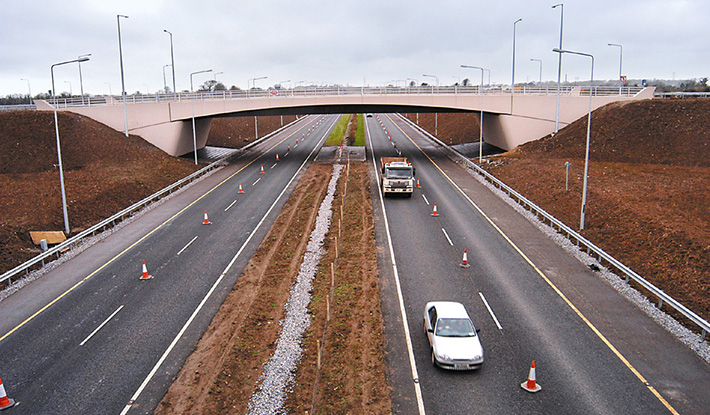
Civil work is a broad term that covers major construction tasks related to infrastructure and land development. It focuses on designing, building, and maintaining physical structures that support communities. Examples include roads, bridges, dams, water treatment plants, and large earthworks.
Projects involving civil work typically begin with planning and engineering. Before any physical labor starts, the project scope must be clearly defined. This can involve surveying, environmental studies, and regulatory approvals. Because of this planning requirement, many contractors use specialized tools like sitework estimating services to put together accurate cost estimates before bidding.
Civil work is often governed by federal, state, and local regulations. For example, a city road construction project must meet strict safety and environmental standards. This adds complexity to the scope and requires experienced personnel familiar with government contracts.
What is Sitework?
Sitework refers to the work done on a job site before the actual building construction begins. It is a subset of civil work but is more focused on preparing the land for construction. If civil work includes the entire infrastructure, sitework includes the initial tasks that make the site buildable.
Common sitework tasks include:
- Removing trees, brush, and debris
- Excavation and grading
- Installing utilities like water, sewer, and storm drains
- Building temporary roads or access points
- Soil compaction and stabilization
Sitework is often the first physical stage of a construction project. Before a foundation can be poured or a structure can rise, the ground must be prepared. This is why accurate planning services, such as sitework takeoff services, are frequently used by contractors and estimators to determine the quantities of material and labor required.
Differences in Scope: Civil Work vs Sitework
Although civil work and sitework overlap, key differences in scope matter when estimating costs and planning schedules.
1. Breadth of Work
Civil work covers a wide range of construction activities. It includes infrastructure that benefits entire communities, like bridges, major drainage systems, and municipal facilities.
Sitework is narrower in scope and primarily supports pre-construction preparation. Its purpose is to ready the land for upcoming building work. Without sitework, construction cannot proceed efficiently or safely.
2. Cost Estimation and Planning
When preparing bids, contractors often need separate estimating models for each. Civil work projects can have many unknowns — like ground conditions or regulatory hurdles — that affect the price. Sitework, while also variable, focuses on measurable earthmoving and preparation tasks.
This is where reliable sitework estimating services can be crucial. Accurate estimates help you decide how much material, labor, and equipment will be needed. They also help you avoid costly mistakes caused by underestimating soil volumes or utility work.
3. Timing in Project Schedule
Sitework typically happens at the beginning of a construction timeline. Contractors must clear and prepare the site before other trades arrive. On the other hand, civil work may span the entire length of a project or even take place before and after building construction. For example, public roadwork might continue around a new development long after the building is complete.
4. Skill and Equipment Requirements
Sitework contractors need machinery like bulldozers, excavators, and compactors. Work crews must understand soil types, drainage principles, and basic grading requirements.
Civil work might require specialized engineers, advanced surveying tools, and crews trained in utilities, bridges, or large infrastructure systems. Because the scope is broader, the skills needed are often more diverse.
Why Understanding the Difference Matters
For contractors and material suppliers, separating sitework from civil work is vital when preparing bids and ordering supplies. Suppliers especially need to know which phase of a project they are serving. Sitework often demands bulk materials like gravel, pipe, and asphalt base, while civil work may involve specialty products like structural steel, concrete barriers, or stormwater systems.
Contractors who misinterpret the scope risk:
- Underpricing bids
- Ordering wrong material quantities
- Delaying project schedules
- Losing profitability
Using both sitework estimating services helps reduce these risks. These tools give detailed measurements of excavation volumes, utility lengths, and grading areas, so your team can order the correct quantities and allocate labor efficiently.
Final Thoughts
Although civil work and sitework are related, they serve different purposes in the construction process.
- Civil work refers to large infrastructure and land development tasks.
- Sitework focuses on preparing the land for building and is usually an early phase.
Understanding these differences gives contractors and material suppliers an edge in project planning, estimating, and delivery. Investing time in accurate estimates and detailed takeoffs will save money and ensure smoother project execution.


Post Comment