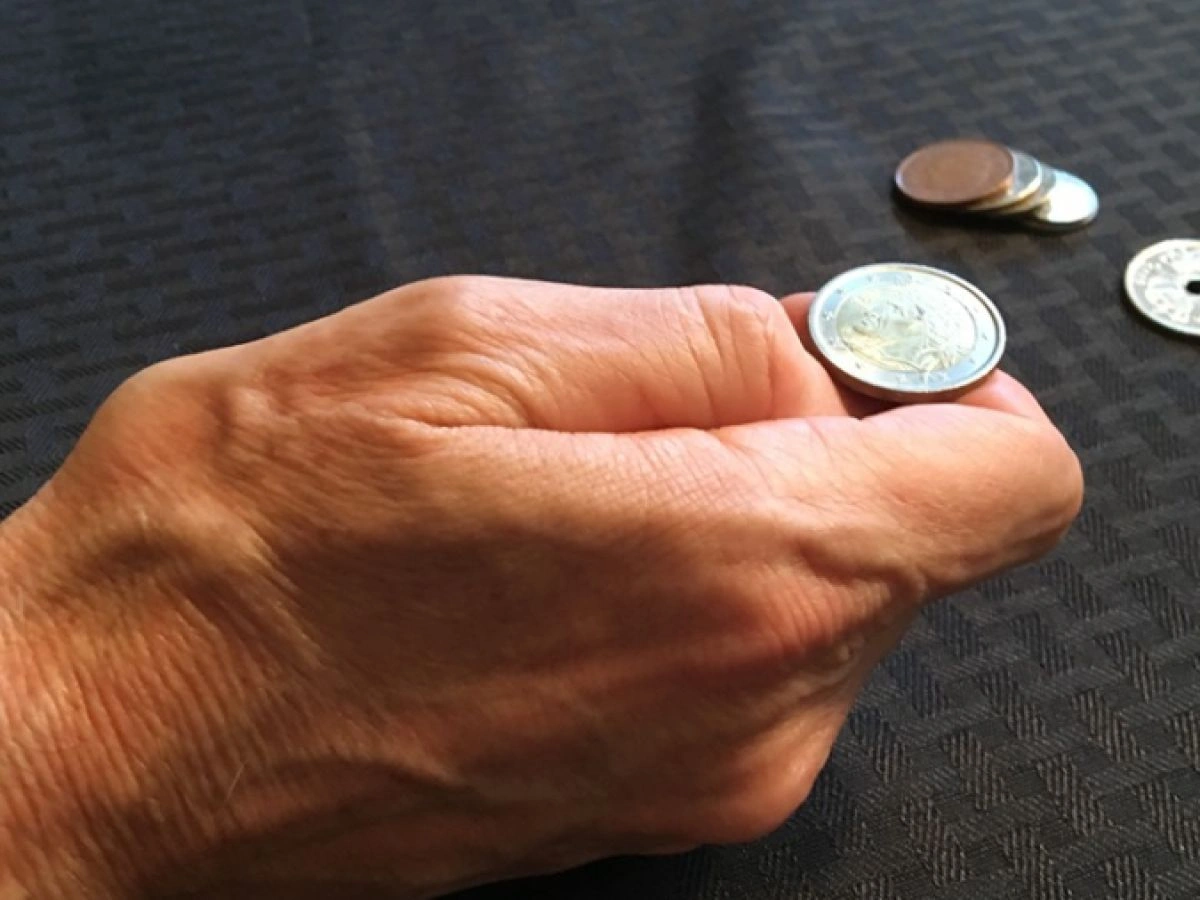
Coin Toss Online for Everyday Decision Making
When you’re stuck between two solid options—what to eat, which movie to watch, who goes first—your brain can turn a tiny choice into a time-consuming debate. A simple coin toss cuts through that mental noise, giving you a quick, neutral way to move forward.
If you don’t have spare change handy (or you’re deciding with friends remotely), using a coin flipper online is an easy workaround that still feels fair and transparent. In seconds, you get a clean heads-or-tails result without anyone “nudging” the outcome.
And while it may sound trivial, these micro-decisions add up. Having a dependable, everyday tie-breaker can save time, reduce friction, and keep small moments from turning into unnecessary stress.
Why a coin toss works so well for everyday decisions
A coin toss is effective because it’s fast, binary, and perceived as unbiased. You’re not asking the coin to make a “smart” choice—you’re using it to break a tie when both options are acceptable.
- Speed: No more overthinking a low-stakes decision.
- Fairness: Both sides have an equal chance.
- Clarity: One result, one next step—no debate.
- Emotional insight: Your gut reaction to the result often reveals what you actually wanted.
Best situations to use an online coin toss
Online coin flips are especially helpful when the decision involves multiple people, distance, or a lack of physical coins. Think of it as a quick “referee” that keeps things moving.
At home
These are the classic, everyday moments where a quick flip can save time.
- Choosing dinner: takeout vs. cooking
- Picking a weekend plan: hike vs. movie
- Deciding chores: dishes vs. laundry
With friends or groups
Group decisions can drag on. A coin toss keeps it light and avoids the “I don’t care, you pick” loop.
- Who drives first
- Which bar or restaurant to try
- Who gets first pick in a game
For remote decisions
If you’re on a call or text thread, an online flip offers a shared, easy tie-breaker without needing everyone in the same room.
How to use a coin toss to make better choices (not just faster ones)
A coin flip can do more than “decide.” It can help you notice what you truly prefer—especially when you feel a surge of relief or disappointment after the result.
- Define the two options clearly. Keep it truly 50/50 (Option A vs. Option B).
- Assign heads and tails. Say it out loud or write it in a message thread.
- Commit to honoring the result—mostly. For low-stakes choices, follow through.
- Check your reaction. If you feel unhappy, that’s useful data. You may have discovered your real preference.
- Use a “veto rule” when needed. If either option has hidden downsides, allow one veto per person before flipping again.
Common mistakes that make coin-toss decisions feel “off”
Most frustration comes from flipping when the choice isn’t truly balanced—or when people aren’t aligned on the rules. A little structure keeps it fair.
- Flipping too early: If one option is clearly better, decide directly.
- Too many options: Narrow to two finalists first, then flip.
- No agreement: Set the rules (and commitment level) before the result appears.
- Using it for high-stakes calls: Don’t coin-flip major financial, medical, or safety decisions.
FAQ
Q: Is an online coin toss actually random?
A: Most online coin flips rely on a random number generator to simulate a 50/50 outcome. For everyday decisions, that’s typically more than sufficient—what matters most is that everyone agrees the process is neutral.
Q: Can a coin toss help with anxiety from decision fatigue?
A: Yes. For low-stakes choices, a quick flip reduces the mental load of constantly evaluating minor tradeoffs, which can help you conserve energy for more important decisions.
Q: What if I don’t like the result?
A: Pay attention to that reaction. Disliking the outcome often reveals your preference, which can be a better guide than the flip itself.
Conclusion
A coin toss—especially when done online—can be a surprisingly practical tool for daily life. It keeps small decisions from stealing your time, lowers friction in groups, and can even spotlight what you truly want when you see the outcome.
Used the right way, it’s not about letting “chance” run your life—it’s about creating momentum. For everyday tie-breakers, a quick heads-or-tails habit can turn indecision into action and make routines feel noticeably simpler.



Post Comment