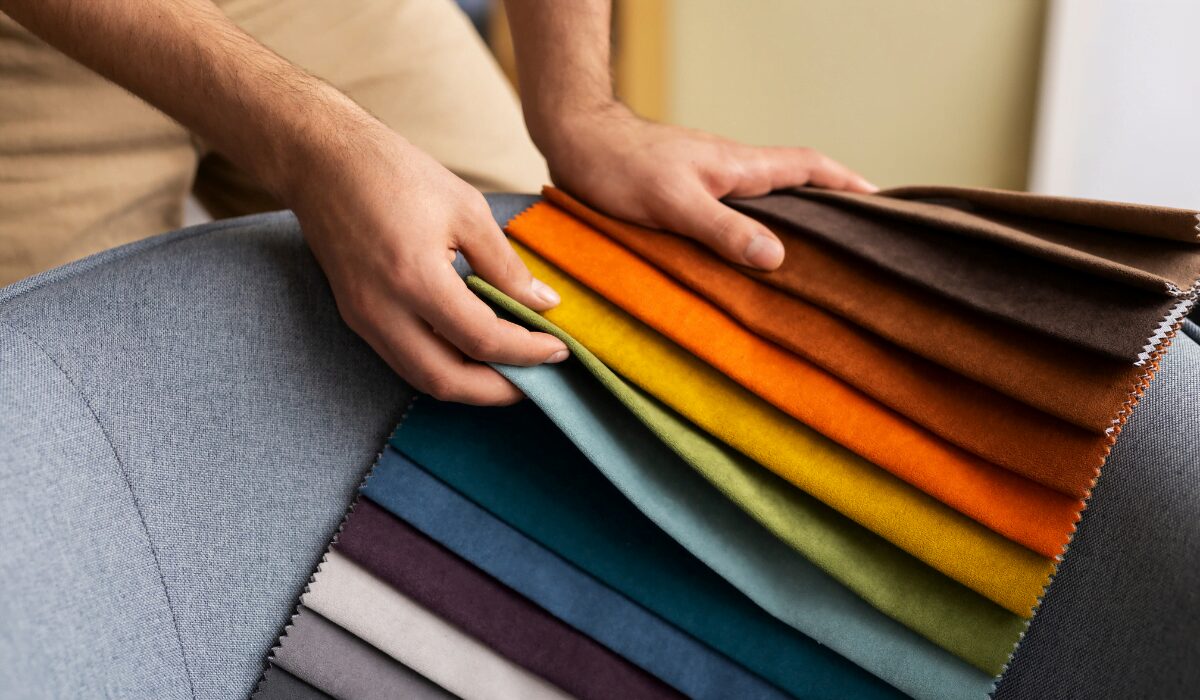
Finding a Reliable Wholesale Fabric Supplier in the US: Practical Tips for Apparel Brands
Launching or scaling an apparel brand in the United States inevitably comes down to one question: where do you get your materials? Selecting the wrong supply partner is one of the most common and expensive mistakes in the industry. Shipping delays, inconsistent quality, and difficult payment terms are real consequences for brands that rush the selection process. This article provides a practical guide to identifying and vetting a wholesale fabric supplier for the American market.
Start with Industry Trade Shows and Events
One of the most effective ways to find a dependable vendor is by attending textile trade shows. Major industry events are held annually across the US, bringing together vendors, manufacturers, and brands. These events offer a chance to meet teams in person, feel material samples, and ask direct questions about business terms.
Exhibitions also allow you to compare multiple vendors in a short window, building a shortlist for further negotiation. Pay attention to how representatives answer your questions; this reveals a lot about their service culture. Confident, specific answers to technical questions indicate true expertise. Vague responses or immediate redirects to a catalog are red flags.
Professional Communities and Referrals
Never underestimate the power of word-of-mouth. Industry forums, LinkedIn professional groups, and private communities of apparel manufacturers are valuable sources of real-world feedback. Business peers will often be honest about the challenges they faced and which vendors they trust with their production.
Look for mentions of specific companies regarding delivery reliability, fabric quality, and customer support. A single review might be an outlier, but dozens of positive mentions across different sources represent a track record. Reviews from brands similar to yours in scale and niche are particularly relevant.
Critical Checks for the First Contact
When you reach out to a potential partner, ask these key questions:
● How many years has the company been in business? Suppliers with 30 to 40+ years of history operate with a different level of accountability than newcomers. They have refined processes, established mill relationships, and a reputation to protect.
● Is there a US-based warehouse? This is a deal-breaker. A supplier with a domestic warehouse can guarantee delivery within 2 to 7 days. This is critical for urgent orders and seasonal collections where a small delay can ruin a launch.
● What are the minimum order quantities (MOQs)? Emerging brands need the flexibility to start with small batches and test samples. A reliable vendor usually accommodates different volumes and does not set barriers to entry that are impossible to overcome.
● How are defects handled? Many forget to ask this until an incident occurs. A transparent return and compensation policy is the sign of a mature company.
Specialists vs. Generalists
The market contains two types of vendors: general warehouses that sell everything and specialized companies with deep expertise in a specific niche. If you produce activewear, swimwear, or dance costumes, you need a specialized operator like Pine Crest Fabrics – someone who understands stretch materials on a deep technical level.
A specialist knows the difference between a fabric with 50% stretch and 80% stretch. They know which material survives pool chlorine and which will degrade. This knowledge is worth more than a low price per yard. Using the wrong technical fabric can lead to mass customer returns, which is far more expensive than any initial savings on raw materials.
Certifications and Eco-Standards
Modern American consumers increasingly choose brands with transparent supply chains. Your vendor must meet your quality requirements and comply with environmental standards.
Ask if the supplier stocks recycled nylon or polyester. Inquire about which certifications verify the eco-friendly nature of the materials. A reliable company will provide the necessary documentation without hesitation. If you cannot get a straight answer, the certifications likely do not exist.
Customization Opportunities
If your brand relies on a unique visual identity, check if the vendor offers custom printing services. Access to a large library of existing prints is a good start for rapid launches. However, the ability to put your own design on the fabric is the next level of visual exclusivity.
Some vendors offer a full development cycle, from fiber composition to final technical testing. This is the level of collaboration where a partnership evolves from a mere wholesale fabric supplier into a strategic ally.
The Service Quality Test
Before signing a long-term contract, run a practical test. Order samples and evaluate:
1. How quickly they were shipped and received.
2. If the quality matches the catalog description.
3. How effectively the managers handle technical inquiries.
4. How the company reacts to a defect or an order error.
These details cannot be verified over the phone; they require a real transaction. For most honest suppliers, a trial order simply confirms their high standards.
Logistics and International Shipping
Even if you focus on the US market, clarify international shipping capabilities. As your business grows, you may start exporting or working with overseas partners. Having a vendor with established international logistics simplifies this transition.
Also, ask about their “crisis” protocols. What happens if a specific material runs out? Does the supplier have a backup plan or alternative manufacturing partners? Their answer will tell you everything about their long-term resilience.
Final Takeaway
Finding a reliable wholesale spandex fabrics wholesaler or a general textile partner in the US takes time and attention to detail. Do not rush into an agreement based solely on the lowest price. Visit shows, talk to peers, ask the right questions, and always start with a trial order. Investing in a partner with experience, deep inventory, and technical expertise will serve your business for years to come.



Post Comment