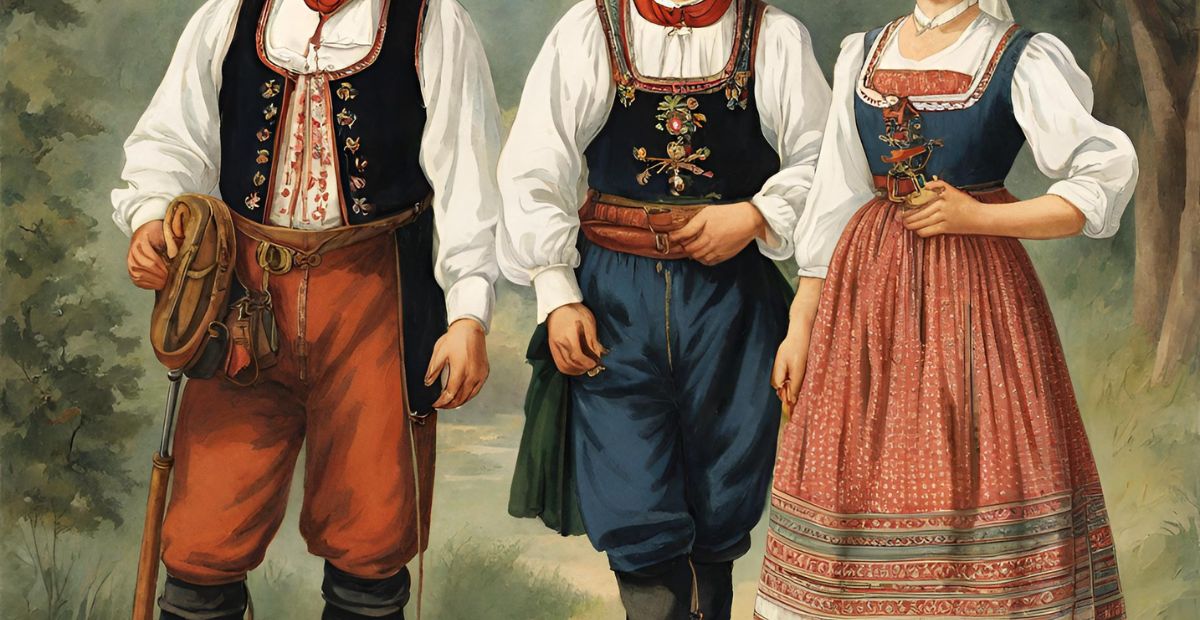
Folklore and Fashion A German Cultural Evening
Festivals around the world often reflect the culture and history of the communities that celebrate them. In Germany, especially in the Bavarian region, festivals are closely connected to traditional clothing that carries deep cultural meaning. Among the most recognizable pieces of attire are lederhosen and the traditional German outfit, garments that have become powerful symbols of German heritage and identity. These outfits are not merely worn for style; they represent centuries of craftsmanship, regional pride, and cultural tradition. German festivals such as Oktoberfest, folk celebrations, harvest festivals, and local cultural gatherings bring people together through music, food, dance, and traditional clothing. Visitors attending these events often notice that wearing traditional attire enhances the experience. The clothing transforms the atmosphere of the festival, creating a living representation of history and tradition. Understanding the story behind these garments reveals why they remain an essential part of German celebrations today.
The Historical Roots of Lederhosen
The story of lederhosen begins in the Alpine regions of Bavaria and Austria during the 18th century. The word itself translates to “leather trousers,” which perfectly describes the material and design of the garment. Originally, lederhosen were practical workwear worn by farmers, hunters, and laborers who needed durable clothing for outdoor tasks. Leather was chosen because of its strength and flexibility. Workers in mountainous regions required clothing that could withstand harsh weather conditions and physical labor. Unlike many fabrics, leather could resist damage and last for many years. As a result, lederhosen became a reliable choice for rural communities across southern Germany. Traditional lederhosen are usually designed as knee-length or short leather trousers supported by suspenders. These suspenders often include a decorative chest panel that features embroidered patterns. The embroidery typically reflects regional symbols such as oak leaves, deer, or alpine flowers. These artistic details transform simple leather garments into pieces of cultural craftsmanship. During the early years, lederhosen were mostly worn by the working class. Farmers and laborers valued them for their practicality rather than their appearance. However, by the 19th century, members of the Bavarian aristocracy began adopting the style for outdoor leisure activities like hunting and horseback riding. This helped increase the popularity of lederhosen beyond rural communities.
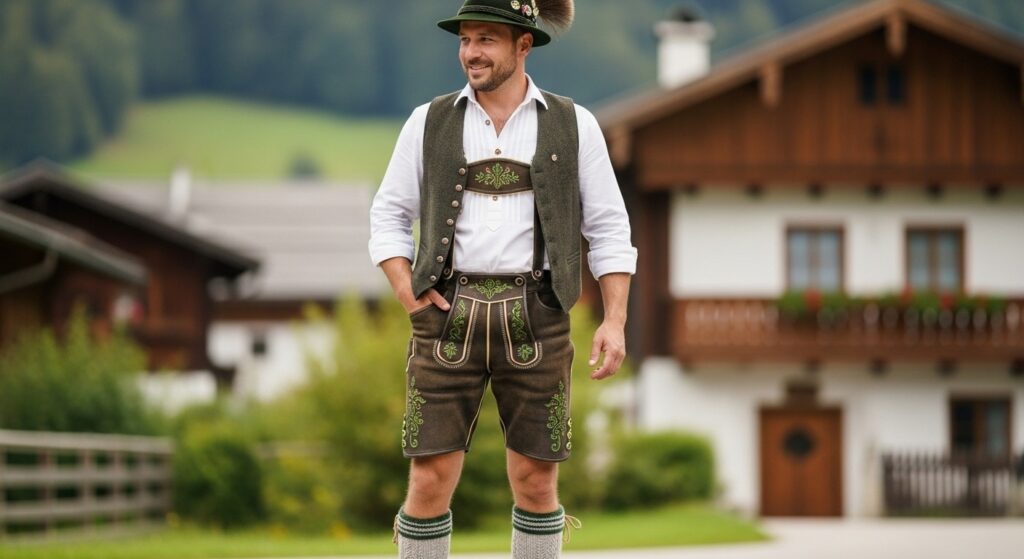
Over time, lederhosen evolved from work clothing into a cultural symbol. As modern fashion trends began to replace traditional garments, cultural organizations in Bavaria worked to preserve regional attire. These groups promoted traditional clothing at festivals and community events, ensuring that lederhosen remained a visible part of Bavarian culture.
Lederhosen in Modern German Festivals
Today, lederhosen are widely associated with German festivals, particularly Oktoberfest, the world-famous celebration held annually in Munich. Millions of people attend Oktoberfest every year, and many of them wear traditional clothing to participate fully in the cultural experience.
Men attending festivals often wear lederhosen paired with checkered shirts, wool socks, and traditional Bavarian shoes. Some also wear alpine hats decorated with feathers or small pins representing regional traditions. These elements combine to create a complete traditional outfit that reflects Bavarian heritage. Wearing lederhosen during festivals serves several purposes. First, it honors cultural traditions that have been preserved for generations. Second, it helps create a festive atmosphere that connects participants with the history of the celebration. When thousands of people gather wearing traditional clothing, the festival becomes a vibrant display of culture and identity. Traditional music and dance performances also highlight the importance of lederhosen. Folk dances such as the Schuhplattler are often performed by dancers wearing these leather trousers. The rhythmic clapping, stomping, and energetic movements create a lively performance that celebrates Bavarian tradition. Many visitors from around the world choose to wear lederhosen when attending German festivals. This allows them to feel more connected to the cultural environment and participate in the tradition rather than simply observing it. As a result, lederhosen have become an international symbol of German festivity.
The Meaning of a Traditional German Outfit
While lederhosen are one of the most recognizable garments, they are only one part of a broader traditional german outfit known as Tracht. Tracht refers to the traditional clothing worn in various regions of Germany, particularly in Bavaria and Austria. These outfits vary depending on local customs, but they all share a strong connection to cultural identity. For men, a traditional German outfit typically includes lederhosen or sometimes wool trousers, along with a checkered or white shirt, suspenders, and knee-high socks. Jackets made from wool or loden fabric are often worn during cooler weather. The overall look combines practicality with regional style, reflecting the rural origins of the clothing.
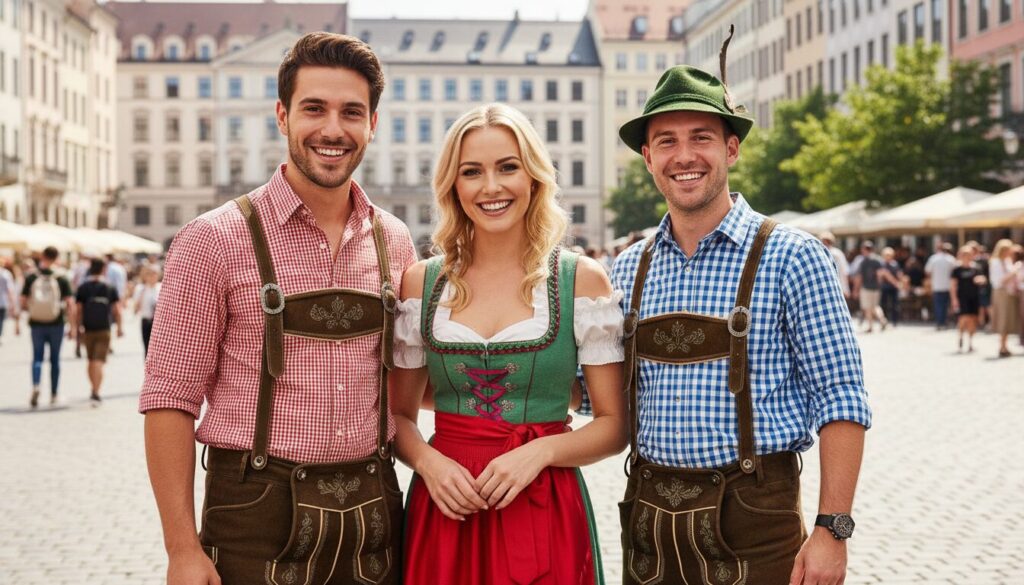
For women, the most famous traditional German outfit is the dirndl. This dress includes a blouse, fitted bodice, full skirt, and decorative apron. Like lederhosen, the dirndl began as workwear for rural communities before evolving into festive attire. Today, it is widely worn during festivals and cultural events across Germany and Austria. Traditional outfits are often decorated with embroidery, lace, and regional patterns that represent local heritage. These decorative details vary from region to region, making each outfit unique. Families sometimes pass traditional garments down through generations, preserving both craftsmanship and cultural identity. In many German communities, wearing a traditional outfit during festivals is a sign of pride and respect for heritage. Even younger generations continue to embrace these garments, demonstrating that traditional clothing remains relevant in modern society.
The Role of Traditional Clothing in German Festival Culture
Traditional clothing plays a powerful role in shaping the atmosphere of German festivals. When people attend events wearing lederhosen or a traditional german outfit, they help recreate the cultural environment that has existed for centuries. The clothing visually connects the present with the past, reminding participants of the traditions that define their heritage. Festivals such as Oktoberfest, Maifest, and regional harvest celebrations often feature parades, folk music, and cultural performances. Traditional clothing enhances these activities by reinforcing the historical theme of the events. Musicians, dancers, and festival participants all contribute to a shared cultural experience that feels authentic and meaningful. The popularity of German festivals has also helped spread these traditions internationally. Cities around the world now host their own Oktoberfest celebrations, attracting thousands of participants each year. Many attendees wear lederhosen or dirndls to recreate the Bavarian festival atmosphere. As interest in traditional clothing grows, many brands have begun producing authentic festival attire inspired by historical designs. Companies such as Elederhosen focus on creating garments that reflect traditional Bavarian craftsmanship while remaining accessible to modern festival-goers who want to embrace cultural traditions.
Traditional German Outfits in Modern Fashion
Although traditional garments are strongly associated with festivals, they have also influenced modern fashion. Designers sometimes incorporate elements of traditional German clothing into contemporary styles. Embroidery, structured bodices, and rustic fabrics inspired by Tracht fashion occasionally appear in modern collections.
In Bavaria, traditional outfits are not limited to festivals alone. Many people wear them at weddings, cultural celebrations, and community gatherings. Some regions even maintain specific dress codes for traditional events, ensuring that these garments remain an active part of cultural life. The adaptability of traditional clothing has helped preserve its popularity. Modern versions of lederhosen and dirndls may include updated fabrics, colors, or designs while still maintaining the essential elements of the original garments. This balance between tradition and innovation allows these outfits to remain relevant in contemporary society.
Cultural Significance and Global Recognition
The global recognition of lederhosen and the traditional german outfit highlights the power of cultural symbols. These garments represent more than clothing; they reflect a shared heritage that connects people to their history and community. Visitors attending German festivals often discover that wearing traditional attire adds depth to the cultural experience. Instead of simply watching performances or tasting local food, participants become part of the tradition itself. This sense of participation helps create lasting memories and a deeper appreciation for German culture. International celebrations inspired by Oktoberfest have introduced millions of people to Bavarian traditions. From North America to Asia, festival organizers recreate elements of German culture, including traditional music, cuisine, and clothing. Lederhosen and dirndls remain central to these celebrations, symbolizing the joyful spirit of German festivals.
Conclusion
Festival traditions in Germany are deeply connected to cultural identity, and clothing plays a major role in preserving this heritage. Lederhosen have evolved from practical workwear into iconic festival attire that represents Bavarian pride and craftsmanship. At the same time, the broader traditional german outfit reflects centuries of regional customs and artistic design. These garments continue to bring people together during festivals, cultural events, and celebrations around the world. By wearing traditional clothing, participants honor the history and traditions that define German culture. Whether at Oktoberfest in Munich or at international festival celebrations, lederhosen and traditional outfits remain powerful symbols of heritage, unity, and festivity.


Post Comment