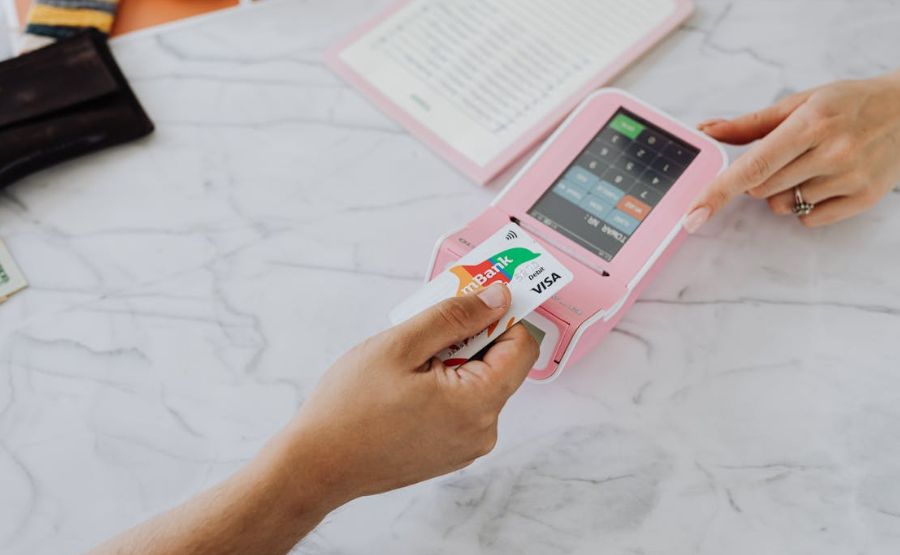
How Modern Banking Fits Into Everyday Business Operations
Have you ever tried running a business with outdated tools? Like using a fax machine while everyone else is emailing or managing receipts in a shoebox? Modern banking is one of those tools that has quietly become the backbone of day-to-day business. It’s not flashy, but without it, companies would fall apart faster than a budget spreadsheet in tax season.
Let’s look at how modern banking weaves itself into the fabric of business life — and why even the smallest updates can shift how we work.
Banking in the Age of Instant Everything
Business doesn’t move at a 9-to-5 pace anymore, and banks know it. Today’s entrepreneurs operate in real-time, juggling invoices, supply orders, and payrolls from their phones in line at the grocery store. In this fast-moving environment, banking had to evolve. It’s not just about storing money safely anymore. It’s about helping businesses move money, track expenses, and stay nimble — instantly.
Apps and online portals give small business owners access to what used to require in-person appointments or hour-long calls. Need to double-check if a payment cleared before approving a shipment? It’s a two-second task. Technology has made banking less about transactions and more about flow — cash flow, workflow, and the flow of information. This level of speed, control, and access was once reserved for corporations with accounting departments. Now, it’s built into your pocket.
The Practical Push for Smarter Tools
Time is money. That isn’t just a cliché — it’s a daily calculation for most businesses. When you’re trying to cut waste and increase efficiency, switching from manual tasks to automated tools can be the difference between growing and just getting by.
Banking is part of that shift. You don’t need to sit at a bank to open a business account anymore. In fact, you can open a checking account online with a few clicks, often without needing to visit a branch at all. This isn’t just convenient — it reflects a larger trend in how businesses reduce friction in operations. The less time you spend on paperwork, the more time you have to focus on marketing, inventory, or customer service.
This also opens doors for people who may have once found traditional banking difficult to access. Whether you’re running a freelance design studio from your kitchen or a food truck that changes cities every week, banking has evolved to fit into your work — not the other way around.
Streamlined Payments Make Partnerships Easier
No one likes waiting for checks to clear. Payment delays used to create massive bottlenecks between vendors, clients, and contractors. But with modern banking tools, money can be transferred almost instantly. ACH transfers, peer-to-peer payments, and even built-in invoicing tools mean less chasing and more doing.
This matters beyond convenience. Faster payments help maintain trust, especially with newer clients or partners. If you pay your contractor within minutes of getting the job done, you become a business people want to work with. Reliability, thanks to seamless financial systems, becomes part of your brand.
Security Measures That Actually Work in the Background
Cybersecurity isn’t just an IT concern. A single data breach or fraudulent transaction can sideline a business overnight. The good news is, modern banks have quietly become guardians. Two-factor authentication, biometric logins, real-time fraud alerts, and end-to-end encryption are now standard, not optional.
Even better? Most of this happens behind the scenes. You don’t have to be a tech expert to benefit. If someone tries to log in to your account from another country, you get an alert. If a large transfer is flagged as suspicious, it’s paused automatically. It’s a rare example of technology doing its job without screaming for your attention.
Integration with Business Tools Saves Time
Modern banking doesn’t operate in a vacuum anymore. The smartest banks now integrate directly with bookkeeping platforms like QuickBooks, payroll services like Gusto, and inventory systems. These connections mean fewer spreadsheets and no double entries.
When a sale goes through your e-commerce site, that income is automatically reflected in your bank records and accounting software. You’re not just saving time — you’re reducing human error. That matters a lot when your tax deadline is looming or you’re trying to prepare for an investor meeting without embarrassing surprises.
Remote Work Demands Remote Banking
The rise of remote work has reshaped how businesses are structured. It’s not just employees working from home — it’s entire operations running virtually. Whether your team is spread across cities or countries, the need for accessible, mobile-first banking is clear.
You might have employees logging hours in New York and suppliers in Oregon. Managing finances across those time zones — with no physical office — requires platforms that function without in-person visits. This isn’t about replacing human interaction, but making sure it isn’t required just to send a payment or verify account activity.
A Broader Shift in Financial Culture
Perhaps the most underrated change modern banking has brought to business is a shift in mindset. It’s no longer seen as a stiff, institutional process. It’s flexible, responsive, and — dare we say — user-friendly. This reflects a broader trend in society: people want services that fit their lives, not the other way around.
Just look at how many businesses now opt for digital-first banks or fintech services over traditional banking giants. They’re choosing platforms that understand their pace, their values, and their need for adaptability. In a world where business can happen over Slack or Zoom, it makes sense that banking has to match that fluidity. Anything less feels like a relic from another era.
Businesses today aren’t just balancing books — they’re balancing expectations, speed, and adaptability. Modern banking fits into that puzzle not as a separate tool but as the infrastructure that lets everything else work smoothly. The best part? When done right, you hardly notice it’s there at all. And that might just be the point.



Post Comment