How Proper Hydration Improves Student Focus and Academic Performance
Students face mounting academic pressures in Pakistan’s competitive educational landscape. From grueling board exam preparations to university entrance competitions, maintaining peak cognitive performance becomes essential. While students focus on study techniques and time management, many overlook a simpler factor that significantly impacts learning capacity: proper hydration throughout study sessions.
The Brain-Water Connection in Learning
The human brain consists of approximately 75% water, making it particularly sensitive to hydration status. Even mild dehydration of 1-2% body weight impairs cognitive functions critical for academic success. Research published in nutritional neuroscience journals demonstrates that dehydrated students perform worse on tasks requiring attention, memory, and critical thinking.
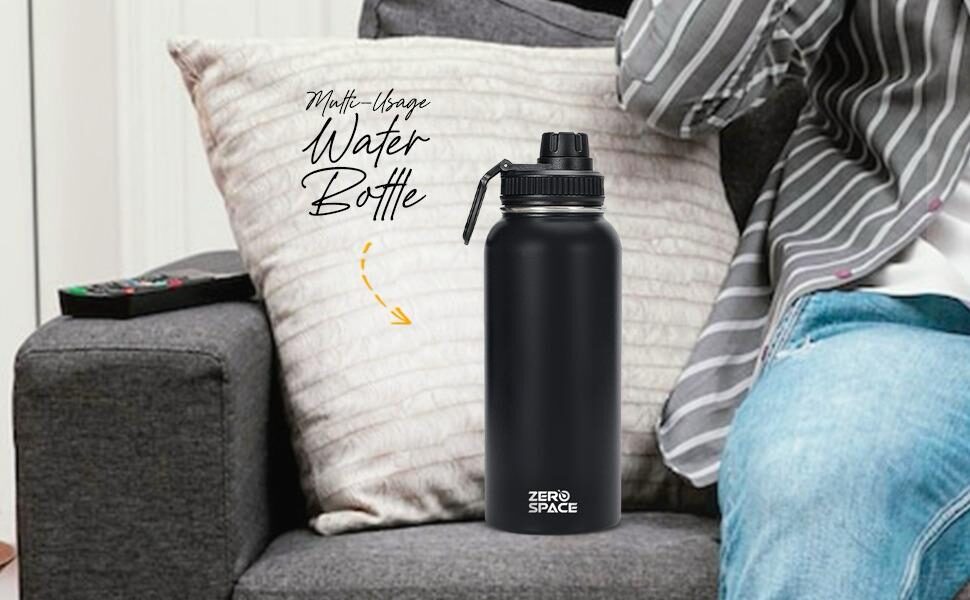
Students spending hours in libraries or study rooms often forget to drink water regularly. Having a reliable stainless steel water bottle on the desk serves as both a visual reminder and a convenient access point. During exam seasons when stress runs high and study sessions extend late into the night, maintaining hydration becomes even more crucial as the body’s stress response increases fluid requirements.
Hydration and Memory Formation
Memory consolidation—the process of transferring information from short-term to long-term memory—requires optimal brain function. Dehydration disrupts this process, meaning students may struggle to retain information even after hours of studying.
Pakistani students preparing for competitive exams often study 8-12 hours daily. Without systematic hydration, cognitive performance degrades progressively throughout these marathon sessions. The afternoon slump that many attribute solely to post-lunch tiredness often stems partially from accumulated morning dehydration.
Campus Hydration Challenges
University and college campuses present unique hydration obstacles. Water fountains may be scarce, unhygienic, or provide unpleasantly warm water. Students rushing between classes rarely have time for extended water breaks. Cafeteria bottled water purchases add up financially over semesters.
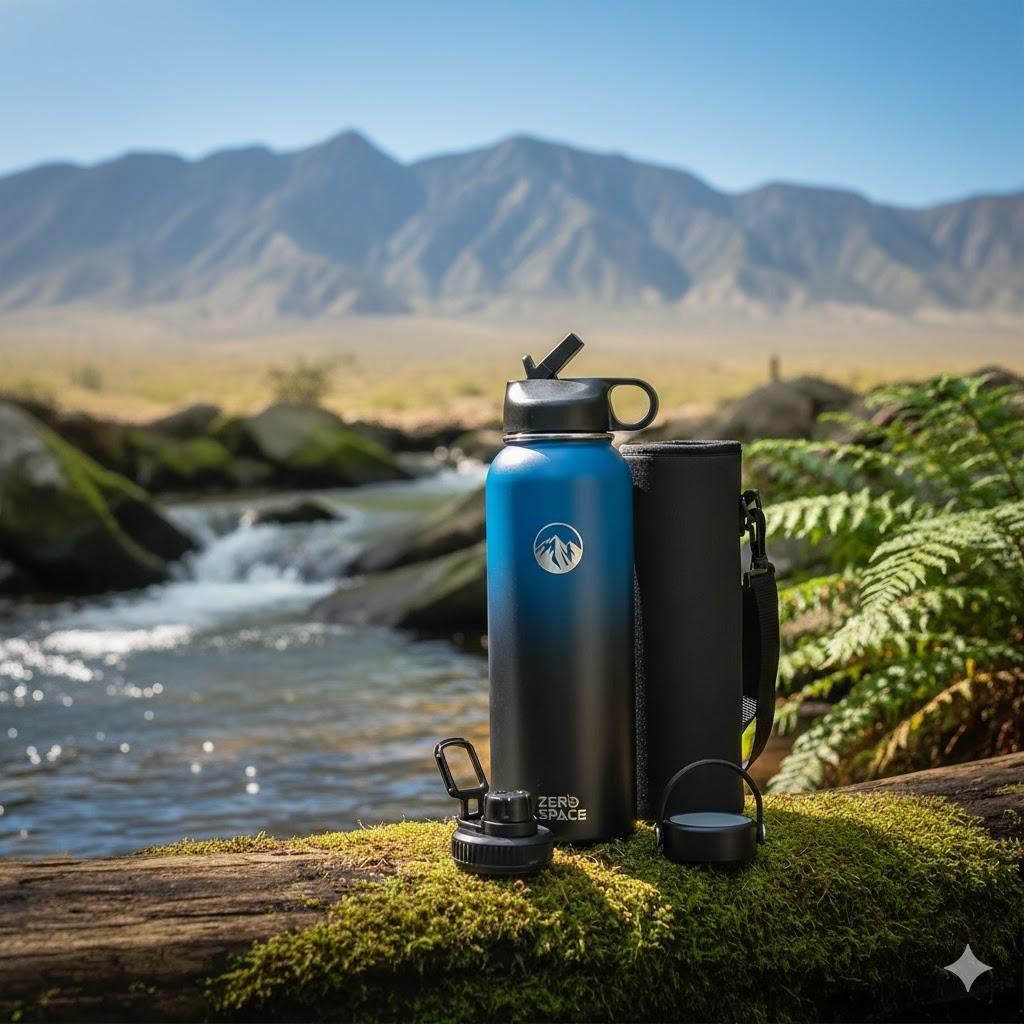
Carrying personal water bottles solves these problems while supporting sustainability initiatives that many campuses now promote. Students who maintain consistent hydration report better concentration during lectures and improved energy levels throughout the day.
Exam Performance and Hydration
Test-taking creates additional hydration demands through stress and mental exertion. Studies examining exam performance consistently find that well-hydrated students outperform their dehydrated peers, even when controlling for preparation levels.
Some educational institutions now explicitly encourage students to bring water bottles into examination halls, recognizing hydration’s impact on performance. Clear, non-labeled bottles allow students to stay hydrated during 3-hour exams without raising concerns about concealed materials.
Study Group Dynamics
Collaborative study sessions benefit from structured break patterns that include hydration reminders. Groups that implement 25-50 minute study blocks followed by brief breaks for water and movement maintain better collective focus than those pushing through without pauses.
These breaks also provide social bonding opportunities, making study groups more enjoyable and sustainable over long preparation periods. Shared hydration habits create accountability—when group members remind each other to drink water, everyone benefits.
Budget-Conscious Hydration Solutions
Students operate on tight budgets, making expensive daily bottled water purchases unsustainable. A quality reusable bottle represents a one-time investment that eliminates ongoing costs. Over a four-year university degree, students save thousands of rupees by switching from disposable bottles.
Temperature-maintaining bottles prove particularly valuable in Pakistan’s climate. Insulated water bottles keep water cold throughout long class days, encouraging consistent intake even during hot afternoon sessions.
Dormitory and Hostel Living
Students in residential facilities face different hydration challenges than those living at home. Shared kitchens and limited refrigerator space make accessing cold water difficult. Room temperatures in hostels often lack adequate cooling, increasing fluid requirements.
Personal insulated bottles provide independence from shared infrastructure while ensuring access to cold water regardless of hostel conditions. This becomes particularly important during the summer months when hostel temperatures can become uncomfortable.
Creating Sustainable Academic Habits
Hydration habits established during student years often persist throughout professional life. Students who develop consistent water intake patterns set themselves up for lifelong cognitive and physical health benefits. Universities increasingly recognize this connection, integrating wellness education into orientation programs.
Practical Implementation for Students
Students should aim for 250ml of water every hour during study sessions. Setting phone reminders or using apps that track water intake helps build consistency. Positioning water bottles within easy reach eliminates the friction that causes passive dehydration during focused work.
Conclusion
Academic success depends on numerous factors, but proper hydration provides one of the simplest yet most impactful advantages students can give themselves. From improved memory formation to sustained focus during long study sessions, adequate water intake supports every aspect of learning and academic performance.



Post Comment