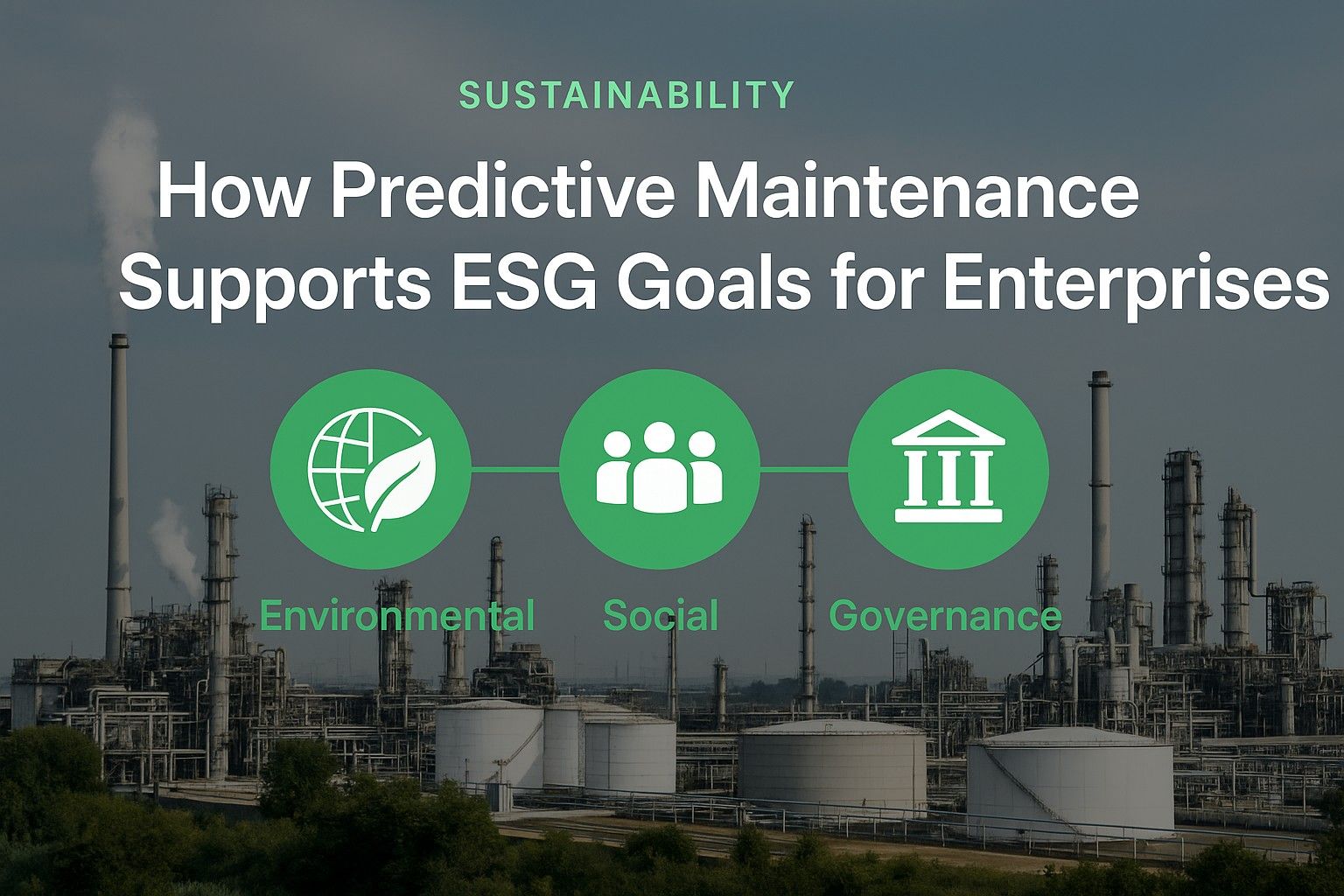
How Tank Inspection Companies Help Facilities Meet ESG & Sustainability Goals
Let’s be honest — a few years ago, “ESG” felt like one of those corporate phrases that lived in annual reports and investor slide decks. Now? It’s everywhere. Boardrooms. Procurement meetings. Even job interviews.
Environmental, Social, and Governance (ESG) goals are no longer optional. And for facilities that operate storage tanks — whether for petroleum, chemicals, water, or industrial liquids — those goals get very real, very fast.
Because tanks can leak. They can corrode. They can fail quietly.
And when they do, the environmental and financial consequences are anything but quiet.
This is where modern tank inspection services companies step in — not just as compliance vendors, but as strategic partners in sustainability and risk reduction.
The “E” in ESG: Environmental Protection Starts With Prevention
Spills and emissions rarely happen overnight. Most of the time, they’re the result of gradual corrosion, unnoticed cracks, seal failures, or thinning tank walls.
Proactive inspection catches these early.
When inspectors use advanced non-destructive testing (NDT), ultrasonic thickness measurements, and robotic crawlers, they’re essentially giving facilities a health report on their assets. It’s preventive medicine for infrastructure.
And prevention matters.
A single tank leak can contaminate soil, groundwater, or nearby waterways. Cleanup costs can soar. Reputational damage? Even worse. Stakeholders today expect transparency and environmental responsibility. One preventable incident can undo years of sustainability messaging.
By scheduling routine internal and external inspections, facilities significantly reduce the risk of environmental contamination. That directly supports measurable ESG metrics like spill reduction, emissions control, and resource protection.
It’s not glamorous work. But it’s impactful.
Lower Emissions Through Smarter Asset Management
We don’t always associate storage tanks with emissions, but we should.
Floating roof tanks, fixed roof tanks, and pressure vessels can all contribute to volatile organic compound (VOC) emissions if seals degrade or structural integrity weakens. Small gaps become big problems.
Inspection teams evaluate roof seals, vents, pressure relief systems, and structural components. Identifying issues early reduces fugitive emissions — something regulators and ESG auditors pay close attention to.
There’s also an energy efficiency angle.
A compromised tank can require more frequent pumping, reprocessing, or product replacement. That’s wasted energy. Proper maintenance extends asset life and improves operational efficiency — which lowers carbon intensity over time.
It’s a domino effect. One good inspection can prevent a chain reaction of inefficiencies.
The “S” in ESG: Safety and Community Impact
Tank integrity isn’t just an environmental issue. It’s a safety issue.
Communities surrounding industrial facilities are increasingly aware — and vocal — about environmental risks. Companies that demonstrate strong inspection and maintenance programs show they take community safety seriously.
Regular water storage tank inspection companies reduce the likelihood of catastrophic failures that could lead to fires, explosions, or inspection companies hazardous releases. That protects employees, emergency responders, and neighboring residents.
From a social responsibility standpoint, that’s huge.
And internally? Employees feel more secure working for an organization that invests in safety infrastructure. ESG isn’t only external reporting — it’s internal culture too.
Governance: Documentation, Compliance, and Transparency
Here’s where inspection companies really shine in the ESG framework.
Modern inspections aren’t just visual walkthroughs with clipboards. They generate detailed reports, digital records, corrosion rate calculations, and predictive maintenance forecasts.
That documentation supports governance in three critical ways:
- Regulatory compliance – Meeting standards and avoiding penalties.
- Audit readiness – Having traceable, organized records for ESG reporting.
- Risk management – Demonstrating due diligence to insurers and investors.
Investors increasingly scrutinize environmental risk exposure. Facilities that can show consistent inspection intervals, corrective action logs, and structural integrity data are far better positioned during financial reviews.
In short, inspection data becomes governance evidence.
Risk Reduction = Financial Sustainability
Here’s the uncomfortable truth: ESG goals collapse quickly when unexpected costs hit.
A tank failure doesn’t just cause environmental harm — it can shut down operations for weeks. Production losses, remediation expenses, legal fees, regulatory fines… the numbers escalate fast.
Proactive inspection programs reduce those risks dramatically.
Think of it like this: a scheduled inspection might cost a fraction of what a major spill cleanup would. From a financial sustainability standpoint, it’s not even close.
Facilities that integrate inspection planning into their long-term asset management strategy tend to perform better not just environmentally, but financially.
And that’s the kind of sustainability stakeholders actually respect.
Technology Is Raising the ESG Bar
Drones, robotic crawlers, remote ultrasonic scanners — these tools allow inspectors to evaluate tanks without full shutdowns or confined space entry in some cases.
That means:
- Less downtime
- Lower safety risk
- Reduced energy waste
- Faster corrective action
Technology has transformed inspections from reactive to predictive. Data analytics can now estimate corrosion progression and remaining useful life, helping facilities plan upgrades before problems escalate.
This proactive mindset aligns perfectly with ESG principles: anticipate, measure, improve.
It’s Not Just About Checking a Box
Let’s be clear — companies that treat inspections as a compliance checkbox miss the bigger opportunity.
When inspection partners are brought into strategic planning discussions — capital budgeting, sustainability roadmaps, risk assessments — they contribute insights that directly influence ESG outcomes.
And honestly? That collaboration is becoming the norm.
Environmental scrutiny is increasing. Reporting requirements are tightening. Stakeholders are more informed than ever.
Facilities that invest in robust inspection programs aren’t just protecting steel and welds.
They’re protecting trust.
FAQs
1. How do tank inspections support ESG reporting?
Inspection reports provide documented evidence of asset condition, maintenance actions, and risk mitigation. This data supports environmental metrics, compliance records, and governance transparency required in ESG disclosures.
2. Can inspections really reduce carbon emissions?
Yes. Preventing leaks and improving tank efficiency reduces fugitive emissions and energy waste. Properly maintained tanks operate more efficiently and contribute to lower overall carbon intensity.
3. How often should tanks be inspected for ESG compliance?
Inspection frequency depends on tank type, contents, regulatory standards, and risk profile. Many facilities follow industry standards and regulatory guidelines, combined with risk-based inspection (RBI) programs.
4. Do advanced inspection technologies improve sustainability?
Absolutely. Tools like drones and robotics reduce shutdown times, limit human exposure to hazardous environments, and enable earlier defect detection — all of which support environmental and safety goals.
5. Is proactive inspection cost-effective?
In nearly every case, yes. Preventive inspection costs are typically far lower than the financial and reputational impact of environmental spills or structural failures.
If ESG is about long-term responsibility — to the environment, to people, and to shareholders — then tank inspection isn’t a side activity.
It’s foundational.




Post Comment