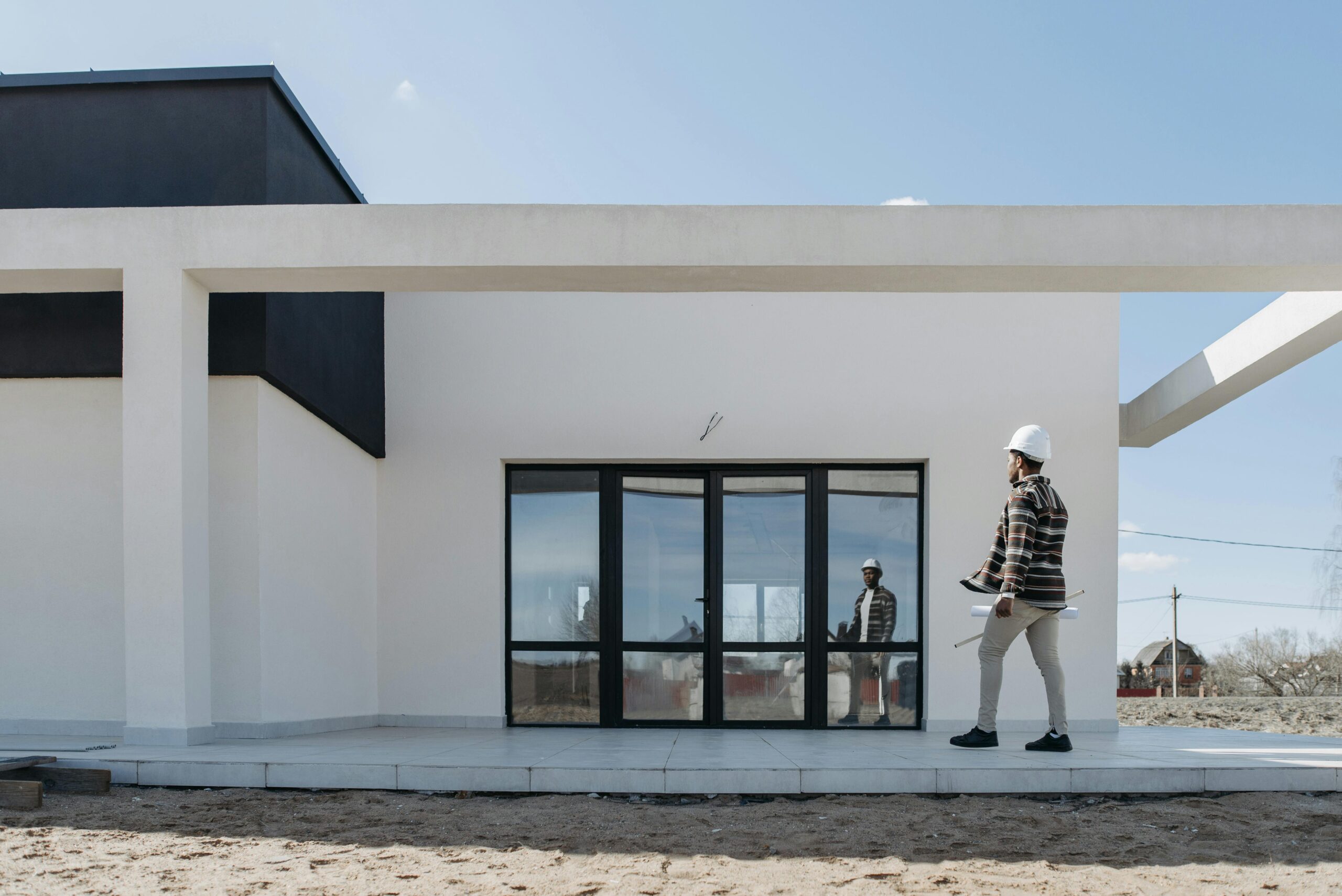
How to Evaluate a Property Before Investing
Property investment sounds simple on the surface. Buy a place. Hold it. Watch the value grow. But anyone who has actually done it knows it’s rarely that clean. One wrong call, one overlooked detail, and the numbers stop making sense very fast.
In busy cities, real estate moves quickly. Prices change. Neighborhoods shift. New projects appear almost overnight. That makes evaluation more important than timing. Good investors don’t rush. They pause, observe, calculate, then move.
Evaluating a property before investing is not about finding perfection. It’s about reducing risk. You want fewer surprises later. Fewer repairs. Fewer legal headaches. And ideally, a property that still makes sense five or ten years down the line.
Let’s break it down, step by step, the practical way.
Start With the Location, Not the Building Itself
Most experienced investors look at the area first. The building comes later. There’s a reason for that. You can renovate a property. You can’t relocate it.
Before going any further, take time to study:
- Road access and traffic flow
- Distance from schools, hospitals, offices, and markets
- Nearby commercial activity
- Signs of future development
Properties located near essential services and transport hubs can see value appreciation over time compared to isolated locations. That gap grows even more in large cities. That’s why many reputable builders in Karachi focus on areas with high growth potential. This not only boosts property value but also attracts more buyers and investors.
Look at Market Prices, Not Asking Prices
This is where many investors slip. Sellers can ask anything. The market decides what sells.
Before committing to a property, compare recent transactions in the same area. Look at actual sale prices, not listings. Even a six-month window gives valuable insight.
Here’s what helps:
- Price per square foot comparisons
- Recent sales within the same block or society
- Price movement over the last year
If similar properties sold for less, that’s a red flag. If prices are steadily rising but sales volume stays healthy, that’s usually a good sign.
Check the Physical Condition With a Critical Eye
A property can look fine at first glance. Paint hides a lot. Tiles distract. Lighting helps. But underneath, problems may sit quietly.
Before investing, inspect:
- Walls and ceilings for cracks
- Plumbing pressure and drainage
- Electrical wiring condition
- Roof and water seepage areas
Older buildings often carry higher maintenance costs. Newer projects reduce that risk early on, especially when developed by builders with a reputation for solid planning and compliance.
You don’t need to be an expert. You just need to ask questions. If answers feel vague, that’s information too.
Legal Clarity Is Not Optional
This part isn’t exciting, but it protects everything else.
Always verify:
- Ownership documents
- Approved building plans
- Completion or NOC certificates
- Utility and tax records
In countries like Pakistan, unclear documentation remains one of the biggest causes of property disputes. Reputable developers make documentation easier. Projects backed by experienced firms usually follow regulatory requirements closely, which lowers long-term legal risk.
Understand the Numbers Before Emotions Take Over
A good property should work financially, even on a bad day.
Before investing, calculate:
- Total purchase cost
- Expected rental income
- Yearly maintenance and taxes
- Vacancy risk
Then calculate ROI. Keep it simple. If numbers don’t make sense on paper, they won’t magically improve later.
Emotions push people to stretch budgets. Numbers pull them back to reality.
Think About the Area Five Years From Now
Smart investors don’t only look at today’s view. They look ahead.
Ask yourself:
- Are roads or transit projects planned nearby?
- Is commercial activity increasing?
- Are new residential projects launching around it?
Urban growth changes demand. Areas supported by long-term planning tend to age better.
Developments backed by builders with a consistent delivery history usually reflect that forward thinking. It shows in layout, amenities, and location choice.
Community and Lifestyle Matter More Than You Think
People don’t just buy walls. They buy a way of living.
Gated access, parking, security, green spaces, and basic maintenance systems increase demand. These factors directly affect resale and rental value.
Even small things add up. Elevators that work. Water systems that don’t fail. Clean common areas. These details keep a property desirable.
Good developers plan for this early. It’s not accidental.
Pay Attention to the Builder’s Track Record
A property is only as strong as the people who built it. This part often gets ignored, but it matters a lot. Look into the developer’s past projects. Did they deliver on time? Are their buildings still holding up after a few years? Do residents complain about major issues or mostly small ones?
A consistent track record reduces uncertainty. Builders who have been active in the market for years usually understand approvals, planning, and execution better. That experience shows in layout quality, construction standards, and post-handover support. It’s not about big promises. It’s about patterns. And patterns tell you what to expect later.
Don’t Forget About Maintenance and Hidden Costs
Buying a property is just the start. Many small investors forget this. Maintenance, utilities, repairs; they all add up. You think the price is fine, then after a year, bills and upkeep eat into profits. Even small issues like elevator servicing, water supply, or security fees can pile up.
Ask the builder about warranties and post-sale support. Experienced developers usually have maintenance plans in place. That saves you headaches later. A property that seems cheap at first can turn expensive if you ignore these costs. Planning ahead keeps your investment truly profitable.
Bottom Line
Evaluating a property before investing is not about being perfect. It’s about being prepared.
When you study location, compare real prices, inspect condition, verify legal status, and run the numbers honestly, risk drops sharply. You don’t need inside tips. You need discipline.
Take your time. Ask uncomfortable questions. And lean toward properties built with long-term thinking in mind. Those choices tend to reward patience.



Post Comment