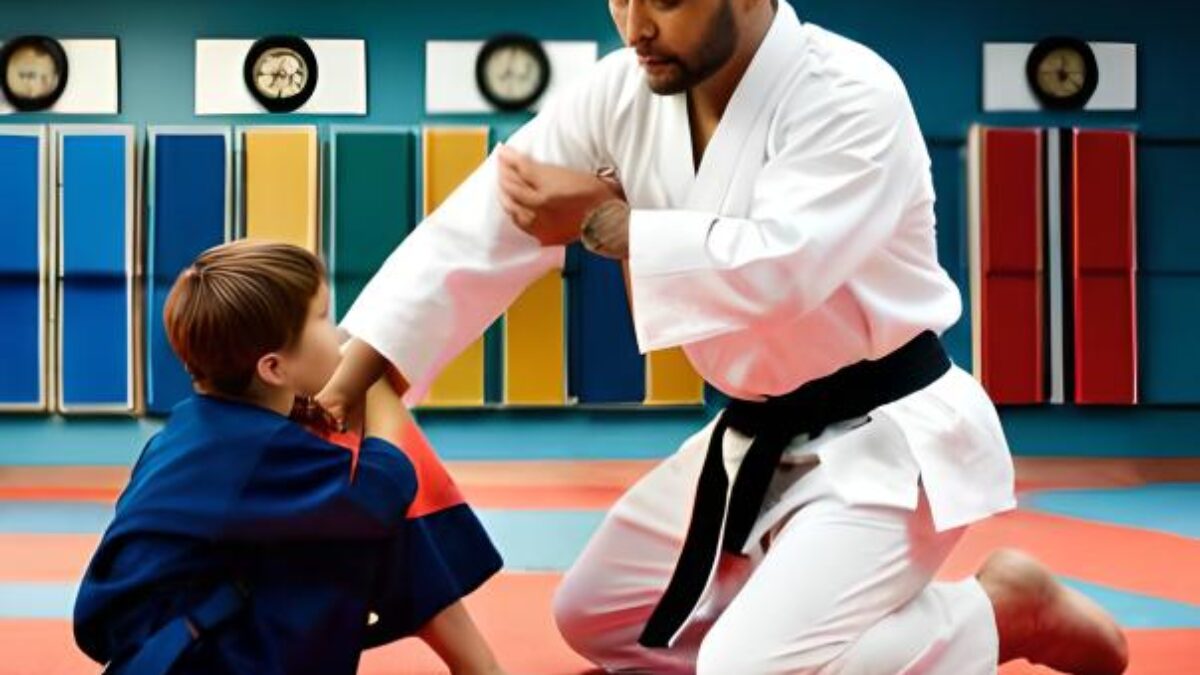
Karate Upper West Side and Executive Function
When parents search for karate on the Upper West Side, they often start with simple goals. Confidence. Fitness. Better behavior. Self-defense. Those are real outcomes, but they are not the most important change many families end up seeing.
The deeper impact of karate is how it improves executive function. That is the mental skill set that helps a child manage attention, emotions, and decision-making in the real world.
Executive function is not one single ability. It includes impulse control, working memory, flexible thinking, planning, and emotional regulation. These skills shape how a child performs in school, handles social situations, and responds to stress.
The reason karate works so well for this is that it trains the brain and body together under clear rules, consistent feedback, and escalating challenge.
A good karate program is structured. There is a beginning and an end to class. There is a warmup, technique practice, partner drills, and often forms that require sequencing.
That structure is not just tradition. It teaches the brain to follow process. Kids learn that progress comes from steps, not from mood. This matters for children who struggle with consistency, attention, or frustration tolerance.
Karate also teaches inhibition, which is the ability to pause before acting. In sparring or partner drills, you cannot flail. You must wait, read distance, and choose the right moment.
Children learn to control force, stop on command, and respect boundaries. That is impulse control in a real physical setting, not just a lecture. Over time, that discipline shows up in school and at home, because the child has practiced self-control in a high-feedback environment.
Working memory improves too. In karate, students hold multiple instructions in mind at once. They remember combinations, stances, and sequences while adjusting posture and timing.
In kata, they must recall patterns precisely, sometimes under pressure, and correct mistakes without quitting. This is the same mental muscle used in academic work like math steps, reading comprehension, and multi-part tasks.
Flexible thinking is another hidden benefit. If a technique does not work, the student must adjust. If a partner moves differently, the student must adapt. If they make a mistake, they must reset and continue.
Karate teaches that mistakes are information, not a reason to stop. That is a major shift for children who shut down when something feels hard.
Emotional regulation is the most visible change for many families. In karate on the Upper West Side, kids learn calm breathing, steady posture, and respectful behavior under challenge.
They learn how to be intense without being chaotic. They learn how to lose without falling apart and how to win without becoming disrespectful. That balance is emotional maturity built through repetition.
Karate also builds delayed gratification, which is rare in modern life. Belts are earned, not given. Progress is slow and real. Children learn that effort compounds.
They also learn that consistency matters more than bursts of motivation. That lesson becomes a life advantage, because it applies to everything from sports to school to friendships.
The Upper West Side has its own challenges for kids and families. It is busy, competitive, and high-stimulation. Children are often scheduled tightly and surrounded by screens. Karate gives them a different environment. It is physical, direct, and grounded. The rules are clear. The feedback is immediate. The community is real. That makes it a powerful anchor for mental health and confidence.
For adults, martial arts in the Upper West Side offers similar benefits. It improves stress tolerance, attention control, and emotional steadiness. Many adults notice they handle conflict differently. They pause more. They breathe better. They stop reacting impulsively. That is executive function too, just applied to adult life.
The deepest reason karate works is that it trains identity. Students start to see themselves as disciplined. Capable. Calm under pressure. When that identity takes root, behavior changes without constant correction. The child does not just behave better. The child becomes someone who can handle more.
If you are looking for karate on the Upper West Side, it helps to see it for what it really is. It is not just an activity. It is a long-term training system for the brain, the body, and the character. The results show up everywhere, not only in the dojo.


Post Comment