
Key Financial and Operational Elements of a Strong Property Management Business Plan
Real estate operations now run in an environment where volatility is normal says American Heritage Properties team. Rates shift, vendor costs fluctuate, regulations tighten, and tenant expectations for responsiveness keep rising. Most portfolios don’t lose value because of one dramatic failure.
They lose value through small operational leaks: delayed renewals, inconsistent billing, slow maintenance coordination, untracked vendor performance, and financial reporting that arrives after decisions have already been made.
A scalable plan fixes the structure behind those leaks. It turns property management from a collection of people and processes into a repeatable operating system. That system relies on two capabilities working together:
- Financial visibility that updates from the ground truth (leases, work orders, invoices, renewals)
- Operational execution that follows standardized workflows rather than ad-hoc coordination
At its core, building a scalable property management strategy means creating an operating model where growth increases clarity instead of chaos.
Why Traditional Property Management Plans Break at Scale?
Many property management plans look solid on paper but break down in the real world because they assume stable conditions and linear growth. Scale is rarely linear. It amplifies friction.
Here’s where most plans fail:
- Fragmented systems: Leasing data sits in one tool, maintenance in another, accounting in another, and “truth” lives in spreadsheets.
- Reactive maintenance: Work gets handled after complaints pile up, not before minor issues become major costs.
- Training dependency: New hires require long ramp times because workflows live in people’s heads.
- Delayed reporting: Month-end reporting becomes the moment you learn what went wrong, too late to fix it.
- Inconsistent service quality: One region performs well, another struggles, and leadership can’t see why quickly.
A scalable strategy is designed to stop these failure modes. It creates standardization without turning operations rigid. That balance is what allows you to adapt portfolio decisions without disrupting day-to-day execution.
Financial Element 1: Dynamic Revenue Modeling
Scaling is easier when revenue is structured, layered, and tied to portfolio performance. A dynamic revenue model typically includes three layers.
1) Core management income aligned to operational reality
Flat fees can work at smaller scales, but as portfolios diversify, complexity varies by property type, tenant profile, and service intensity.
A scalable plan introduces fee logic that reflects operational load. That doesn’t have to be complicated. It can be as simple as aligning pricing tiers with:
- Property type (residential, commercial, mixed)
- Lease cycle volume
- Maintenance intensity
- Region-specific vendor dependency
2) Ancillary income that is intentional, trackable, and defendable
Ancillary revenue should not feel like random add-ons. It should be tied to services tenants and owners already value, then made trackable inside the operating system. Examples include:
- Structured vendor coordination fees where appropriate
- Technology modules that improve tenant responsiveness
- Premium reporting packages for owners who want deeper visibility
- Admin services that remove back-and-forth (documents, compliance packets, onboarding workflows)
The key is consistency: scalable ancillary revenue is repeatable, not opportunistic.
3) Long-horizon forecasting that’s built around retention and renewal behavior
Revenue planning becomes stronger when it accounts for renewal probability, vacancy timing, and lease lifecycle patterns, not only “this year’s rent roll.” With renewal workflows digitized, you can forecast more confidently because lease events (expirations, renewals, term changes) become visible earlier and are easier to act on. That supports better planning for:
- Retention programs
- Renewal scheduling
- Leasing pipeline pacing
- Staffing needs by quarter
Dynamic revenue modeling makes growth less dependent on adding headcount and more dependent on executing a repeatable system.
Financial Element 2: Robust Cost Architecture
Cost architecture is not a “cost-cutting section.” It is the part of the plan that ensures costs behave predictably as you scale.
A scalable cost model separates expenses into what should scale and what should not.
Variable costs should scale efficiently
Maintenance and service coordination are where scale often turns painful. As volume increases, manual triage becomes a bottleneck. A scalable strategy builds a workflow that:
- Routes requests based on category and urgency
- Collects required details upfront (photos, location, unit identifiers)
- Assigns work through vendor rules and SLAs
- Reduces repeat visits by standardizing intake quality
This lowers operational drag. The exact savings depend on portfolio condition and baseline maturity, so the plan should describe the mechanism, not promise a universal percentage.
Fixed costs should shrink as a percentage of revenue
At scale, fixed overhead should not expand in a straight line. Consolidation helps here. When accounting, approvals, reporting, and vendor billing live in one environment, you reduce:
- Duplicate software subscriptions
- Manual reconciliation effort
- Reporting rework
- Errors that create downstream correction costs
NetSuite is often used by organizations that want consolidated financial control across entities. Pairing that with a property-specific layer like RIOO reduces the gap between operational events and financial records.
Capex forecasting must be tied to portfolio growth and asset condition
Capex surprises destroy scalability. A strong plan includes a disciplined method to connect the asset lifecycle to forecasting:
- Track asset categories (HVAC, elevators, roofing, security, common-area equipment)
- Set replacement assumptions based on age and condition
- Link planned capex to financing timelines and expansion targets
- Keep depreciation and asset records aligned with real-world changes
Robust cost architecture ensures that scale improves margins through structure.
Financial Element 3: Predictive Cash Flow Engine
A scalable business plan treats cash flow as a living model, not a static worksheet.
Rolling forecasts should update from lease and billing events
Instead of forecasting quarterly and hoping nothing changes, scalable operators maintain rolling outlooks that adjust based on:
- Lease start dates and renewals
- Scheduled rent changes
- Recurring vendor obligations
- Known capex commitments
- Delinquency trends
Scenario planning is not optional at scale
Volatility needs a plan. A cash flow engine should include scenarios that stress the system, such as:
- Vacancy rising above target ranges
- Insurance and vendor costs are increasing faster than expected
- Regulatory changes affecting operations or fees
- Delayed receivables during tenant churn
Receivables discipline protects growth
As portfolios grow, AR issues can become invisible unless tracked cleanly. A scalable plan calls out how to monitor and act on:
- Aging buckets
- Recurring late pay patterns
- Dispute or billing error rates
- Escalation workflows for follow-up
The goal is predictable liquidity and fewer surprises during expansion.
Operational Element 1: Automated Workflow Core
Scaling fails when workflows rely on people remembering what to do. The workflow core makes execution predictable.
A scalable workflow core typically covers:
Lease-to-renewal lifecycle
- Standardized lease creation and storage
- Structured onboarding and documentation
- Renewal workflows triggered early, not last-minute
- Tenant self-service access to key documents
Maintenance-to-vendor lifecycle
- Structured request intake
- Prioritized routing rules
- SLA tracking and vendor accountability
- Closure verification and documentation logging
Owner reporting lifecycle
- Standardized reporting cadence
- Automated rollups by region/entity/property
- Clear operational notes tied to financial outcomes
In a NetSuite + RIOO structure, the advantage is that operational actions can be tied to financial context instead of being separate “activity logs.” That’s what keeps operations from drifting as the portfolio grows.
Operational Element 2: Data-Driven Talent Framework
Scale isn’t just a systems problem. It’s a people problem. A scalable strategy reduces training dependency and increases consistency across teams.
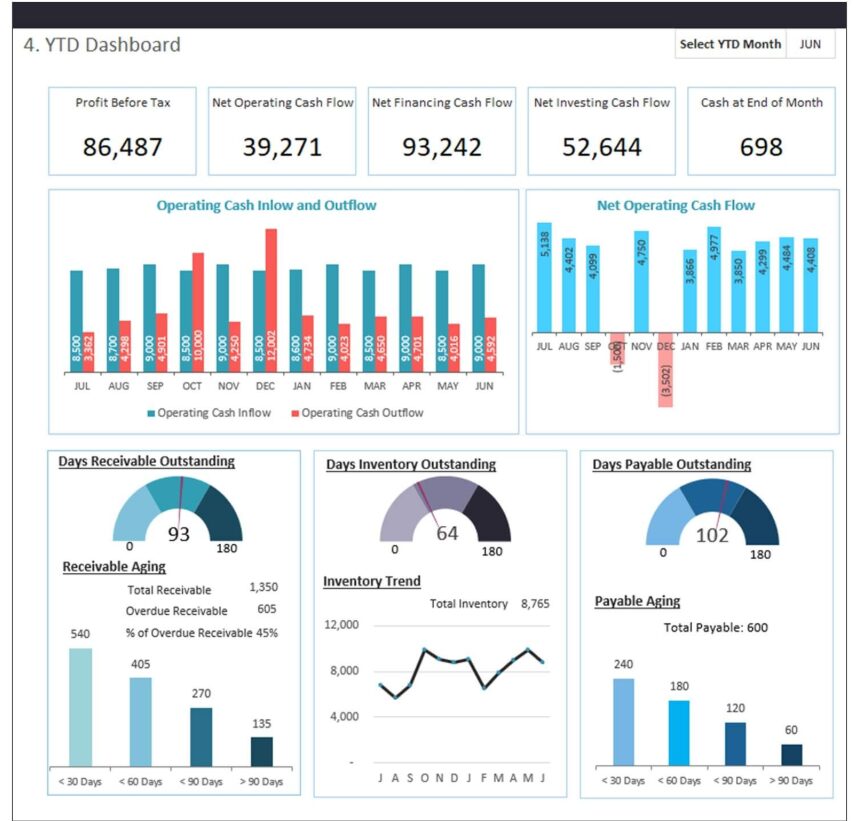
Role clarity through dashboards
When workflows are structured and the system shows “what matters” for each role, execution improves. Role-based dashboards can clarify:
- Leasing pipeline actions and renewal status
- Maintenance queues by urgency and SLA
- Vendor performance and open obligations
- Receivables and follow-up tasks
- Portfolio KPIs by region
Shorter ramp time through guided workflows
Training becomes faster when the system guides actions. Instead of learning exceptions first, people learn the standard process first, and exceptions become visible, trackable cases.
Performance measurement that reinforces outcomes
A scalable strategy avoids vanity metrics and focuses on operational outcomes, such as:
- Renewal completion timelines
- Maintenance resolution time by category
- Re-opened work orders
- Tenant response time
- AR follow-up completion
This builds repeatability and reduces the risk of service inconsistency across regions.
Operational Element 3: Risk-Resilient Compliance System
Compliance cannot be treated as a quarterly scramble. At scale, the cost of poor compliance shows up as disputes, audit delays, reporting inconsistencies, and reputational risk.
A scalable plan embeds compliance into workflows:
Traceability
Lease changes, approvals, vendor work, and financial entries should have clear audit trails. That reduces ambiguity when issues arise.
Policy consistency across regions
As you expand, local differences multiply. The strategy should define what is standardized (core policies) and what is flexible (region-specific requirements).
Security and continuity
Property management increasingly touches IoT devices, vendor portals, tenant data, and financial approvals. A risk-resilient plan includes basic safeguards:
- Role-based access controls
- Documented approval workflows
- Backup and continuity practices
- Vendor data handling expectations
The aim is operational continuity even under disruption.
Integration Element: Financial-Ops Symbiosis
This is the layer many plans miss. A plan can have strong finance and strong operations but still fail if they don’t talk to each other.
Financial, ops symbiosis looks like:
- NOI rollups that reflect operational realities (not delayed summaries)
- Maintenance spend is analyzed alongside lease retention and tenant experience
- Variance alerts that point to root causes (vendor delays, churn spikes, billing errors)
- Recurring operating reviews that connect KPIs to decisions
When NetSuite reporting and RIOO property workflows sit together, the integration becomes practical: lease events, vendor events, and operational outcomes can be tied to financial records without constant manual reconciliation.
For a deeper planning blueprint that connects these elements in one structured business plan format, use this guide on building a scalable property management strategy.
Conclusion
Scale in property management is not achieved by working harder. It’s achieved by building an operating system where execution is standardized, data is trustworthy, and decisions are supported by real-time visibility.
A strong plan builds:
- Adaptive revenue structures tied to performance
- Cost architecture that becomes more efficient with size
- Predictive cash flow discipline with scenario readiness
- Automated workflows that reduce coordination load
- Talent frameworks that shorten ramp time and improve consistency
- Embedded compliance and traceability that protect continuity
- Integrated financial and operational dashboards that connect outcomes to action
That’s what building a scalable property management strategy looks like when it’s designed to hold up under growth, not just describe growth.



Post Comment