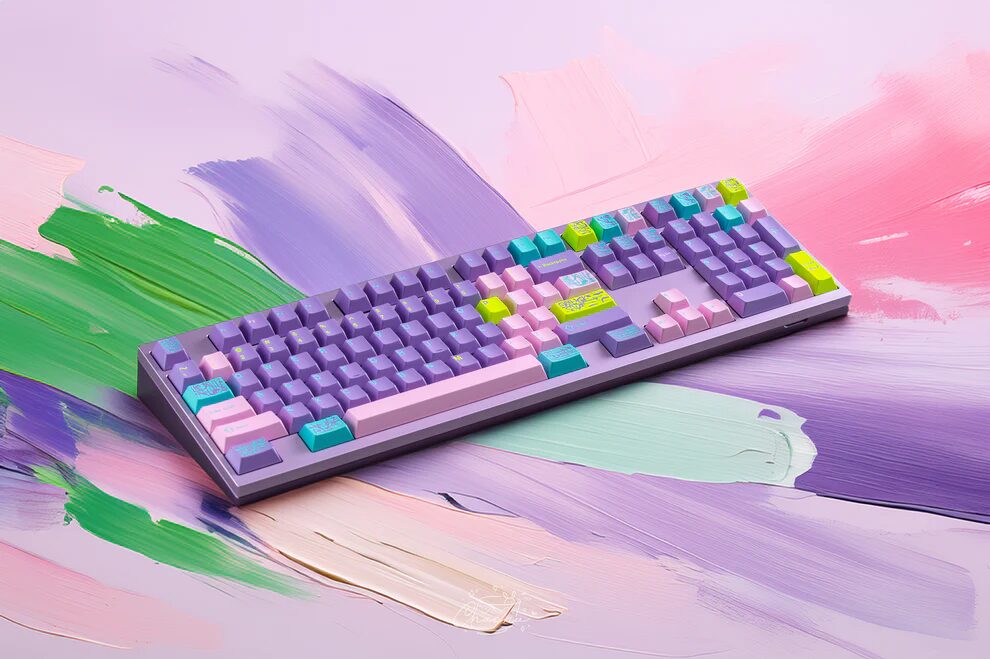
Keyboard Keycaps: Everything You Need to Know for Customization and Performance
Introduction
Whether you’re a gamer, programmer, writer, or everyday computer user, your keyboard is one of the most essential tools you interact with daily — and keyboard keycaps are a big part of that experience. From feel and sound to aesthetics and durability, the right keycap set can fundamentally change how your keyboard performs and feels. In this comprehensive guide, we’ll break down what keycaps are, why they matter, how to choose them, how to maintain them, and answer some common questions to help you make smarter decisions — and ultimately choose the best keycaps for your setup.
What Are Keyboard Keycaps?
At the most basic level, a keyboard keycap is the cover you press with your fingers — the part of the keyboard that displays letters, numbers, and symbols. Technically, keycaps are detachable covers placed over the underlying switch mechanism of a keyboard, allowing them to be replaced or customized without changing the switches themselves.
The vast majority of modern keyboard keycaps are made from plastic materials and are molded or engraved during manufacturing to display legends (the characters you see). Historically, keycaps were integrated into keyboards, but today’s modular designs make swaps and upgrades easy, giving users the ability to personalize everything from feel to style.
For more options and to shop highquality sets, check out our keyboard keycaps collection here.
Why Do Keycaps Matter for Typing and Gaming?
Your choice of keycaps affects typing comfort, sound profile, durability, and even aesthetics — all of which matter whether you’re working or gaming for extended hours:
· Typing Feel & Comfort: The shape and material of keycaps influence how your fingers interact with the keys. Some profiles (like Cherry or SA) change how deep or pronounced the feel is, while others feel flatter or more uniform.
· Sound Signature: Keycaps can alter the acoustic feedback of your keyboard. ABS keycaps often produce a brighter, higherpitched click, while PBT materials tend to provide a deeper, more “thocky” sound.
· Durability & Wear: Materials like PBT resist shine and wear from oils and heavy typing much better than ABS, which can develop glossy patches with use.
· Gaming Impact: Consistency and grip are especially important during fast, repetitive inputs. Textured materials and wellsculpted profiles can improve accuracy and reduce finger slip during gaming.
· Aesthetics & Customization: Keycaps are one of the most visible parts of your keyboard, allowing you to express style — from minimalist black sets to vibrant, themed designs.
Investing in the right keycaps — whether for durability, performance, or style — can make typing feel more efficient and comfortable, which for many users significantly improves overall keyboard satisfaction.
What Are the Different Types of Keycaps?
What Are ABS Keycaps?
ABS (Acrylonitrile Butadiene Styrene) plastic is the most widespread and affordable keycap material. It’s lightweight, smooth, and takes color dyes very well, making it ideal for vibrant, eyecatching keycap sets. However, ABS tends to develop a glossy shine over time with frequent use, and the surface finish may wear faster than other plastics.
ABS keycaps often produce a brighter, higherpitched sound and are frequently used with RGB backlit keyboards because they transmit light well.
What Are PBT Keycaps?
PBT (Polybutylene Terephthalate) is a harder, more heatresistant plastic that resists surface shine, fading, and oil buildup far better than ABS. Its textured, matte finish gives a solid, consistent feel and deeper sound profile, making it the favorite choice among enthusiasts and professionals alike.
While PBT keycaps are often pricier and less vibrant in color compared to ABS, they deliver longerlasting performance and usually maintain their appearance even after years of use.
What Are POM and Other Specialty Materials?
Beyond ABS and PBT, some keycaps use materials like POM (Polyoxymethylene), resin, polycarbonate, or even metals. POM keycaps are smooth and selflubricating, offering a unique feel and quieter sound profile rarely found in standard sets. (shop.mechalick.com)
Artisan keycaps made from resin frequently act as decorative accent pieces, while specialty materials like polycarbonate can enhance RGB lighting. Though often expensive and niche, these novel materials appeal to collectors and custom builders.
How to Choose the Right Keycaps for Your Keyboard?
What Should You Consider: Profile, Material, and Design?
· Material: As covered, ABS vs. PBT usually comes down to feel vs. durability. If you type extensively or want longlasting resistance to shine and oils, PBT is the more durable choice. If RGB lighting and vibrant visuals are priorities, ABS may win in aesthetics.
· Profile: Keycap profiles define how each row is contoured and can influence comfort and speed. For instance, Cherry profile is popular for balanced typing, whereas SA profile offers a taller, sculpted feel. (keyboard.university)
· Design: Consider whether you want classic legends, themed sets, or artisan accents for personalization.
How Do Keycap Compatibility and Size Affect Your Choice?
Keycap sets need to match your keyboard’s layout and stem type. Most modern mechanical keyboards use MXstyle stems, making many aftermarket sets interchangeable. However, compact keyboards with nonstandard bottom rows may require unique key sizes. A mismatched set could leave keys unfit or force you to leave some keys uncovered.
Always check compatibility with your specific keyboard layout. If you use a wired or wireless mechanical board with hotswappable switches, choosing custom keycaps is easier — just ensure the stem type and spacebar sizes match.
How to Maintain and Clean Your Keycaps?
1. Remove Keycaps Safely: Use a keycap puller to avoid damaging stems.
2. Soak & Wash: Soak keycaps in a bowl of warm water with mild dish soap for 20–30 minutes. Gently scrub stubborn grime with a soft brush.
3. Dry Thoroughly: Lay keycaps facedown on a towel for a few hours to air dry completely before reinstallation.
4. Deep Cleaning Your Keyboard Base: Use compressed air or a soft brush to blast debris from the switch area before reattaching keycaps. (tomsguide.com)
Regular cleaning every few months helps preserve the feel and look of your keycaps and prevents buildup that can affect typing performance.
Conclusion
Choosing the right keyboard keycaps can transform your daily typing or gaming experience — from feel and sound to durability and aesthetics. Understanding the differences in material, profile, and manufacturing helps you make an informed choice that aligns with your needs and preferences. Whether you’re upgrading from stock caps or building a customized setup, investing in quality keycaps makes typing more enjoyable and personal.
FAQs
Can I mix different keycap materials on the same keyboard?
Yes — as long as the stems match your keyboard’s switch type (most use MXstyle stems). Just be mindful that different materials may affect feel and sound slightly.
Do keycaps affect keyboard sound and typing feel?
Absolutely — materials and profile influence acoustic feedback and how responsive keys feel when pressed. PBT tends to sound deeper, while ABS often sounds brighter.
How often should I replace my keyboard keycaps?
That depends on use. Highquality PBT caps can last years without visible wear, while ABS sets might show shine sooner. Replace them when they feel worn, scratched, or if you simply want a fresh look.




Post Comment