Keyboard Switch Films: A Complete Guide for Mechanical Keyboard Enthusiasts
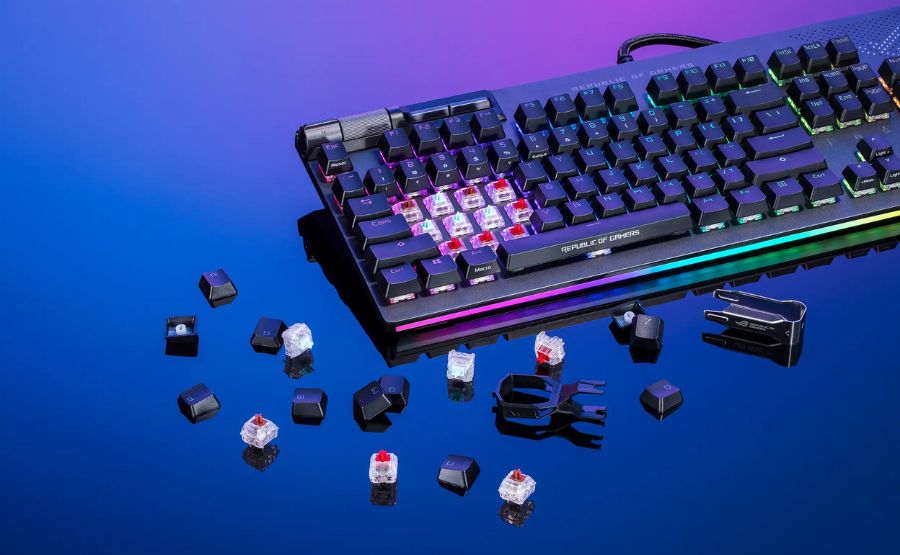
Mechanical keyboards have become increasingly popular among gamers, typists, and professionals due to their tactile feedback and customizable features. One lesser-known yet highly effective modification is the use of keyboard switch films. These tiny pieces of material, placed between a switch’s top and bottom housing, can dramatically improve the feel, sound, and overall typing experience of your keyboard. In this guide, we’ll explore what switch films are, how they work, the types available, installation methods, and whether they’re worth it for your setup.
What Are Keyboard Switch Films?
Keyboard switch films are thin, precise pieces of material—often made of polycarbonate, PET, or PVC—designed to fit between the top and bottom housing of a mechanical switch. By reducing the small amount of movement between the two halves, switch films enhance stability, reduce wobble, and create a more solid typing feel. According to a study by Keychron, stabilizing mechanical components can improve user typing speed and comfort by up to 15% over long typing sessions.
Switch films are compatible with most popular switch types, including linear, tactile, and clicky switches. They are particularly favored by enthusiasts seeking a premium typing feel without entirely replacing their switches.
How Do Keyboard Switch Films Improve Typing Experience?
Installing keyboard switch films can noticeably change your typing experience in several ways:
- Reduced Wobble: Even high-end switches can have slight side-to-side movement. Films fill tiny gaps in the switch housing, resulting in a more solid keystroke.
- Enhanced Sound: Typing acoustics are often improved, producing a deeper, more satisfying sound. A comparative test by Kinetic Labs showed that filmed switches reduced high-pitched rattling noises, making the keyboard sound more refined.
- Improved Consistency: Every key feels uniform, which is especially beneficial for gaming and long typing sessions.
- Customization Potential: Some films come in different thicknesses (e.g., 0.15mm, 0.2mm, 0.25mm), allowing users to fine-tune the typing feel. Thicker films tend to provide a stiffer feel, while thinner films maintain a lighter touch.
Real-life scenarios illustrate these benefits: a professional coder reported that after installing 0.2mm switch films on a 75% keyboard, typing fatigue decreased significantly during marathon coding sessions. Gamers also noted improved consistency in rapid keystrokes, especially in games requiring quick reaction times.
Which Types of Keyboard Switch Films Are Available?
There are several types of switch films based on material and thickness. Here’s a quick overview:
| Type | Material | Best For | Thickness Options |
|---|---|---|---|
| Polycarbonate | Durable plastic | Most linear and tactile switches | 0.15mm, 0.2mm |
| PET (Polyethylene Terephthalate) | Smooth, flexible | Clicky switches, sound dampening | 0.15mm, 0.18mm |
| PVC | Soft, slightly elastic | Tactile switches, softer keystroke | 0.2mm, 0.25mm |
Some high-end switch films also incorporate textured surfaces to enhance keypress feel and reduce housing friction. Enthusiasts often experiment with different types and thicknesses to achieve the perfect balance of sound, feel, and typing stability.
How to Install Keyboard Switch Films?
Installing switch films is straightforward but requires patience, especially if you’re modifying a full keyboard:
- Prepare Your Tools: You’ll need a keycap puller, switch opener (if hot-swappable switches are used), and the films.
- Remove Keycaps: Gently remove all keycaps to expose the switches.
- Open the Switches: For hot-swappable switches, use a switch opener to carefully separate the top and bottom housing.
- Insert the Film: Place the film between the top and bottom housing, ensuring it aligns perfectly. Misaligned films can cause binding.
- Reassemble the Switch: Snap the switch back together and test each key for smooth operation.
- Replace Keycaps: Once all switches are filmed, reattach keycaps.
Installation time varies based on keyboard size. For a 60% keyboard, expect around 30–45 minutes; for a full-size board, up to 90 minutes. Some users prefer to film only frequently used keys first to test the difference before committing to the entire keyboard.
Are Keyboard Switch Films Worth It for Every Mechanical Keyboard?
While switch films can enhance typing experience, their benefits are most noticeable on high-quality or enthusiast-level mechanical keyboards. Entry-level switches may see marginal improvement due to inherent wobble and inconsistent manufacturing tolerances.
Factors to consider:
- Keyboard Type: Hot-swappable boards are easier to modify. Soldered boards require more effort.
- Switch Quality: Premium switches benefit more from films due to precise tolerances.
- Typing Preferences: Users who value acoustic refinement and consistent feel are more likely to appreciate films.
Ultimately, if you enjoy fine-tuning your mechanical keyboard or aim to reduce noise and wobble, switch films are a cost-effective upgrade with noticeable results. As one enthusiast notes, “It’s a subtle change that completely transforms the feel of my keyboard.”
Conclusion
Keyboard switch films are a small but powerful modification for mechanical keyboard enthusiasts. By reducing wobble, improving sound, and enhancing typing consistency, films can elevate the overall experience for typists and gamers alike. While not every keyboard will benefit equally, high-quality switches paired with the right films often deliver remarkable improvements. For those interested in exploring this upgrade, check out our recommended keyboard switch films.
FAQs
Can keyboard switch films reduce keyboard noise?
Yes. By stabilizing the switch housing, films minimize rattling and high-pitched noise, resulting in a deeper, more pleasant sound.
Do all mechanical switches benefit from films?
Not all. Premium linear, tactile, and clicky switches tend to see the most improvement. Lower-end switches may show minimal change.
How do I choose the right thickness for a keyboard switch film?
Thickness affects feel: thinner films (0.15–0.18mm) maintain a lighter keystroke, while thicker films (0.2–0.25mm) increase stability and create a firmer feel. Testing a few thicknesses on frequently used keys can help determine the ideal choice.



Post Comment