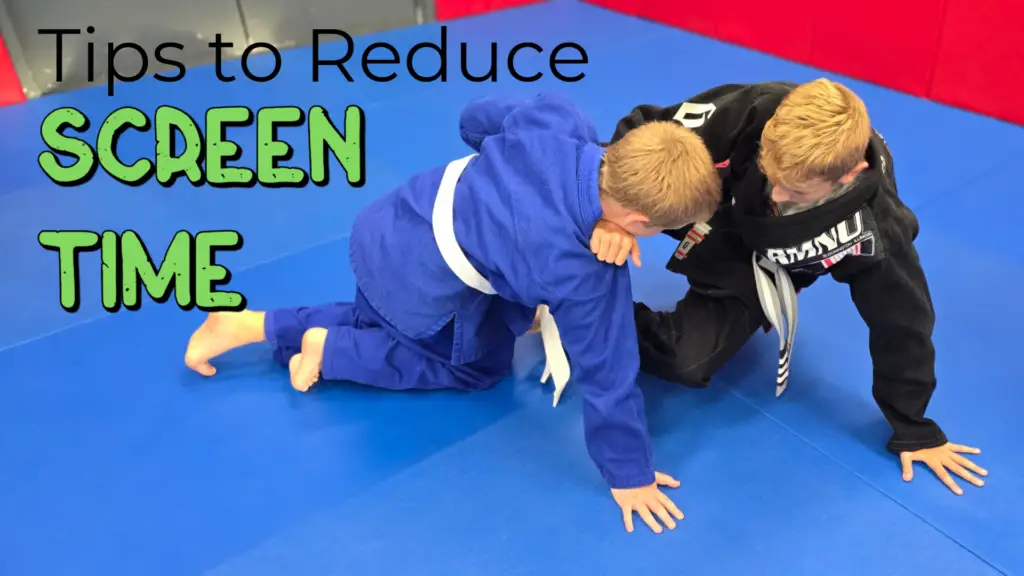
Kids Jiu-Jitsu vs Screen Time: Better Daily Habits
Screens are everywhere. Between school devices, YouTube, gaming, and group chats, many kids spend more time looking at a screen than moving their bodies. Even when parents set good limits, it can still feel like a daily battle because screens are designed to grab attention and keep it.
The goal is not to make screens the enemy. The goal is to help kids build healthier habits that make screen time easier to manage. That is where kids Brazilian Jiu Jitsu can be a game changer. Jiu Jitsu gives kids an active routine they actually enjoy, along with structure, confidence, and a better relationship with focus.
Below is a practical look at how kids Jiu Jitsu supports daily habits that naturally reduce unhealthy screen dependence, without constant arguing or strict rules that never stick.
Why screen time becomes a habit so fast
Screen time can turn into a default because it is easy, rewarding, and always available. Kids get quick entertainment, quick social feedback, and a constant stream of novelty. For many children, especially those who struggle with attention or emotional regulation, screens can feel like the fastest way to settle down.
The problem is what happens around that habit. Too much screen time often leads to less movement, later bedtimes, more irritability, and harder transitions when it is time to do homework, eat dinner, or get ready for school. It can also reduce confidence in real world social settings because screens are predictable and physical activity can feel challenging.
Healthy habits usually do not come from taking something away. They come from replacing it with something better.
How Jiu Jitsu builds a routine kids want to follow
One of the most powerful parts of kids Jiu Jitsu is that it creates a weekly rhythm. Classes happen on a schedule. Kids pack their gear, show up, and follow a consistent structure. That routine matters because it gives your child a built in commitment that competes with screens in a positive way.
Instead of hearing, “Get off the iPad,” kids start thinking, “I have class today.” That shift is huge. It changes the conversation from restriction to purpose.
Over time, kids begin to self manage around training days. Many families notice their child becomes more willing to finish homework earlier, eat dinner on time, and get ready without being reminded repeatedly. The activity becomes the anchor that organizes the week.
Jiu Jitsu improves focus without forcing it
Parents often worry about attention. They see short focus spans in schoolwork and then wonder why their child can focus for an hour on a game. The difference is engagement.
Jiu Jitsu trains focus through movement. Kids have to listen, watch, and respond in real time. They learn techniques step by step, practice them with a partner, and adjust when something does not work. This is not passive entertainment. It is active problem solving.
Because the class environment is structured, kids learn to pay attention in small bursts and then apply what they heard right away. That style of learning builds real focus that can transfer to school tasks, especially when training becomes consistent.
It supports healthier sleep and bedtime routines
Excessive screen use, especially close to bedtime, can disrupt sleep patterns. When kids do not sleep well, everything gets harder. Mornings are rough. Emotions run high. Attention drops. And the craving for easy entertainment increases.
Jiu Jitsu can help from two angles.
First, it gives kids a physical outlet. When children move their bodies, they release energy, reduce stress, and come home more ready to wind down. Second, it strengthens routines. Families often build a predictable post class routine: dinner, shower, prep for tomorrow, and bed.
This does not mean every child will fall asleep instantly. But it does create a healthier pattern where the body is tired in a good way and the mind has had a break from constant digital stimulation.
Jiu Jitsu builds confidence that screens cannot
Sometimes screens become a comfort zone because real life feels uncomfortable. A child may avoid sports because they feel behind. They may avoid social events because they feel shy. Or they may struggle with frustration and prefer the control of a screen.
Jiu Jitsu is one of the best activities for building confidence because progress is visible. Kids learn a skill, practice it, and see improvement. They learn that effort matters. They also learn that mistakes are part of growth.
This confidence shows up in small ways at home. Kids stand taller. They are more willing to try new things. They handle losing with more maturity. And when they feel stronger in their own body, they often rely less on screens for comfort.
It teaches emotional regulation and impulse control
A common screen time issue is transitions. A child is fine until it is time to stop, then everything escalates. That is not just stubbornness. It is often poor emotional regulation.
In Jiu Jitsu, kids practice staying calm under pressure. They learn how to breathe, reset, and follow rules even during competitive drills. They learn self control through partner training because they must respect boundaries and safety.
This kind of training supports better impulse control outside the gym. It can make it easier to turn off a device, accept a limit, and move to the next task without melting down.
It replaces passive time with active community
Another hidden factor in screen dependence is social connection. Kids want to feel part of something. Screens offer instant community through games and online content.
Jiu Jitsu provides real community. Kids train with teammates, get encouragement from coaches, and build friendships through shared effort. That sense of belonging is powerful, and it is something screens cannot fully replace.
When kids have a place where they feel supported and challenged, they often become less attached to screen based validation.
Simple ways to use Jiu Jitsu to improve daily habits
If you want Jiu Jitsu to support healthier routines, here are a few practical ideas:
- Set a training day rhythm. On class days, keep the routine predictable: homework first, then class, then dinner and wind down.
- Create a screen time rule that feels fair. For example, no screens one hour before class so your child arrives focused.
- Use goals instead of punishments. Tie screen time to positive habits like reading, schoolwork completion, or chores.
- Celebrate consistency. Praise effort and showing up, not just performance. Kids stay motivated when they feel progress.
- Keep weekends active too. One class can inspire more movement like walks, bike rides, or family activities.
A healthier balance starts with the right outlet
Kids do not need perfection. They need structure, movement, and something that makes them feel capable. Jiu Jitsu is not just another activity. It is a habit building system that teaches discipline, focus, and confidence in a way kids can actually enjoy.
When your child has training to look forward to, screen time becomes less dominant. Daily routines improve. Sleep improves. And parents often notice a calmer, more focused child who is proud of what they can do.
If you are looking for a positive alternative that helps your child build better daily habits, kids Jiu Jitsu can be one of the most practical places to start.




Post Comment