Personal Tax Services in Canada: What They Include and When You Need Them
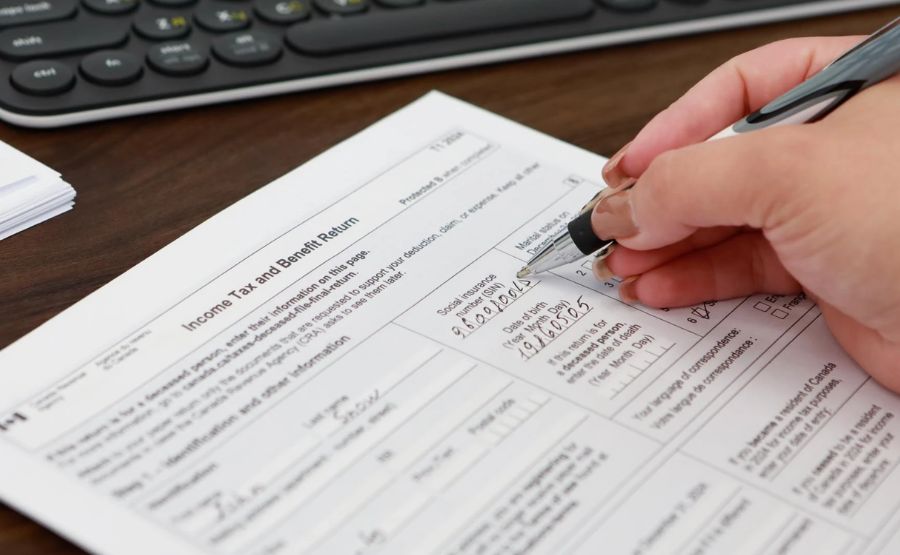
Filing a tax return in Canada can look simple from the outside. You gather slips, enter numbers, hit submit, and hope for the best. In real life, it is rarely that neat. A missed T-slip, an unclaimed credit, or the wrong handling of freelance, rental, or investment income can turn a routine filing into a refund delay, a reassessment, or money left on the table.
That is where personal tax services can help. In Canada, these services usually go beyond data entry. They can include return preparation, review of deductions and credits, help with CRA authorization, support with notices of assessment, and assistance if a filed return needs to be changed later. CRA also gives taxpayers several official filing routes, including certified software, professional preparers, SimpleFile for eligible individuals, and free tax clinics for people with a modest income and a simple tax situation.
What personal tax services usually cover
They want confidence that income is reported properly, deductions are not missed, and CRA requirements are followed from start to finish.
A strong service usually starts with document review. CRA expects you to gather the information needed to report income and claim deductions and credits before filing. That includes tax slips, expense records, and other supporting documents. If a professional preparer files for you, CRA says you still need to provide the information you gathered, review the prepared return, and review Form T183 before authorizing electronic filing.
From there, the work often moves into planning and accuracy control. CRA’s system is based on self-assessment, which means you are responsible for reporting annual income and claiming the deductions or credits that apply to your situation. CRA also runs review programs and highlights common adjustments each year, which is one reason careful preparation matters. A good service helps reduce the chance of preventable mistakes before the return is filed.
When getting help makes the most sense
Not every taxpayer needs the same level of support. Some returns are simple enough to handle with certified software. Others deserve closer review.
Help becomes more valuable when your tax situation includes more than one income source, such as employment plus self-employment, investment income, rental income, or a sale of capital property. It can also matter when you are trying to claim deductions or credits that you are not fully sure about, because CRA maintains a wide list of possible deductions, credits, and expenses, including areas like medical expenses, moving expenses, home office expenses for employees, disability-related claims, and training credits.
It is also smart to get support when filing affects your benefits. CRA says many people should file not only because they owe tax or want a refund, but also because filing can start or continue benefits and credits such as the Canada child benefit, the GST/HST credit, and the Guaranteed Income Supplement. In other words, even a low-income or no-income year may still make filing important.
What CRA wants you to have ready before filing
A tax return tends to go smoother when the prep work is done first. CRA’s guidance is straightforward: gather your documents, get your tax slips, update your personal information with CRA if needed, and choose how you want to file. That sounds basic, but it is where many returns go off track.
If you are filing on your own, CRA allows you to use certified tax software and NETFILE. Certified software can help calculate your return and send it electronically to CRA. If you use Auto-fill My Return, CRA can pull the tax slips it has available in your My Account into your software for review. That can save time, but it does not remove your responsibility to check accuracy. CRA’s own wording makes that clear: you still need to verify the amounts and decide how income should be reported in situations involving more than one person.
If you are using a preparer, authorization matters too. CRA allows you to authorize a representative through My Account, through a representative request you confirm in My Account, through tax information from an older notice of assessment in some cases, or by mailing Form AUT-01 for offline access. This is one of those steps that sounds administrative, but it can save time when your preparer needs to review CRA-held information or help with follow-up later.
Current CRA deadlines and filing options
For the 2025 tax year, CRA says online filing opened on February 23, 2026. For most individuals, the filing deadline is April 30, 2026, and any balance owing is also due April 30, 2026. If you, or your spouse or common-law partner, were self-employed in 2025, the filing deadline is June 15, 2026, but any balance owing still had to be paid by April 30, 2026, to avoid interest and penalties.
CRA also offers more than one filing path. You can file with certified software, use a professional tax preparer, use SimpleFile if you are eligible, or visit a free tax clinic if you have a modest income and a simple tax situation. That matters because the right filing method depends on your situation, not just your budget. A straightforward return may not need paid help. A more complex one often does.
After filing: what good service looks like
Filing is not always the finish line. Sometimes it is the start of the next step.
After CRA receives your return, it sends a notice of assessment, which is the summary of the calculated amounts for your income tax and benefit return. If changes are later made to that assessed return, CRA sends a notice of reassessment. A useful tax service does not disappear after filing day. It helps you understand the notice, confirm whether the assessment matches what was filed, and decide whether any follow-up is needed.
If something was missed, CRA says you must wait until you receive your notice of assessment before requesting a change to your return. Changes can be requested online or by mail, and CRA notes that online options are faster and can help reduce errors by making it easier to provide all required information.
Recordkeeping matters here too. CRA says that if you file electronically, you should keep all receipts and documents in case they are requested later, and you should keep them for at least six years after filing. CRA also says you should keep a copy of your return, your notice of assessment, and any notice of reassessment. If a professional preparer filed electronically for you, CRA specifically says to keep your slips, receipts, and completed Form T183 for at least six years.
The real value of personal tax help
The best tax help is not just about finishing a return. It is about making sure the return is complete, supportable, and aligned with what CRA expects.
That matters even more when you are juggling changing family status, side income, tuition carryforwards, support payments, rental property, or a first year of self-employment. In those cases, personal tax services can help turn a stressful yearly task into a cleaner process with fewer surprises.
The goal is simple: file on time, claim what you are entitled to claim, keep the right records, and be ready if CRA asks questions later. CRA’s own filing system gives you the tools, but good support helps you use them properly.
FAQs
What do personal tax services include in Canada?
They commonly include return preparation, review of income and slips, checking deductions and credits, filing support, CRA authorization help, and post-filing help with notices or corrections. CRA’s own process for professional preparers includes document review, Form T183 review, filing authorization, and notice of assessment follow-up.
Do I still need to file a return if I had little or no income?
Often, yes. CRA says filing may still be important if you want a refund or want to begin or continue benefits and credits such as the Canada child benefit, GST/HST credit, or Guaranteed Income Supplement.
Can a tax preparer access my CRA information?
Yes, but only with proper authorization. CRA allows authorization through My Account, through a request confirmed in My Account, through certain tax information methods, or by mailing Form AUT-01 for offline access.
After filing, is it possible to make changes to my tax return?
Yes. CRA says you must wait until you receive your notice of assessment before requesting a change. After that, you can request changes online or by mail.
How long should my tax records be kept?
CRA says to keep receipts and supporting documents for at least six years after filing. You should also keep a copy of the return, your notice of assessment, and any notice of reassessment.




Post Comment