Polygraph Test: What It Really Measures (And What It Doesn’t)
There’s something oddly dramatic about a polygraph test. The wires. The quiet room. The idea that a machine can somehow peek into your truth. You’ve probably seen it in movies—someone sweating under pressure while a needle jumps wildly across a chart.
Real life isn’t quite that cinematic. But it’s not boring either.
Polygraph tests sit in a strange space between science, psychology, and plain old human behavior. Some people swear by them. Others dismiss them entirely. The truth, like most things, lands somewhere in between.
Let’s unpack what’s really going on when someone takes a polygraph test—and why it’s more complicated than just “lie or truth.”
What a Polygraph Test Actually Tracks
Here’s the first thing that surprises people: a polygraph doesn’t detect lies.
It detects physiological responses.
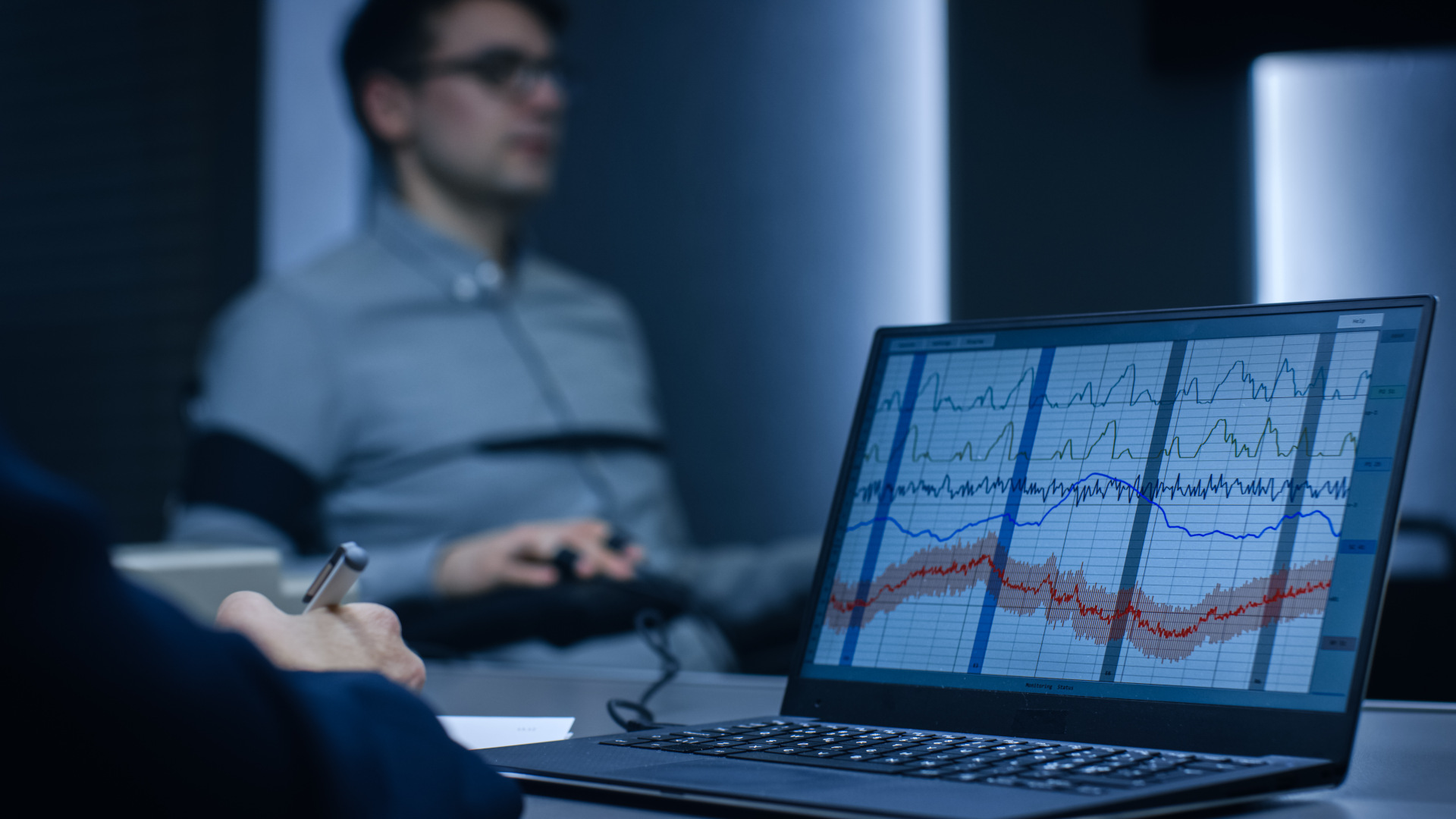
When you’re hooked up to a polygraph, sensors measure things like your heart rate, breathing patterns, blood pressure, and skin conductivity (which basically tracks sweating). The idea is simple—when you lie, your body reacts.
Sounds reasonable. But here’s the catch: your body reacts to a lot of things.
Stress. Fear. Embarrassment. Even confusion.
Imagine this: someone asks you, “Did you take money from the office drawer?” You didn’t. But suddenly you’re nervous. Why? Maybe you’ve never been in this situation before. Maybe you’re worried they won’t believe you. Maybe the whole setup feels intimidating.
Your heart rate spikes. Your breathing shifts.
To the machine, that looks suspicious.
So right away, you can see the issue. The polygraph isn’t measuring lies—it’s measuring how your body responds under pressure.
The Role of the Examiner
This is where things get more human than people expect.
A polygraph test isn’t just a machine running on autopilot. The examiner plays a huge role. In fact, the interpretation of the results depends heavily on them.
Before the test even begins, there’s usually a pre-test interview. This can last a while. The examiner goes over questions, explains the process, and—this part matters—builds a psychological baseline.
They’re watching how you react when you’re calm. When you’re answering obvious truths. When you’re slightly uncomfortable.
Think of it like this: the machine collects the data, but the examiner tells the story.
That means two different examiners could look at the same data and walk away with slightly different conclusions. Not wildly different—but not identical either.
It’s less like a thermometer and more like reading body language.
Control Questions vs Relevant Questions
Polygraph tests rely on a comparison system. Not all questions are created equal.
There are “relevant” questions—the ones that actually matter to the investigation. Then there are “control” questions, which are designed to provoke a mild reaction in almost everyone.
A control question might be something like, “Have you ever lied to someone who trusted you?”
Let’s be honest—almost everyone has, at some point.
So when you answer “no” (or even hesitate), your body reacts a little. That reaction becomes a reference point.
Now when you’re asked a relevant question, the examiner compares your response to that baseline.
If your reaction to the relevant question is stronger, it might raise a red flag.
It’s a clever system. But it also assumes people react in predictable ways.
They don’t always.
Why People Believe in Polygraphs
Despite the controversy, polygraphs are still widely used—especially in certain government roles and investigations.
Part of their power comes from psychology.
If someone believes the machine can catch them, they’re more likely to confess or slip up. That alone makes the polygraph useful as an investigative tool.
Picture a scenario: someone is brought in for questioning. They’re told they’ll take a polygraph. Suddenly, the pressure ramps up. Even before the test starts, they might admit something they were planning to hide.
In that sense, the test works—not because the machine detected a lie, but because the situation did.
There’s also a common belief that physiological responses must reveal truth. It feels scientific. Objective. Hard to fake.
But that confidence isn’t universally shared.
The Skepticism (And It’s Not Small)
Many scientists and psychologists are skeptical of polygraph accuracy. Some go further and call it unreliable.
The main issue? Human emotions are messy.
People react differently under stress. One person might stay calm while lying. Another might panic while telling the truth. There’s no universal “lie response.”
Even worse, some people can train themselves to manipulate the results.
For example, during control questions, a person might deliberately increase their stress—maybe by tensing muscles or altering breathing. That skews the baseline. Then when they answer relevant questions, their responses seem comparatively calm.
It doesn’t take a mastermind to try this. Basic awareness can go a long way.
On the flip side, someone who’s naturally anxious might struggle no matter how honest they are.
So the reliability question isn’t just academic—it has real consequences.
Are Polygraph Results Admissible in Court?
In most places, polygraph results are not admissible in court.
That alone tells you something.
Courts tend to favor evidence that’s consistent, measurable, and widely accepted. Polygraphs don’t fully meet that standard.
There are exceptions. In some jurisdictions, both parties can agree to admit polygraph results. But that’s relatively rare.
More often, polygraphs are used during investigations, employment screenings (especially in security-related jobs), or internal inquiries.
They’re a tool—not a final verdict.
What It Feels Like to Take One
People often imagine a polygraph test as intense and confrontational. In reality, it’s usually quieter than that.
You sit still. Very still. Sensors are attached to your chest, fingers, and arm. The room is calm—almost too calm.
The examiner asks questions in a steady, controlled tone. No shouting. No dramatic pauses.
And yet, the tension builds.
Even simple questions start to feel loaded. You become hyper-aware of your breathing. Your heartbeat. The way your fingers rest.
A question comes. You answer. Then silence.
That silence can be the hardest part.
It’s not uncommon for people to second-guess themselves mid-test. “Did I sound nervous?” “Was that too quick?” That internal spiral can affect the very responses being measured.
So ironically, trying to appear calm can make you less calm.
Can You Beat a Polygraph?
This is the question people really want answered.
The honest response? It’s possible to influence the results, but it’s not foolproof.
Some techniques—like controlled breathing, mental distraction, or physical tension—are often mentioned. And yes, they can affect physiological signals.
But here’s the problem: trained examiners are aware of these tactics. They’re watching for inconsistencies, unnatural patterns, or signs of deliberate manipulation.
So while it’s not impossible, it’s not as simple as “do this and you’ll pass.”
Also, focusing too much on “beating the test” can backfire. Overthinking tends to increase stress, not reduce it.
When Polygraphs Are Useful
For all their flaws, polygraphs aren’t useless.
They can be helpful in narrowing down investigations, encouraging honesty, or adding another layer of information.
Think of them as part of a bigger puzzle.
If someone’s polygraph results align with other evidence, it can reinforce a conclusion. If they don’t, it might prompt further questions.
They’re also used in ongoing monitoring situations—like probation or security clearances—where the goal isn’t just to catch lies, but to maintain accountability.
Still, most professionals who rely on polygraphs don’t treat them as definitive proof.
They treat them as signals.
The Human Factor You Can’t Ignore
At the end of the day, polygraphs are deeply tied to human behavior.
Not just the person taking the test—but the person administering it, interpreting it, and even believing in it.
Two people can walk into the same test with different personalities, stress levels, and expectations—and walk out with very different results.
That unpredictability is both the strength and weakness of the polygraph.
It captures something real—your body’s response to pressure. But it doesn’t neatly translate that into truth or deception.
And maybe that’s the core issue.
We want certainty. A clear answer. Yes or no.
Polygraphs offer something messier.
Final Thoughts
Polygraph tests carry a certain mystique, but once you look closer, they’re less about detecting lies and more about reading reactions.
Sometimes those reactions tell a meaningful story. Sometimes they don’t.
If you ever find yourself facing one, it helps to understand what’s actually being measured—and what isn’t. It’s not a mind reader. It’s not a truth machine.
It’s a tool shaped by physiology, psychology, and interpretation.
And like any tool, it’s only as reliable as the way it’s used.


Post Comment