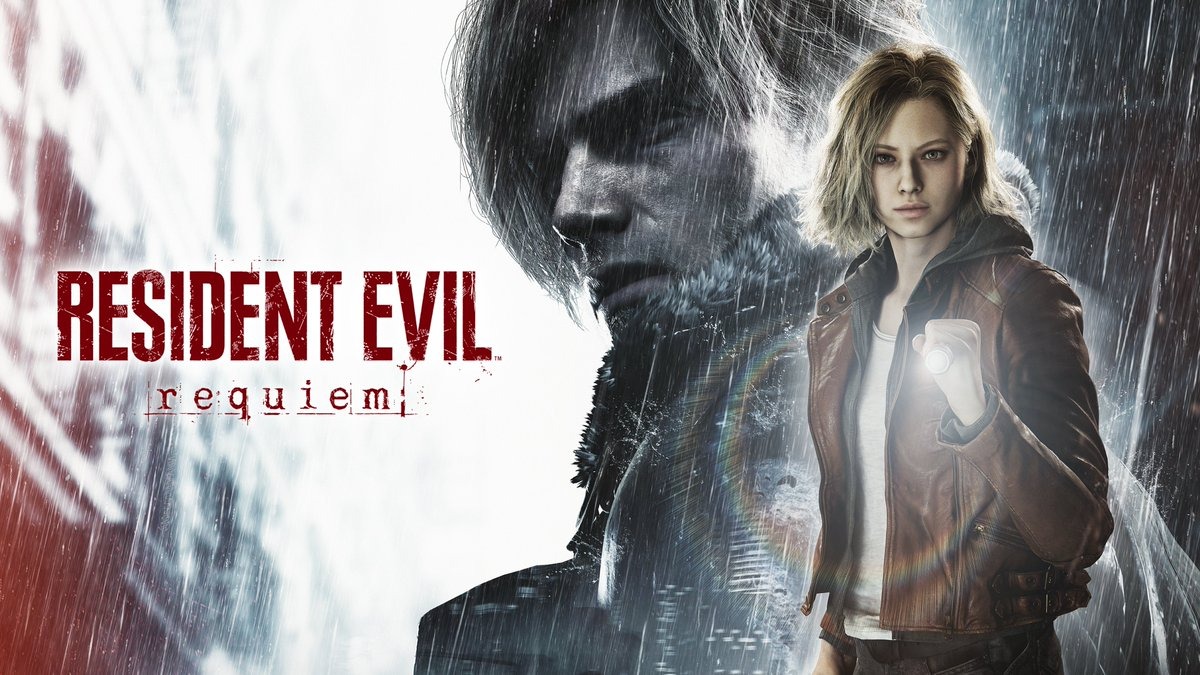
Resident Evil Requiem PC Settings — A Practical Guide to Getting It Right
Capcom quietly pulled off something impressive with Resident Evil Requiem. The game runs better out of the box than most major releases these days, yet the default settings still leave a fair amount of performance on the table. Spend twenty minutes in the options menu and the difference is night and day — smoother gameplay, sharper visuals, and none of the random stutters that plague poorly optimized titles.
This guide covers everything worth adjusting, and more importantly, explains why each change actually matters rather than just throwing numbers at the screen.
For those yet to purchase, LootBar is a well-known game store where grabbing a Resident Evil Requiem PC Key is quick and hassle-free. The store regularly has cheap steam keys available for major releases, making it a go-to option for budget-conscious PC gamers.
Understanding the RE Engine First
Most settings guides skip over this part, but it genuinely helps to know what the game is running on. The RE Engine — Capcom’s internal graphics engine — was designed from the ground up to scale. Same engine behind Resident Evil Village, Devil May Cry 5, Resident Evil 4 Remake. Capcom knows this technology inside out by now, and it shows.
What this means practically: the gap between Low and High settings is not as punishing as it is in other engines. Players on older hardware are not completely locked out of a good-looking experience. The engine is efficient, and smart configuration choices go a long way.
Hardware Tiers — Where Does Your Build Land?
Getting settings right starts with being honest about the hardware available. Here is a rough guide:
Older or Entry Hardware — GTX 1660 Super, RX 5500 XT and similar cards. These can run the game at 1080p without embarrassing results, but expectations need to be calibrated accordingly. Low to Medium across most settings, upscaling enabled.
Solid Mid Range — RTX 2070, RTX 3060, RX 6600 XT. This is actually where most PC players sit, and Requiem is genuinely well-suited to this tier. 1080p High or 1440p Medium with upscaling enabled lands comfortably.
Upper Mid Range — RTX 3070, RTX 3080, RX 6700 XT. 1440p at High or near-maximum settings. Ray tracing becomes a viable experiment at this level rather than an immediate frame rate killer.
High End — RTX 4070 Ti, RX 7900 XTX. Everything turned up, ray tracing on, 4K with upscaling. Very few compromises needed here.
Enthusiast — RTX 5080, RTX 5090. Path tracing becomes a realistic option rather than a tech demo curiosity.
Display Settings
Frame Rate: Leave this uncapped if the monitor supports high refresh rates and the hardware can keep up. Otherwise, capping at 60 or 120 keeps things consistent. An uncapped frame rate on a 60Hz display does nothing useful.
V-Sync: Off. Without exception. The input latency it adds makes the game feel noticeably worse during high-pressure moments, and horror games live or die on feel. Use the frame cap instead if tearing is a concern.
Resolution: 1440p hits a sweet spot for most mid and upper-mid range hardware. At 1080p the game looks clean but slightly soft on larger monitors. 4K is spectacular but genuinely demands top-tier hardware without upscaling doing the heavy lifting.
Ultrawide Support: Resident Evil Requiem handles ultrawide correctly, which is still not guaranteed with every release. 21:9 and 32:9 aspect ratios are supported natively without stretching or black bars.
Graphics Settings — One by One
Shadows
The single most atmosphere-defining setting in the list. Requiem is a dark game — deliberately so — and shadow rendering quality is visible in almost every scene. Blurry, low-resolution shadows break immersion fast when a character is standing under a flickering light.
Maximum shadow quality eats through VRAM though, adding close to 1.5 GB over what High uses. Cards sitting at 8 GB should stop at High and not push further. The visual difference between High and Maximum is there but subtle — certainly not worth hitting VRAM limits over.
Screen Space Reflections
Expensive. Genuinely one of the heavier settings in terms of raw GPU cost. Wet floors, glossy surfaces, and metallic objects all rely on SSR, and bumping this down to Medium before adjusting anything else is the fastest way to reclaim frame rate headroom on strained hardware. The quality drop at Medium is tolerable. Low starts to look noticeably flat.
Volumetric Fog
Leave this alone unless the situation is desperate. The fog in Requiem is not decorative — it is core to how the game builds tension. Walking through a low-visibility corridor with volumetric fog doing its job is a completely different experience from the same scene with flat, non-volumetric fog. Keep it at Normal minimum.
Textures
High texture quality is manageable for most cards with 8 GB VRAM. Maximum is worth testing on 10 GB and above. Loading between areas might take an extra second or two, but in-scene performance stays stable. The texture work in this game rewards the extra VRAM investment — surface detail is genuinely impressive up close.
Mesh Quality
Geometric detail on objects and characters. Dropping to Low saves a few frames with minimal visible cost during actual gameplay — the difference is more obvious in screenshots than in motion. This is the first thing to trim when performance is tight.
Hair Strand Rendering
The hair in Requiem looks remarkably good when this is enabled. Light interacts with individual strands rather than treating hair as a flat mass, and the result is a noticeable step up in character fidelity during cutscenes and close encounters. The cost is roughly 5% frame rate and about 1 GB of VRAM. Worth it on cards that can absorb it.
Ambient Occlusion
Ambient occlusion adds subtle shadow depth in corners, around objects, and under furniture. It is one of those settings that players rarely notice when it is on, but definitely notice when it is off. Keep it at High or Normal — pulling it to Low makes indoor environments look weirdly flat.
Ray Tracing — Honest Assessment
Ray tracing is real and the results in Requiem are legitimately good. Reflections, shadows, and light bounce all benefit. Walking through a room where a single lamp realistically illuminates the surrounding walls, rather than relying on baked lighting, is the kind of subtle detail that sticks.
The honest question is whether the hardware can carry it without upscaling doing too much work. RTX 3000 series cards can run ray tracing at 1080p or 1440p if DLSS is set to Balanced or Performance. RTX 4000 series handles it much more comfortably. Anything older than RTX 3000 should probably skip it.
Ray tracing at Low or Medium is often a better idea than chasing High ray tracing at the cost of everything else. Subtle ray traced shadows at a stable 60fps beats maxed ray tracing at 45fps every time.
Path Tracing
This is the headline feature for enthusiast hardware. Path tracing replaces the entire lighting model with a physically accurate traced alternative, and when it is working correctly, scenes in Requiem look closer to real-time CGI than traditional rasterized rendering.
The hardware bar is high. RTX 5080 minimum for a genuinely smooth experience at 1440p. Frame generation must stay enabled — path tracing alone drops frame rates low enough to make the game feel unresponsive. For everyone else, this is something to revisit with a future hardware upgrade rather than force on current builds.
Upscaling — DLSS and FSR
Both upscalers are present and both have improved considerably over earlier versions.
DLSS on Nvidia hardware at Quality mode is exceptionally clean. Temporal stability is good, ghosting is minimal, and the image holds up well even in fast-moving scenes. Frame generation on RTX 4000 and 5000 series is icing on top.
FSR has closed the gap significantly. FSR 3.1 at Quality mode on AMD hardware is a genuine upgrade over earlier versions that were noticeably blurry. It is not quite at DLSS level, but the difference is smaller than it used to be and completely acceptable for everyday play.
Quality mode upscaling is the right default for most players. Balanced mode is worth considering when pushing into more demanding settings territory.
Tier-Based Quick Configs
Entry Hardware: 1080p, FSR Balanced, Low Shadows, Low SSR, Normal Fog, Hair Strands off, Mesh Low, no ray tracing.
Mid Range: 1080p High or 1440p DLSS/FSR Quality, High Shadows, Medium SSR, Normal Fog, Hair Strands on, Mesh Medium, no ray tracing.
Upper Mid Range: 1440p, DLSS Quality, High Shadows, High SSR, High Lighting, Hair Strands on, Ray Tracing Low.
High End: 1440p or 4K, DLSS Quality, Maximum Shadows, High SSR, High Lighting, Hair Strands on, Ray Tracing Medium to High.
A Few Extra Things Worth Doing
Anisotropic Filtering — Set this to 16x. It costs almost nothing and stops textures on floors and walls from turning blurry at shallow viewing angles.
SSD installation — Non-negotiable. Streaming assets off a mechanical drive introduces hitching during area transitions that no graphics setting can fix. Any SSD is a significant improvement.
GPU drivers — Update before the first launch. Both Nvidia and AMD release game-specific driver packages around major releases that include stability and performance fixes.
Motion blur — Subjective, but worth disabling during exploration-heavy sections. The game already has strong art direction carrying atmospheric weight — motion blur on top can work against clarity rather than adding to it.
Getting the Key
Anyone still shopping for a copy — LootBar stocks a Resident Evil Requiem PC Key and is known for offering cheap steam keys on big titles at genuinely competitive prices. The shop has a clean purchasing process, fast key delivery, and has built a solid reputation among PC gamers looking for value without the uncertainty that comes with lesser-known stores.
The Bottom Line
Resident Evil Requiem is one of the best-running major releases in recent memory, and a bit of time spent in the settings menu makes an already impressive experience even better. Match the configuration to the hardware tier, keep volumetric fog and shadow quality as high as possible within VRAM limits, and let upscaling do the work of recovering frame rate rather than gutting visual quality settings instead. The game holds up beautifully across every tier — it just takes a few minutes to unlock what it is actually capable of.




Post Comment