Room-by-room babyproofing priorities for first-time parents
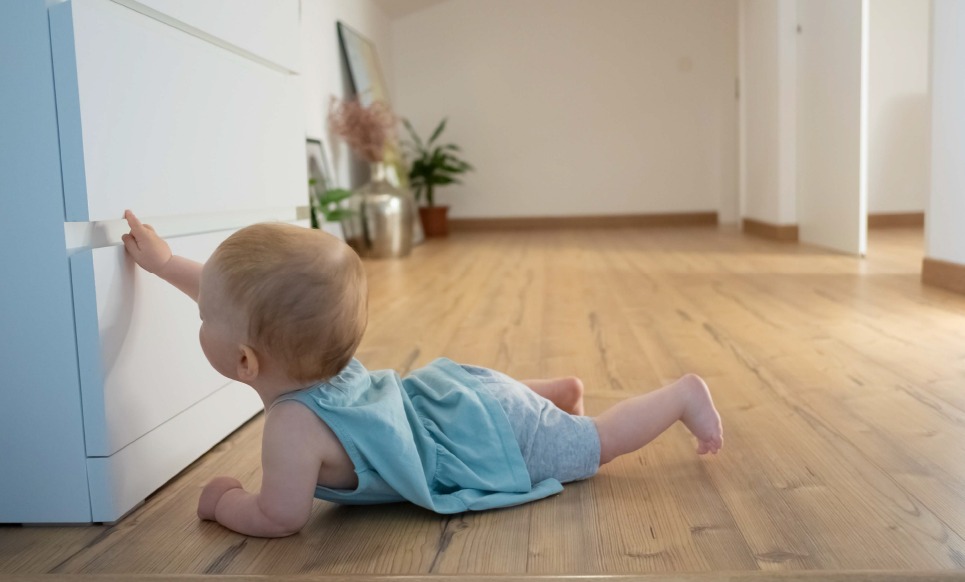
Bringing a baby home changes how you see every corner of your house says McCourt Real Estate Heritage Oaks. What once felt normal can suddenly look full of risks. Sharp edges, loose cords, heavy furniture, and cleaning supplies all become possible hazards once your baby starts to roll, crawl, and pull up.
Many first-time parents think babyproofing can wait until their child is moving. In reality, the safest approach is to prepare early so your home is ready before curiosity kicks in. A room-by-room plan makes the process less stressful and helps you focus on the biggest risks first.
This guide walks through the most important babyproofing priorities in each part of your home so you know what to tackle now and what can wait.
When should first-time parents start babyproofing?
The safest time to begin
Most experts suggest starting babyproofing before your baby can crawl, often around four to six months. Babies learn new skills quickly. One week they are still, and the next they are reaching for everything.
Preparing early means you are not rushing to fix dangers once your baby becomes mobile. It also gives you time to notice hazards you may not have seen before.
Professional vs DIY safety checks
Some parents choose to do everything themselves, while others prefer a full safety review to spot hidden risks. A structured inspection can help identify dangers like unstable furniture, unsafe blind cords, or risky stair layouts. Many families look into professional Home babyproofing services to make sure nothing important is missed, especially in larger homes or multi-level houses.
Living room safety priorities
Secure heavy furniture and TVs
The living room often has the highest tip-over risk. Babies pull themselves up using shelves, cabinets, and TV stands. If these are not secured, they can fall forward.
Anchor bookshelves, entertainment units, and tall cabinets to the wall. Flat-screen TVs should be mounted or strapped securely. Even sturdy furniture can shift when a child climbs.
Cover outlets and manage cords
Electrical outlets attract curious fingers. Use outlet covers or sliding socket protectors. Power strips should be hidden behind furniture or inside safety boxes.
Cords from lamps, chargers, and blinds should be shortened or clipped to the wall so babies cannot pull them down.
Remove choking and pulling hazards
Small objects often collect in living rooms. Coins, batteries, remote controls, and décor items should be kept out of reach.
Houseplants should also be checked. Some common plants can be toxic if chewed. Keep them on high shelves or move them to another room.
Kitchen babyproofing must-dos
Lock cabinets and drawers
The kitchen contains some of the most dangerous items in the home. Install child locks on cabinets that hold cleaning products, sharp tools, or glass dishes.
Drawers with knives or heavy utensils should always be secured. Babies can open low drawers faster than most parents expect.
Oven, stove, and hot surface safety
Burns are a major kitchen risk. Stove guards help block access to hot burners. Always turn pot handles inward so they cannot be grabbed.
If possible, avoid holding your baby while cooking. Hot liquids can spill quickly, and even a small splash can cause injury.
Fridge and bin safety
Fridge doors often hold magnets and small items that can become choking hazards. Keep small magnets out of reach or remove them completely.
Trash bins should have locking lids. Babies love to explore bins, and they often contain sharp or unsafe objects.
Nursery and bedroom safety basics
Safe cot setup
Your baby’s cot should have a firm mattress that fits tightly with no gaps. Avoid pillows, loose blankets, stuffed toys, or bumpers. A simple sleep space is the safest.
Sheets should be fitted and secure so they cannot come loose during sleep.
Changing table and storage risks
Never leave your baby unattended on a changing table, even for a moment. Keep supplies within arm’s reach so you do not have to step away.
Dressers and tall storage units should be anchored to the wall. Babies often climb drawers once they learn to stand.
Monitor cords and blind strings
Blind cords and monitor wires can pose strangulation risks. Use cord winders, clips, or cordless blinds where possible.
Position the cot away from windows so babies cannot reach hanging cords.
Bathroom babyproofing essentials
Prevent slips and falls
Bathrooms are full of hard, wet surfaces. Use non-slip mats inside and outside the bath. Soft tap covers can help reduce injury if your child bumps their head.
Keep floors dry whenever possible to prevent slipping.
Control water temperature
Hot water burns can happen very quickly. Set your water heater to a safe temperature or install anti-scald devices.
Always test bath water with your wrist or elbow before placing your baby in the tub.
Lock medicines and toiletries
Medicines, razors, and cleaning products should be stored in high cabinets with child locks. Never leave these items on counters, even briefly.
Toilet lids can also be secured with simple locks to prevent accidents.
Stairs, hallways, and entry points
Install safety gates correctly
Safety gates should be placed at both the top and bottom of stairs. Hardware-mounted gates are safest for stair tops because they are more secure than pressure-mounted versions.
Check gates regularly to make sure they remain tight and stable.
Door and window safety
Door pinch guards help protect little fingers from getting caught. Window locks or restrictors prevent windows from opening wide enough for a child to climb through.
Even upstairs windows can be dangerous once toddlers learn to climb furniture.
Don’t forget these overlooked risks
Plants, pets, and small household items
Pet food bowls, litter trays, and small toys can all become hazards. Keep pet feeding areas separated from play areas when possible.
Check whether your houseplants are safe for children and move toxic ones out of reach.
Outdoor areas and garages
Garages often store tools, paint, and chemicals. These areas should stay locked or blocked with a gate.
If you have a yard, check fences and gates for gaps or loose latches. Pools should always have secure barriers and locked access points.
Final thoughts: babyproofing is an ongoing process
Babyproofing is not a one-time job. As your child grows, new risks appear. Crawling leads to climbing, and climbing leads to opening doors and drawers you thought were safe.
Walk through your home every few months and look at it from your child’s height. If something looks reachable, assume it will be tested.
Small safety changes now can prevent serious accidents later. With a clear plan and steady progress, you can create a home that feels both safe and comfortable for your growing family.




Post Comment