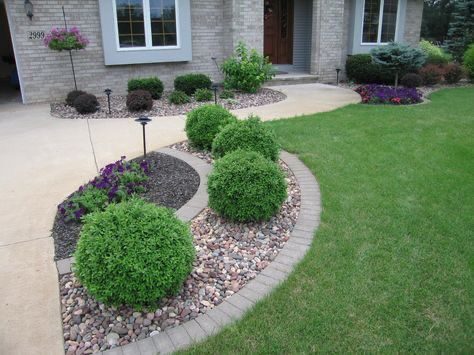
The Pros and Cons of River Rock Landscaping
Have you ever walked along a creek bed and admired how naturally beautiful those smooth stones look? River rock landscaping brings that same natural charm right to your backyard. You’re essentially using nature’s own design elements to create stunning outdoor spaces.
River rocks are smooth, rounded stones that water has naturally polished over thousands of years. These stones typically measure between 1 to 5 inches in diameter, making them perfect for landscaping projects. Their natural aesthetic appeal comes from their organic shapes and earth-tone colors that blend seamlessly with outdoor environments.
When you choose river rock landscaping, you’re mimicking the natural landscapes found along creek beds and shorelines. This creates an authentic, peaceful atmosphere that makes your yard feel like a natural retreat rather than an artificial space.
What is River Rock Landscaping?
River rock landscaping transforms your outdoor space using naturally weathered stones. These materials come from riverbeds where flowing water has smoothed and shaped them over centuries. You’ll find these rocks in various sizes, but the most popular landscaping varieties fall within the 1 to 5-inch range.
The natural aesthetic appeal of river rocks lies in their organic appearance. Unlike manufactured materials, each stone has unique characteristics shaped by nature. You’re working with materials that already look like they belong in outdoor settings.
Your river rock landscape will mimic the natural beauty of creek beds and shorelines. This approach creates outdoor spaces that feel authentic and peaceful, bringing the calming effects of natural water features to your property.
Pros of River Rock Landscaping
Exceptional Durability and Longevity
River rocks offer unmatched durability because of their inorganic nature. Unlike organic mulches that decompose over time, these stones maintain their appearance and function for decades. You won’t need to replace them every few years like you would with wood chips or bark.
Your river rock landscape becomes a truly long-lasting feature. These stones resist weathering from rain, snow, and temperature changes. They stay firmly in place during high winds and heavy rainstorms, unlike lighter materials that blow away or wash out.
Pest resistance is another major advantage you’ll appreciate. Wood-destroying insects like termites and carpenter ants have no interest in rocks, so you won’t face the pest problems that come with organic landscaping materials.
Superior Drainage and Erosion Control
River rocks excel at water management throughout your landscape. The natural gaps between stones allow rainwater to permeate through to the soil below rather than running off. This prevents water from pooling on the surface and causing drainage problems.
Dry creek bed applications showcase river rocks at their best. You can create attractive water channels that handle runoff during storms while looking beautiful during dry periods. These installations direct water flow exactly where you want it to go.
Erosion prevention becomes much easier on slopes when you use river rocks. They reduce the impact of flowing water and hold soil in place. Installing them near downspouts protects your foundation by slowing water flow and preventing soil washout.
Aesthetic Versatility and Curb Appeal
River rock landscaping creates a high-end, sculptured appearance that increases your property value. The polished look of these natural stones gives your yard a professional, well-maintained appearance that impresses visitors and potential buyers.
You’ll find river rocks complement various architectural styles from modern to traditional. Their neutral colors work well with different home designs. Color variety includes grey, tan, burgundy, and blue-black options to match your specific aesthetic preferences.
The smooth, rounded texture of river rocks provides visual contrast with other landscaping elements. They create interesting focal points when paired with plants, creating depth and visual interest that makes your outdoor space more engaging and attractive.
Cons of River Rock Landscaping
Heat Retention and Soil Impact
River rocks have significant thermal mass properties that cause them to absorb heat during sunny days. They continue radiating this stored heat long after the sun goes down. This creates much hotter conditions around your plants than you might expect.
The heat absorption and radiation can cause serious plant stress, especially during summer months. Many plants struggle to survive in these elevated temperature conditions. You’ll find your plant selection becomes quite limited when working around river rock installations.
Soil compaction concerns arise because river rocks don’t contribute nutrients to your garden. Unlike organic mulches that break down and feed the soil, rocks provide no nutritional benefit. The weight of the stones can also compress the soil underneath over time.
Weed Management Challenges
River rocks don’t provide a permanent weed barrier despite what many people believe. Weeds find ways to grow between the stones, and removing them becomes much more difficult than in traditional garden beds. You’ll spend considerable time dealing with unwanted plant growth.
Sediment buildup between rocks creates perfect growing conditions for weeds. Wind-blown dirt, decomposing leaves, and organic matter collect in the gaps. This accumulated material provides nutrients and growing medium for weed seeds to germinate and establish.
Landscape fabric underneath rocks presents its own challenges. The fabric can tear when you try to remove weeds, and using weed removal tools becomes risky. You might damage the fabric or disturb the carefully arranged stone layout during maintenance activities.
Cost and Installation Considerations
River rock landscaping requires a high initial investment that surprises many homeowners. Material costs add up quickly since rocks are sold by the ton or cubic yard. Quality river rocks command premium prices compared to other landscaping materials.
Labor-intensive installation makes this project expensive if you hire professionals. The physical demands of moving and placing heavy stones require significant time and effort. Large projects might need heavy machinery, adding equipment rental costs to your budget.
Removal becomes difficult and expensive if you later decide to change your landscaping. The rocks don’t lose value, but extracting them from established beds requires substantial labor. You’ll need to find ways to dispose of or relocate tons of stone material.
Best Practices and Recommendations
Suitable plant selections become critical for river rock landscaping success. Choose drought-tolerant and heat-resistant varieties that thrive in warmer conditions. Succulents, ornamental grasses, and Mediterranean plants work especially well alongside rock installations. As Ryan, owner of Atlantic Hardscape & Concrete in Fredericton, explains, “River rock landscapes look their best when the plants can handle heat and low moisture, choosing the right greenery from the start saves homeowners a lot of maintenance in future.”
Proper installation techniques ensure your project looks professional and functions correctly. Install landscape fabric before placing rocks, using high-quality materials that resist tearing over time. Creating proper drainage channels and planning the final layout in advance helps the landscape perform well in Fredericton’s changing weather conditions.
Maintenance strategies should focus on preventing weed establishment rather than dealing with overgrowth later. Regular inspections and prompt removal of small weeds prevent bigger problems from developing. Using pre-emergent herbicides designed specifically for rock landscapes can also help reduce weed pressure and keep the area looking clean year-round.
Making Your River Rock Landscaping Decision
River rock landscaping offers impressive durability and visual appeal that lasts for decades. You’ll enjoy superior drainage control and pest resistance that organic materials can’t match. The natural beauty and versatility make these materials suitable for many different landscape designs.
However, you need to consider the heat retention issues and limited plant options. Weed management requires ongoing attention, and the initial costs are substantial. Installation and potential removal present significant challenges that require careful planning.
Your decision should balance these pros and cons against your specific needs and budget. River rock landscaping works best when you understand both the benefits and limitations, allowing you to create realistic expectations and proper maintenance plans.



Post Comment