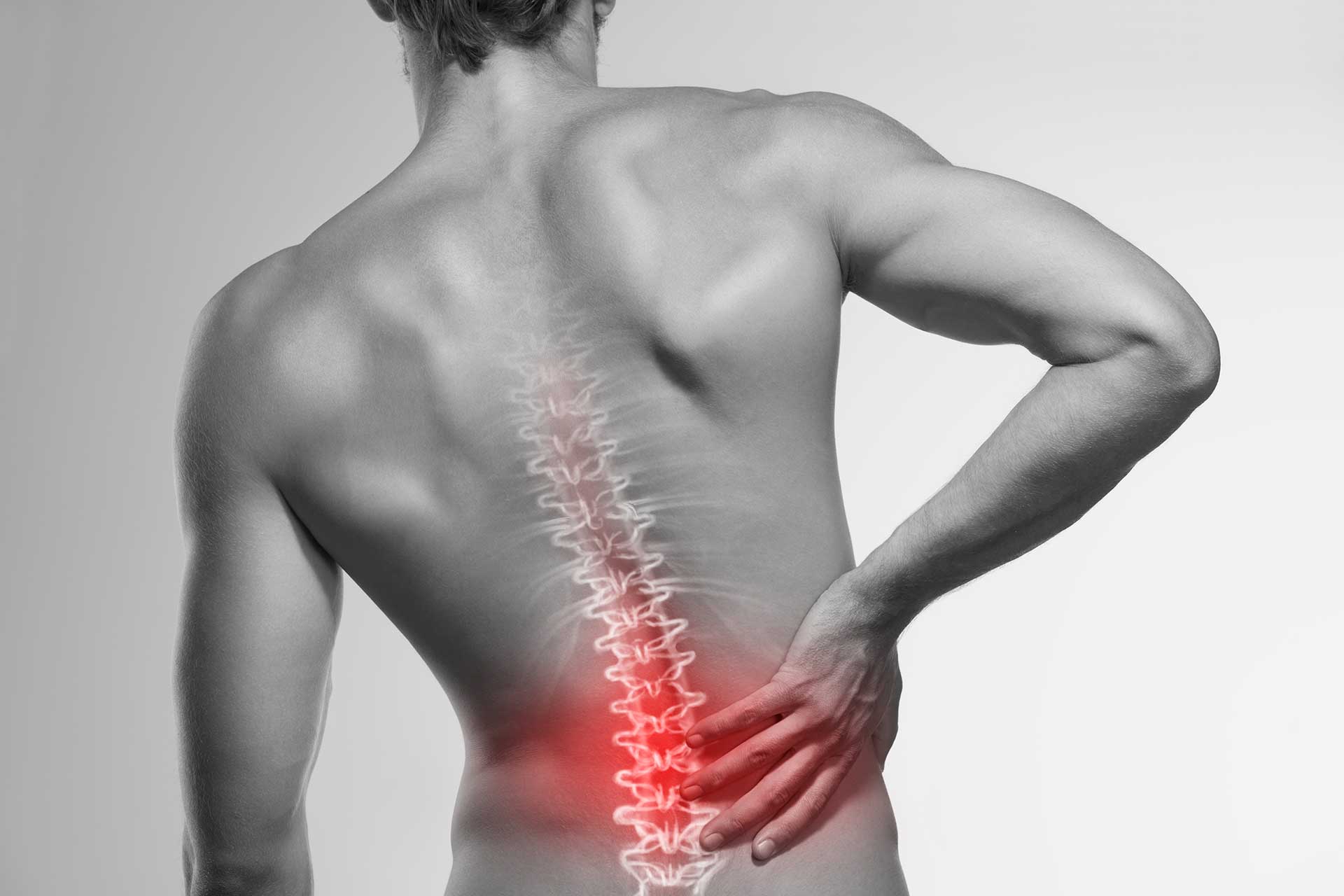
The Real Cost of Living with Chronic Back Pain
Back pain doesn’t just hurt—it reshapes your entire life. What starts as an occasional twinge can spiral into a relentless presence that dictates how you sleep, work, and move through your day. For many New Yorkers, chronic back pain has become an unwelcome companion, affecting not just physical health but mental well-being, career prospects, and personal relationships.
Understanding the full impact of persistent back pain is the first step toward reclaiming your quality of life. This goes beyond the immediate discomfort; it’s about recognizing how pain ripples through every aspect of daily existence and why seeking effective relief matters more than you might realize.
When Pain Becomes Your Daily Reality
Chronic back pain transforms ordinary tasks into extraordinary challenges. Getting out of bed requires careful planning. Standing in line for coffee becomes an endurance test. Even sitting at your desk—something most people take for granted—demands constant adjustments to find a tolerable position.
The unpredictability makes it worse. Some days you wake up feeling manageable; others, you can barely move. This inconsistency makes planning difficult, whether you’re scheduling dinner with friends or committing to important work projects. You start declining invitations, not because you don’t want to go, but because you can’t guarantee you’ll feel well enough when the time comes.
Over time, this physical limitation creates a psychological burden. Frustration builds as activities you once enjoyed become inaccessible. The constant discomfort wears down your patience and energy, affecting your mood and outlook in ways that extend far beyond the physical sensation of pain itself.
The Professional Toll Nobody Talks About
Your career suffers when back pain becomes chronic. Productivity dips as concentration wavers under the weight of persistent discomfort. Tasks that once took an hour now stretch into two or three, with frequent breaks needed to shift positions or stretch.
For professionals working in NYC’s competitive environment, this presents serious challenges. Meetings run long, commutes demand standing or sitting for extended periods, and the pace rarely slows to accommodate physical limitations. Missing work due to pain flare-ups can strain relationships with colleagues and supervisors who may not fully understand the invisible nature of your struggle.
The financial implications add another layer of stress. Medical appointments, treatments, and medications accumulate costs. If pain forces reduced hours or missed opportunities for advancement, income takes a hit precisely when medical expenses climb. This creates a vicious cycle where financial stress exacerbates physical tension, potentially worsening the pain itself.
How Relationships Bear the Burden
Back pain doesn’t just affect you—it impacts everyone around you. Partners take on additional household responsibilities. Social plans get cancelled repeatedly. The spontaneity that keeps relationships vibrant disappears, replaced by careful calculations about what your body can handle.
Explaining chronic pain to others proves surprisingly difficult. The condition lacks visible markers, leading some to underestimate its severity. You might hear well-meaning but unhelpful advice: “Have you tried yoga?” or “Maybe you just need to rest more.” While these suggestions come from a place of care, they can feel dismissive when you’ve already exhausted obvious solutions.
Intimacy suffers too. Physical closeness becomes complicated when certain positions or movements trigger pain. The constant discomfort affects libido and energy levels, creating distance in relationships that once felt effortless. These challenges require open communication and patience from both partners—resources that chronic pain often depletes.
The Sleep Deprivation Spiral
Quality sleep becomes elusive when back pain persists. Finding a comfortable sleeping position takes trial and error, and pain often disrupts sleep throughout the night. You wake up exhausted, which lowers your pain threshold, making the discomfort feel worse. This creates a downward spiral where poor sleep intensifies pain, and pain prevents restorative sleep.
Sleep deprivation compounds other issues. Cognitive function declines, making work more challenging. Mood regulation becomes harder, straining relationships. Your immune system weakens, leaving you more vulnerable to other health issues. The cumulative effect of poor sleep transforms back pain from a localized problem into a systemic health crisis.
Why Generic Solutions Often Fall Short
Drugstore pain relievers and generic stretching routines provide temporary relief at best. While these interventions may dull the pain momentarily, they rarely address underlying causes. Back pain often stems from specific mechanical issues, muscle imbalances, or postural problems that require targeted intervention.
Physical therapy offers more promise but demands consistency and time—commodities in short supply for busy New Yorkers. Sessions require scheduling around work, commuting to appointments, and diligently performing prescribed exercises. When immediate relief doesn’t materialize, frustration can lead to abandoning treatment before it has a chance to work.
Some turn to more invasive options like injections or surgery, but these carry risks and don’t guarantee success. Recovery periods can be lengthy, and outcomes vary widely depending on the specific condition and individual factors. The uncertainty around these more aggressive treatments leaves many hesitant to proceed.
A Different Approach to Back Pain Relief in NYC
Modal pain treatment represents a shift in how chronic back pain gets addressed. Rather than masking symptoms or pursuing invasive procedures, this approach focuses on understanding the specific mechanisms driving your pain and addressing them through targeted, evidence-based interventions.
The methodology involves a comprehensive assessment to identify root causes rather than simply treating symptoms. This might reveal that what you’ve been calling “back pain” actually originates from hip dysfunction, core weakness, or movement patterns that place excessive strain on spinal structures. Understanding these connections allows for precise treatment that targets actual problems rather than guessing at solutions.
Treatment protocols combine manual therapy techniques with corrective exercises designed specifically for your condition. Unlike generic stretching routines, these interventions address your particular biomechanical issues. The hands-on component provides immediate relief while the exercise programming builds long-term resilience, reducing the likelihood of future flare-ups.
What Effective Treatment Actually Looks Like
Successful back pain management requires a partnership between practitioner and patient. Initial sessions focus on thorough evaluation—not just of pain location, but of movement quality, strength patterns, and daily habits that might contribute to discomfort. This comprehensive approach reveals connections that might otherwise be missed.
Treatment progresses through phases. Early interventions prioritize pain reduction and restoring basic function. As discomfort decreases, focus shifts to correcting underlying issues and building capacity. The final phase emphasizes maintenance strategies and education, equipping you with tools to manage your condition independently.
Throughout this process, clear communication matters. Practitioners should explain what they’re doing and why, helping you understand your body and recognize warning signs before minor issues become major problems. This educational component empowers you to make informed decisions about your health beyond clinical appointments.
Moving Beyond Pain
Back pain relief in NYC offers structured, patient-centered treatment plans designed to reduce long-term discomfort and restore meaningful function. Living with chronic back pain does not have to be permanent. While the journey toward relief requires commitment and patience, the alternative—accepting pain as an unchangeable reality—often leads to far greater long-term consequences.
Finding the right approach requires looking beyond quick fixes toward comprehensive care that addresses root causes. For New Yorkers navigating the challenges of chronic back pain, specialized treatment modalities offer a pathway toward genuine relief. The first step is acknowledging that your pain deserves professional attention from practitioners who understand the complexity of musculoskeletal conditions.
You don’t have to live this way. Relief is possible when you pursue treatment designed specifically for your needs rather than settling for generic solutions that barely scratch the surface. Your life—free from the constant shadow of back pain—is waiting on the other side of effective intervention.
Contact Info
Name – Modal Pain
Address – 369 Lexington Ave, Floor 25, New York, NY 10017
Phone – +16462906660
E-Mail – info@modalpain.com
Website – https://modalpain.com/




Post Comment