The Science Behind Muscle Activation: Why Equipment Quality Matters
You’ve invested months training, perfecting your form, and pushing through tough sessions. But have you ever wondered why the same exercise feels completely different on different equipment?
The answer lies in a fascinating area of exercise science: muscle activation. And here’s the truth: not all equipment is created equal. The quality, design, and precision of your gym equipment directly determine how effectively your muscles actually engage during each rep.
This comprehensive guide explores the science behind muscle activation, reveals why equipment quality makes more difference than most people realize, and shows you exactly how to maximize every rep you perform.
Introduction to Muscle Activation Science
To understand why equipment quality matters, you first need to understand what muscle activation really means and why it’s the foundation of training effectiveness.
What Muscle Activation Really Means
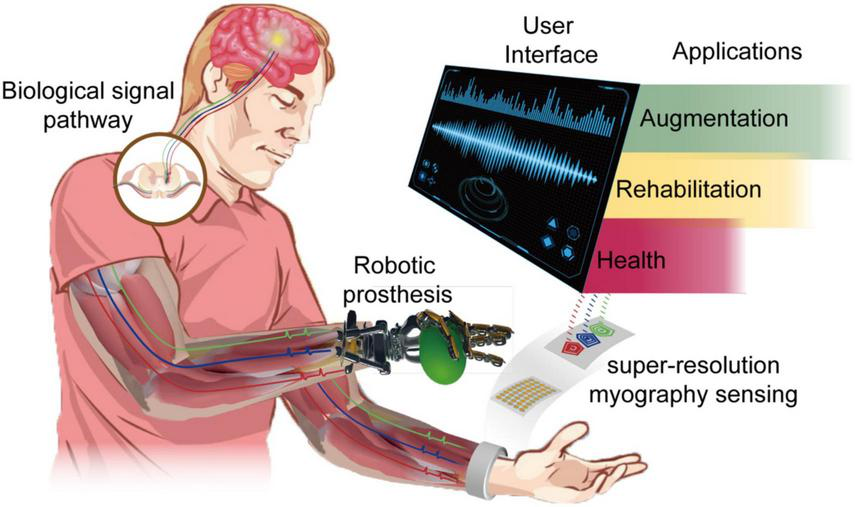
Muscle activation refers to the degree of neuromuscular engagement during an exercise—essentially how many muscle fibers your nervous system recruits and fires during each movement. Surface electromyography (sEMG) has become a cornerstone of muscle function analysis, providing a window into the neuromuscular processes underlying athletic movements.
When you perform a bicep curl, your nervous system sends electrical signals to muscle fibers, causing them to contract. An electromyograph detects the electric potential generated by muscle cells when these cells are electrically or neurologically activated, with the signals analyzed to detect activation level or recruitment order. The more fibers recruited, the greater the muscle activation.
Why does this matter? Because muscle activation directly influences three critical training outcomes: strength development, muscle hypertrophy (growth), and injury prevention. Research shows that the critical factor inducing effectiveness in strength training is the neuromuscular connection by adopting attentional focus during training. Poor activation means wasted reps—you might be going through the motions, but your muscles aren’t being fully stimulated.
Why Equipment Plays a Critical Role
Here’s where equipment quality becomes essential: external resistance and equipment design fundamentally influence whether your muscles activate optimally. Electromyographic analysis can provide information as to the relative amount of muscular activity an exercise requires, as well as the optimal positioning for the exercise.
Think of equipment as the intermediary between your nervous system and the stimulus your muscles receive. Poor equipment creates inconsistent, awkward resistance patterns. Quality equipment creates consistent, biomechanically aligned resistance that maximizes activation throughout the entire range of motion.
The Biomechanics of Effective Training
To truly understand why equipment quality matters, you need to grasp how your body and resistance interact during exercise.
Understanding Movement Patterns and Joint Mechanics
Every exercise involves two fundamental types of movements: compound movements and isolated movements. The strength curve is a concept in biomechanics that describes how the force a muscle generates changes throughout the range of motion of a given exercise, shaped by factors such as mechanical leverage, muscle length, and joint angles.
For example, a barbell squat is a compound movement engaging multiple joints (hips, knees, ankles) simultaneously. A leg extension machine isolates the quadriceps through knee extension alone. Both are valuable, but they create different activation patterns because of their different mechanics.
Proper alignment and joint angles are non-negotiable. When equipment forces your joints into awkward angles or unstable positions, your nervous system prioritizes stabilization over muscle activation. Result: reduced stimulus and increased injury risk. Quality equipment maintains optimal positioning throughout the movement, allowing maximum muscle engagement without compensatory strain.
How Resistance Interacts with the Human Body
Here’s the critical insight: the way resistance changes throughout a movement dramatically affects which parts of the range get trained effectively. A load curve describes how much resistance the exercise setup demands at each point in the range of motion. Many resistance training machines use mechanisms (lever arms, cams, pulleys) intended to alter resistance throughout the ROM in an attempt to match the exercise’s strength curve.
Your muscles aren’t equally strong throughout every movement. You’re stronger in some positions, weaker in others. If resistance remains constant while your strength varies, parts of your range of motion are either overloaded or underloaded—neither optimal.
Resistance Curves and Their Impact on Muscle Growth
This is where the science gets fascinating and where equipment quality becomes absolutely critical.
What Are Resistance Curves?
Cables provide constant tension across the range, while bands and chains add load where free weights lighten up (for example, at the top of squats or presses), and machines with cam systems are designed to match resistance with biomechanics.
There are three primary resistance curve profiles:
- Ascending Curves: The exercise becomes harder as you move toward lockout (example: barbell bench press). You’re weakest at the start, strongest at the top.
- Descending Curves: The exercise is harder at the start and easier at the top (example: pull-ups, leg curls). Your mechanical advantage improves as you complete the movement.
- Bell-Shaped Curves: The exercise is hardest in the middle of the range of motion (example: bicep curls). This aligns with where most muscles have optimal length-tension relationships.
Matching Resistance to Human Strength Curves
Here’s the problem with poorly designed equipment: Although it’s impossible to precisely match strength curves with resistance profiles exactly, since the strength curve changes not only from person to person, but also from rep to rep in a given person, a well-designed exercise should at least reflect the typical strength curve for the intended movement.
When resistance curves don’t match strength curves, the limiting factor becomes whichever part of the movement is worst-matched. If you’re weak at the bottom but the machine is hardest there, you’ll fail before the stronger parts of your range get adequately challenged. Result: incomplete muscle development and reduced growth stimulus.
Well-designed machines optimize tension distribution. A trainee is able to do more mechanical and muscular work in a shorter amount of time when resistance and strength curves match, compared to when they don’t match. This may lead to superior and faster results.
Equipment Design and Its Effect on Muscle Activation
The difference between poorly designed and engineered equipment systems is dramatic.
Poorly Designed Equipment vs Engineered Systems
Cheap equipment often suffers from three critical flaws:
- Inconsistent Tension: Resistance isn’t smooth. You experience jolts, dead zones, and unpredictable resistance changes. Your nervous system can’t predict or optimize the stimulus.
- Awkward Positioning: Handles, seats, and foot platforms don’t accommodate varied body types or natural movement patterns. You’re forced into compromised positions that shift tension away from target muscles.
- Limited Range of Motion: Poor engineering restricts how far you can move, preventing full muscle engagement through the complete range.
Quality equipment eliminates these problems through precision engineering.
Importance of Ergonomics and Adjustability
Resistance curves ensure resistance aligns with natural strength patterns, improving muscle activating reps and reducing joint strain. They ensure resistance is stronger where the body is stronger, and lighter where the body is weaker.
Superior equipment offers adjustability for different body types and anthropometrics. A cable system with 15 height positions, for example, allows lifters of different sizes to find optimal angles. Custom fit means consistent activation, injury prevention, and improved targeting.
How Quality Equipment Enhances Performance
Premium equipment manufacturers engineer every component. Resistance curves do not exist in isolation—they depend on the stability and precision of the machine itself. With welded construction, machines stay aligned and consistent over years of intense commercial use.
Consider BodyKore’s approach: precision engineering creates smooth, consistent resistance through precision-designed cable systems. Plate-loaded machines maintain optimal leverage angles throughout movements. Functional trainers provide variable resistance that accommodates different body types and experience levels. Each system is engineered to maximize activation, not just provide resistance.
Conclusion: Train Smarter with the Right Equipment
The science is clear: equipment quality directly impacts muscle activation, which directly impacts results.
Investment in high-quality, biomechanically engineered equipment delivers measurable returns through superior muscle engagement, reduced injury risk, and accelerated progress. When strength machines are engineered thoughtfully with movement integrity, user safety, and long-term performance in mind, they empower athletes at every stage of their journey.
Whether you’re building a facility or upgrading your home gym, prioritize precision engineering over price tags. Your muscles and your results will thank you.




Post Comment