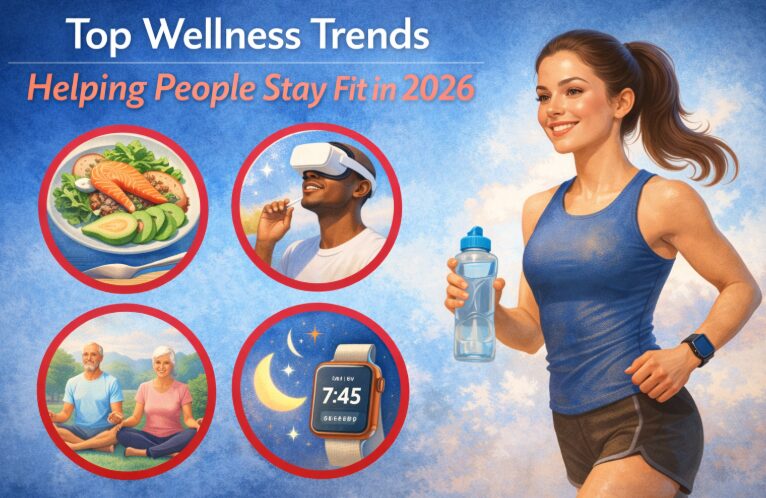
Top Wellness Trends Helping People Stay Fit in 2026
The way people approach health and fitness has shifted dramatically over the last few years. It is no longer just about counting calories or logging miles on a treadmill.
In 2026, staying fit means working smarter, using better tools, and understanding how your body actually responds to different interventions.
For many people, the first step is finding structured weight loss programs nearby that combine medical oversight with personalized treatment rather than relying on generic advice that rarely produces lasting results.
This shift toward medically guided wellness is one of the biggest stories in health right now, and it is only gaining momentum.
The Rise of GLP-1 Medications as a Mainstream Wellness Tool
A few years ago, medications like Semaglutide and Tirzepatide were primarily discussed in endocrinology offices for managing Type 2 diabetes. Today they have become central to how millions of people approach weight management and metabolic health.
GLP-1 receptor agonists work by mimicking a naturally occurring hormone that regulates blood sugar, slows gastric emptying, and signals to the brain that the body is full. The result is reduced appetite, better blood sugar control, and for many patients, significant and sustained weight loss.
The clinical data behind these medications is hard to ignore.
| Medication | Average Weight Loss (Clinical Trials) | Primary Mechanism | FDA Approval Status |
| Semaglutide (Ozempic/Wegovy) | 15 to 17% of body weight | GLP-1 receptor agonist | Approved for weight management |
| Tirzepatide (Mounjaro/Zepbound) | 20 to 22% of body weight | Dual GIP and GLP-1 agonist | Approved for weight management |
| Liraglutide (Saxenda) | 8 to 10% of body weight | GLP-1 receptor agonist | Approved for weight management |
Tirzepatide in particular has drawn significant attention because it targets two hormone receptors simultaneously, producing weight loss results that exceed what was previously thought achievable through medication alone.
Why Medical Supervision Matters More Than Ever
The popularity of these medications has also created a market flooded with unregulated compounded versions and online providers offering prescriptions without proper evaluation. This is where the importance of working with an actual medical practice becomes critical.
Semaglutide and Tirzepatide are powerful medications. They interact with other conditions, affect nutrient absorption, and require dose titration over time to minimize side effects like nausea and gastrointestinal discomfort.
A 2024 report from the American Journal of Medicine found that patients who received GLP-1 medications through supervised medical weight loss programs were 3.4 times more likely to complete a full treatment course and maintain results at the 12 month mark compared to those who sourced medication through unmonitored online channels.
Clinics like Green Relief Health, led by Dr. Lauren Nawrocki, represent exactly the kind of integrated approach that produces those better outcomes. Physician oversight, regular check-ins, and a structured program make all the difference between short term results and sustainable change.
Metabolic Health Takes Center Stage
Beyond weight loss medications, 2026 has seen a broader cultural shift toward understanding metabolic health as a foundation for everything else. Energy levels, sleep quality, cognitive function, and cardiovascular risk are all deeply tied to how well your metabolism is functioning.
Continuous glucose monitors, once reserved for diabetic patients, are now being used by people with no diabetes diagnosis to understand how their diet and lifestyle affect blood sugar in real time.
A 2025 survey by the International Journal of Obesity found that 41% of people using CGM technology for non-diagnostic purposes made meaningful dietary changes within the first 30 days of wearing one.
That kind of real time feedback creates a feedback loop that traditional annual bloodwork simply cannot replicate.
Strength Training Gets a Scientific Upgrade
Cardio dominated the fitness conversation for decades. In 2026, resistance training has taken over as the priority for most evidence-based fitness professionals.
The reason is muscle mass. Beyond aesthetics, skeletal muscle is metabolically active tissue that improves insulin sensitivity, supports joint health, and significantly reduces the risk of age-related decline.
Research published in the British Journal of Sports Medicine found that adults who performed resistance training at least twice per week had a 23% lower risk of cardiovascular disease and a 31% lower risk of all-cause mortality compared to sedentary adults.
| Training Type | Metabolic Benefit | Long Term Bone Density Effect | Insulin Sensitivity Improvement |
| Resistance Training | High | Significant increase | Up to 46% improvement |
| Moderate Cardio | Moderate | Minimal | Up to 28% improvement |
| High Intensity Interval Training | High | Moderate | Up to 38% improvement |
| Yoga and Flexibility Work | Low | Minimal | Up to 12% improvement |
For people using GLP-1 medications, combining treatment with a structured resistance training program has become something of a clinical best practice. Rapid weight loss without muscle preservation leads to a condition known as sarcopenic obesity, where body fat returns after treatment ends but lean muscle mass does not.
Personalized Nutrition Is Replacing One Size Fits All Diets
The era of generic diet plans is ending. In its place, personalized nutrition based on genetic markers, microbiome analysis, and metabolic testing is becoming increasingly accessible.
Companies offering at-home gut microbiome testing have grown significantly in the last two years. Research continues to link microbiome diversity to weight regulation, immune function, and even mood stability through the gut-brain axis.
A 2025 meta-analysis published in Cell Metabolism found that personalized dietary interventions based on microbiome data produced 34% better long term adherence compared to standard caloric restriction guidelines.
This does not mean everyone needs to sequence their genome before eating breakfast. It does mean that understanding your individual biology leads to better choices and better results.
Sleep Optimization as a Non-Negotiable Health Pillar
Sleep science has moved from the fringes of wellness culture to the center of it. The link between poor sleep and weight gain, hormonal disruption, and reduced exercise recovery is now well documented.
Ghrelin, the hormone that signals hunger, increases significantly with sleep deprivation. Leptin, the hormone that signals fullness, decreases. The result is that chronically undersleeping people eat more, move less efficiently, and respond poorly to both diet and exercise interventions.
The CDC reported in 2024 that approximately 35% of American adults regularly get fewer than 7 hours of sleep per night, placing a huge portion of the population in a state of chronic metabolic disadvantage regardless of what else they do for their health.
Wearable sleep tracking technology has improved substantially, giving users visibility into deep sleep cycles, REM patterns, and recovery scores that inform daily training and lifestyle decisions.
Hormone Optimization Is No Longer a Fringe Topic
Conversations around testosterone, estrogen, cortisol, and thyroid function have moved well beyond specialty endocrinology clinics. More primary care and integrative medicine providers are incorporating hormone panel testing into routine wellness evaluations.
For women navigating perimenopause and menopause, hormone therapy combined with GLP-1 medications and resistance training is emerging as a powerful combination for managing body composition changes that previously felt inevitable.
For men, optimizing testosterone through lifestyle and when clinically appropriate through medical intervention is being connected to better metabolic outcomes, improved body composition, and sustained energy.
| Hormone | Effect on Weight When Low | Common Symptoms | Testing Method |
| Thyroid (T3/T4) | Significant weight gain | Fatigue, cold intolerance, hair loss | Blood panel |
| Testosterone | Increased fat accumulation | Low energy, reduced muscle mass | Blood panel |
| Cortisol (chronic elevation) | Increased visceral fat | Anxiety, poor sleep, cravings | Saliva or blood |
| Estrogen (imbalance) | Stubborn fat, bloating | Mood changes, cycle irregularities | Blood panel |
The Integrated Approach Is Winning
What all of these trends share is a movement away from isolated interventions toward integrated, whole-body care. GLP-1 medications work better alongside strength training. Strength training produces better results with optimized sleep. Sleep improves with hormone balance. Hormone balance is supported by nutrition. These systems talk to each other constantly.
The providers who are getting the best results for their patients in 2026 are the ones who understand these connections and treat the person rather than the symptom.
That is the foundation of how modern medical weight loss and wellness care should work. Whether you are starting with a medication like Semaglutide or Tirzepatide, adjusting your training, or addressing sleep and hormones, the key is having a qualified medical team guiding the process at every step.
The tools available today are genuinely better than anything that existed five years ago. Using them wisely, with proper support, makes all the difference.




Post Comment