What Happens If the Property Title Contains an Easement I Was Not Told About?
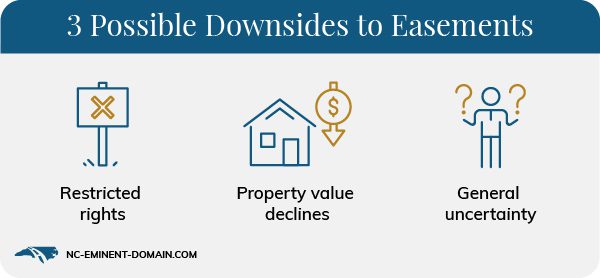
Buying a property often feels straightforward once you’ve agreed on the price and signed the contract, notes Beyond Property Management team. However, many buyers only discover later that the property title contains an easement they were never clearly informed about. This can be frustrating, confusing, and in some cases, financially damaging. An easement can limit how you use the land, affect future renovations, and even reduce resale value.
Understanding what an undisclosed easement means, how it can affect your property rights, and what steps to take if you discover one late is essential for protecting yourself as a buyer.
What Is an Easement and Why Does It Matter
An easement is a legal right that allows another party to use part of your property for a specific purpose. This might include access to neighbouring land, underground services such as sewer or drainage pipes, shared driveways, or utility infrastructure.
Although the land remains yours, the easement holder has enforceable rights. This means you cannot interfere with their access, build over certain areas, or restrict usage even if it inconveniences you. Easements remain attached to the property title, not the owner, so they apply regardless of who buys the property.
When an easement is not clearly disclosed, buyers may only realise its impact after settlement, when plans to renovate, build, or landscape are suddenly restricted.
How an Undisclosed Easement Can Affect Your Property
Easements can have practical and financial consequences that many buyers do not anticipate.
One of the most common impacts is building restrictions. You may be prevented from extending the home, installing structures, or building fences over easement areas. In some cases, even landscaping changes require approval.
Access easements can also allow neighbours, councils, or service providers to enter your land at any time. This can affect privacy, security, and how you use outdoor spaces.
Drainage or utility easements may make you responsible for maintaining access to pipes or infrastructure, even if you don’t directly benefit from them. If repairs are required, you may be unable to object to excavation on your land.
Over time, these limitations can reduce the property’s appeal and complicate future resale, especially if buyers discover restrictions late in the process.
Why Easements Are Often Missed Before Purchase
Many buyers assume that real estate agents or sellers will point out anything significant about the title. Unfortunately, this is not always the case.
Some easements are buried in title documents and not obvious unless they are specifically reviewed. Buyers who rely solely on marketing materials, verbal explanations, or contract summaries may never see the full picture.
Another common issue is rushing the purchase process. In competitive markets, buyers often skip thorough checks to secure the property quickly. Without professional review, easements can easily be overlooked.
In some cases, buyers receive title information but don’t fully understand the technical language or diagrams involved. This leads to misunderstandings about what the easement actually affects.
What to Do If You Discover an Easement Late
If you find out about an easement after signing the contract or close to settlement, the situation depends on timing and disclosure obligations.
Before settlement, you may be able to raise concerns, renegotiate terms, or seek legal advice on whether the lack of disclosure is significant enough to take action. After settlement, your options may be more limited, but legal remedies can still exist in certain circumstances.
The key is to act quickly and get professional guidance rather than assuming nothing can be done.
The Role of a Conveyancing Lawyer
A conveyancing lawyer plays a critical role in identifying easements before they become a problem. Their job is not just to process paperwork, but to review title searches, interpret easement diagrams, and explain how restrictions affect your intended use of the property.
They can advise whether an easement is standard and manageable or whether it poses serious limitations. If an easement was not properly disclosed, they can also advise on potential legal options, including contract rescission or compensation in limited cases.
Importantly, they translate complex legal language into practical advice, allowing buyers to make informed decisions before committing financially.
Why a Property Inspection Still Matters
While easements are legal matters, a property inspection provides valuable insight into how an easement affects real-world use of the property.
Inspectors can identify physical indicators such as access points, drainage paths, service covers, or shared driveways that align with easement locations. This helps buyers understand how visible and disruptive the easement might be.
For example, an easement that runs beneath a driveway may restrict future construction, while one along a boundary could impact fencing or landscaping. Inspections highlight these practical limitations that are not always obvious on paper.
Together, legal review and inspection create a complete picture of risk.
Long-Term Risks of Ignoring Easements
Failing to understand an easement can lead to disputes with neighbours, councils, or utility providers. You may face enforcement action if you unknowingly build over an easement or block access.
Unexpected repair works can also arise. If infrastructure beneath your land needs maintenance, you may be required to allow access and tolerate disruption without compensation.
Over time, these issues can become costly, stressful, and difficult to resolve, especially if buyers feel misled during the purchase process.
How to Protect Yourself Before Buying
Buyers can reduce risk by taking a structured approach before committing to a property.
Always ensure title searches are completed and reviewed in full. Ask direct questions about easements, rights of way, and restrictions rather than assuming none exist.
Engage a conveyancing lawyer early, not after contracts are exchanged. Pair legal checks with a property inspection so both legal and physical limitations are identified.
If anything is unclear, pause the process. Clarifying easements before purchase is far easier than dealing with their consequences later.
Conclusion
Discovering an easement you were not told about can be unsettling, but it doesn’t have to derail your property plans if handled early and correctly. Easements can affect how you build, access, and use your land, making them a critical consideration for any buyer.
Working with a conveyancing lawyer to review title documents and arrange a property inspection to assess the practical impact ensures there are no hidden surprises. Skipping these steps may save time upfront, but it often leads to disputes, limitations, and unexpected costs later.
When it comes to property purchases, understanding easements early is not optional. It is essential protection for your investment.



Post Comment