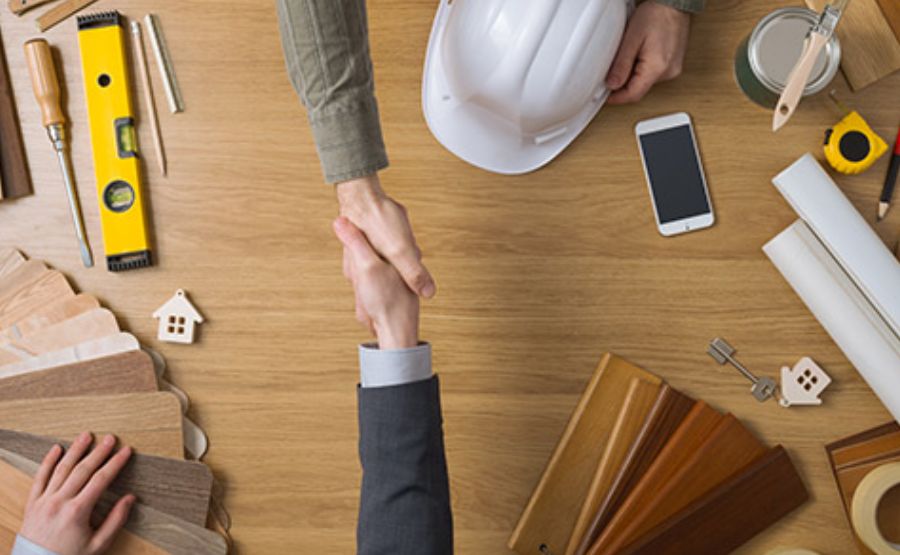
What Should You Look for in a Home Construction Partner?
My neighbor Frank spent eighteen months building his dream house. Eighteen months of arguments, delays, and change orders that multiplied like rabbits. The final straw? His contractor showed up drunk to install the kitchen cabinets. Upside down.
Frank’s story isn’t unique, but it doesn’t have to be yours.
The conversation that changes everything
Here’s what separates good builders from disasters waiting to happen: how they talk about problems. Not if problems will arise (they will), but how they’ll handle them when they do.
A reliable partner doesn’t promise perfection. They promise communication. “When we hit a snag with the electrical rough-in,” they might say, “here’s exactly how we’ll keep you informed.” Notice the “when,” not “if.”
This mindset reveals something deeper. Professional builders understand that construction is controlled chaos. Amateur ones pretend it’s a smooth assembly line.
Money talks, but timing screams
Look, everyone wants to know about cost upfront. But honestly? The most expensive mistake isn’t overpaying. It’s underpaying for someone who disappears halfway through your project.
Instead of fixating on the lowest bid, watch how they handle your timeline questions. Do they give you a vague “12-16 weeks” or do they walk you through their scheduling process? Quality builders understand that your life doesn’t pause for construction. They plan around school years, family events, weather patterns.
The math changes when you realize that a builder who finishes two weeks early (even at a higher price) often costs less than one who drags the project out for months.
References that actually matter
Every builder has references. Most people ask the wrong questions when they call them, though.
Don’t ask “Are you happy with your house?” Of course they are. It’s their house. Ask this instead: “What would you do differently if you built again?” That question unlocks honest feedback about working relationships, not just end results.
Better yet, ask to see a project currently under construction. Not the finished showcase home, but something mid-build. How clean is the jobsite? Are materials organized or scattered? Do workers acknowledge you when you walk through?
These details telegraph how your project will actually feel day-to-day.
When evaluating builders, pay attention to how they present their past work. Established Guernsey County OH home builders typically have extensive portfolios and long lists of local references because they’ve built their reputation over years of consistent quality work. That kind of local track record is worth its weight in gold.
The licensing maze (and why it matters less than you think)
I wish I could tell you that proper licensing guarantees a good builder. It doesn’t. But improper licensing almost guarantees problems.
Here’s what makes this tricky: licensing requirements vary wildly by state and even by county. Some places require extensive training and bonding. Others? You could probably get licensed by filling out a form in crayon. Your job isn’t to become an expert in construction law. Your job is to verify that your builder meets whatever requirements exist where you’re building.
Insurance matters more than people realize. General liability covers accidents. But does their policy include completed operations coverage? That protects you if something they built fails later.
Most homeowners never think to ask until it’s too late.
Trust your gut, but verify everything else
Chemistry matters in this relationship. You’ll be talking to this person constantly for months. If they irritate you during the sales process, that won’t magically improve when pressure mounts during construction.
Don’t let personality override substance, though. The most charming contractor in town might also be the one who cuts corners when you’re not looking.
Here’s my litmus test: Ask them to explain their warranty policy in detail. Not just “we warranty our work” but specifically what’s covered, for how long, and what the process looks like if something goes wrong. Their answer tells you whether they stand behind their work or just talk a good game.
Building a house is like conducting an orchestra where half the musicians showed up late and the other half brought the wrong sheet music. You need a conductor who can turn that chaos into something beautiful.
The right partner doesn’t just build your house. They protect your sanity while doing it.

Post Comment