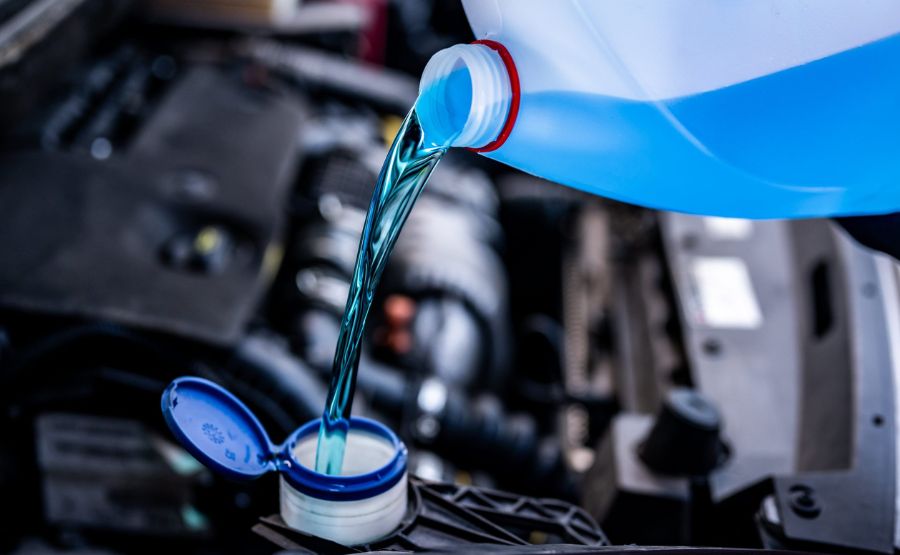
Why Antifreeze Matters More Than You Think for Engine Protection
When most drivers think about vehicle maintenance, they often focus on oil changes, brakes, or tires. While those are all critical, one of the most important—and commonly overlooked—fluids in your vehicle is antifreeze. Also known as coolant, antifreeze plays a vital role in protecting your engine from both extreme heat and freezing temperatures.
Without proper coolant levels and condition, your engine is at risk of overheating, corrosion, and long-term damage. Regularly maintaining your antifreeze ensures your vehicle operates efficiently and avoids costly repairs.
Understanding how antifreeze works and why it matters can help you take better care of your engine and extend the life of your vehicle.
What Antifreeze Does for Your Engine
Antifreeze is designed to regulate your engine’s temperature, keeping it within a safe operating range regardless of external conditions. It circulates through the engine and radiator, absorbing heat and dissipating it to prevent overheating.
One of its primary functions is heat management. As your engine runs, it generates a significant amount of heat. Antifreeze absorbs this heat and carries it away from critical components, preventing damage caused by excessive temperatures.
In colder conditions, antifreeze also prevents the coolant from freezing. Water alone would freeze in low temperatures, potentially cracking engine components. Antifreeze lowers the freezing point, ensuring your engine remains protected even in extreme cold.
Another important role is corrosion prevention. Antifreeze contains additives that protect metal components within the cooling system from rust and corrosion. Over time, these additives can break down, which is why regular replacement is necessary.
Antifreeze also helps maintain proper pressure within the cooling system. This allows the coolant to operate efficiently at higher temperatures without boiling, further enhancing engine protection.
While antifreeze is critical, it works alongside other fluids to keep your vehicle running smoothly. For example, maintaining systems that rely on power steering fluid ensures overall vehicle performance remains balanced, reducing strain on the engine.
It’s also important to understand that not all antifreeze is the same. Different vehicles require specific types, and using the wrong one can reduce effectiveness or cause compatibility issues. Always refer to your vehicle’s specifications when selecting coolant.
Risks of Low or Old Coolant
Neglecting antifreeze maintenance can lead to serious engine problems. Low or degraded coolant reduces the system’s ability to regulate temperature, increasing the risk of overheating.
One of the most immediate risks is engine overheating. Without enough coolant, heat cannot be properly dissipated, causing temperatures to rise بسرعة. Overheating can lead to warped components, blown head gaskets, and even complete engine failure.
Old coolant presents another issue. Over time, antifreeze breaks down and loses its protective properties. This reduces its ability to prevent corrosion and maintain proper temperature control. Contaminated coolant can also carry debris through the system, causing blockages or damage.
Corrosion is a major concern when antifreeze is not properly maintained. Without effective additives, metal components within the cooling system can begin to rust. This can lead to leaks, reduced efficiency, and costly repairs.
Low coolant levels can also introduce air into the system, creating hot spots that increase the risk of damage. These air pockets disrupt the flow of coolant and reduce its effectiveness.
In addition, poor coolant maintenance can affect other systems. An overheating engine puts extra strain on various components, potentially leading to additional issues over time.
While coolant is the focus, maintaining other fluids—such as those found in systems that rely on antifreeze compatibility and performance—helps ensure your vehicle operates as a whole.
Regularly checking coolant levels, inspecting for leaks, and replacing antifreeze at recommended intervals are essential steps in preventing these risks.
Conclusion
Antifreeze is one of the most important fluids in your vehicle, yet it’s often overlooked. From regulating temperature to preventing corrosion, it plays a critical role in protecting your engine.
Neglecting coolant maintenance can lead to overheating, component damage, and costly repairs. By staying proactive and ensuring your antifreeze is in good condition, you can avoid these issues and keep your engine running efficiently.
In the end, maintaining your coolant system is a simple but powerful way to protect your vehicle. A small investment in regular checks and timely replacements can make a big difference in performance, reliability, and long-term engine health.




Post Comment