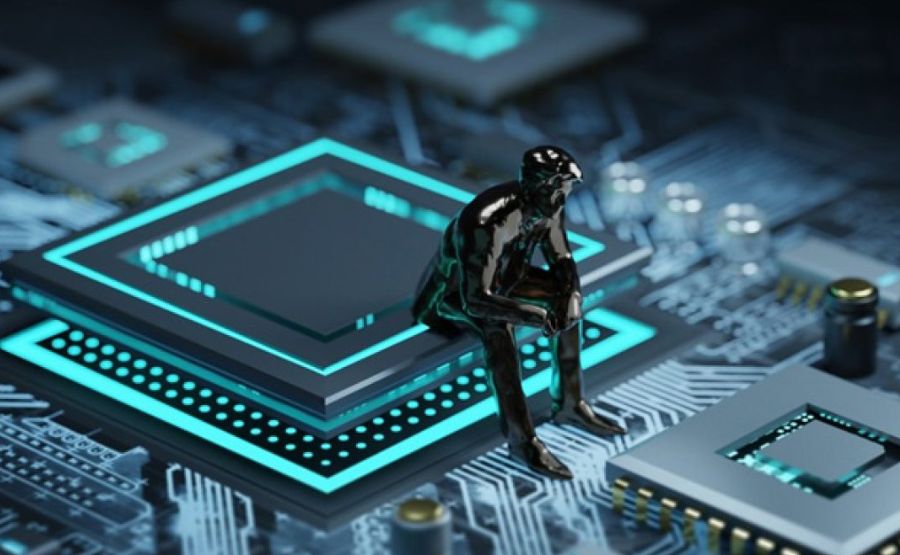
Why are embedded chipsets important for specialized systems?
Three weeks ago, I watched an engineer frantically troubleshoot a manufacturing robot that had been running perfectly for eighteen months. The culprit? A consumer-grade processor that finally buckled under the relentless 24/7 operation. “We saved $200 on the chipset,” he muttered while the entire production line sat idle. That $200 decision cost them roughly $15,000 in downtime.
This genuinely frustrates me. Not the engineer’s choice—procurement pressure is real—but the short-sighted thinking that treats all processors as interchangeable commodities. Because embedded chipsets aren’t just fancy consumer chips in industrial clothing. They’re fundamentally different beasts.
What makes a processor “embedded” anyway?
Most people think about processors through the lens of their laptops or phones. Faster! Shinier! More cores! But specialized systems operate in a completely different universe. They’re the medical devices monitoring patients, the controllers managing power grids, the navigation systems threading aircraft through storms. These systems aren’t upgrading every two years—they’re expected to run for decades without so much as a hiccup.
Consumer chips, with their relentless march toward obsolescence, are designed like seasonal fashion. Manufacturers want you buying new hardware every few years. That makes perfect business sense for smartphones. For a system controlling subway signals? Catastrophic.
The invisible workhorses
I’ve seen companies spend months trying to cobble together separate components that should have been integrated from day one. A processor here, some random graphics controller there, an I/O module they found on a distributor’s clearance page. It’s like building a Formula 1 car with parts scavenged from three different junkyards and wondering why it keeps exploding on the track.
Embedded chipsets solve this by putting everything you need in one harmonious package. The processor, graphics, memory controller, and various I/O functions all designed to work together from the ground up. No compatibility Russian roulette. No thermal mismatches that turn your control cabinet into a space heater.
When you’re designing a system that controls industrial automation or manages critical infrastructure, you want components that were literally made for each other. The AMD embedded chipset exemplifies this approach, integrating multiple functions while maintaining the reliability standards that specialized applications demand.
The reliability factor
But integration is just the appetizer.
Consumer processors undergo testing for maybe five years of typical use—some Netflix, occasional gaming, plenty of sleep modes. Embedded chipsets endure validation torture that would make consumer electronics weep. Temperature swings that range from Arctic tundra to desert furnace. Vibration tests that simulate earthquakes. Electromagnetic interference that mimics standing next to a radio transmitter. All while maintaining flawless operation.
Consider automotive applications, where failure isn’t just inconvenient—it’s potentially lethal. Your car’s engine management system can’t blue-screen when you’re merging onto the highway at 70 mph. The chipset controlling that system has been tested at temperatures that would shut down most consumer electronics, in environments crackling with electrical noise from alternators, ignition systems, and every other electromagnetic demon under the hood.
Medical devices face even more draconian requirements. An embedded system monitoring vital signs in an ICU needs to maintain microsecond precision and unwavering responsiveness for years without maintenance windows.
Long-term thinking in a quarterly world
The economics become fascinating when you factor in lifecycle costs. Embedded chipsets cost more upfront, sometimes painfully more. But here’s the paradox: when you’re building a system with a ten or fifteen-year service life, that initial price difference dissolves into statistical noise compared to the crushing cost of unexpected failures.
There’s a company I know that manufactures environmental monitoring stations for locations so remote they make Antarctica look accessible. These systems sit in places where helicopter access costs more than most people’s annual salary. They learned their lesson the expensive way.
Saving money on chipsets meant dispatching technicians to places that Google Maps doesn’t even acknowledge exist. Now they spec embedded solutions exclusively. Higher upfront cost? Absolutely. But their field failure rate plummeted by 80%. The CFO stopped griping about component costs after calculating the true cost of those helicopter service calls.
The beautiful boredom of embedded systems
Here’s something that might sound heretical: embedded chipsets will never make headlines. They’re not pushing the boundaries of gaming performance or training the next generation of AI models. Instead, they’re optimized for unsexy virtues—stability over raw speed, longevity over bleeding-edge features, predictability over innovation.
This might sound boring. And you know what? It is. Gloriously, beautifully boring.
Because when your system keeps the lights on across three time zones, monitors the structural integrity of bridges, or ensures that dialysis machines deliver precise treatments, boring becomes the most valuable characteristic imaginable. Boring means it works. Every single time. Without drama, without surprises, without making anyone’s phone ring at 3 AM.
The next time someone questions the cost of proper embedded components, show them the math on that idle manufacturing line. Sometimes the most expensive choice is actually the cheapest decision you can make.



Post Comment