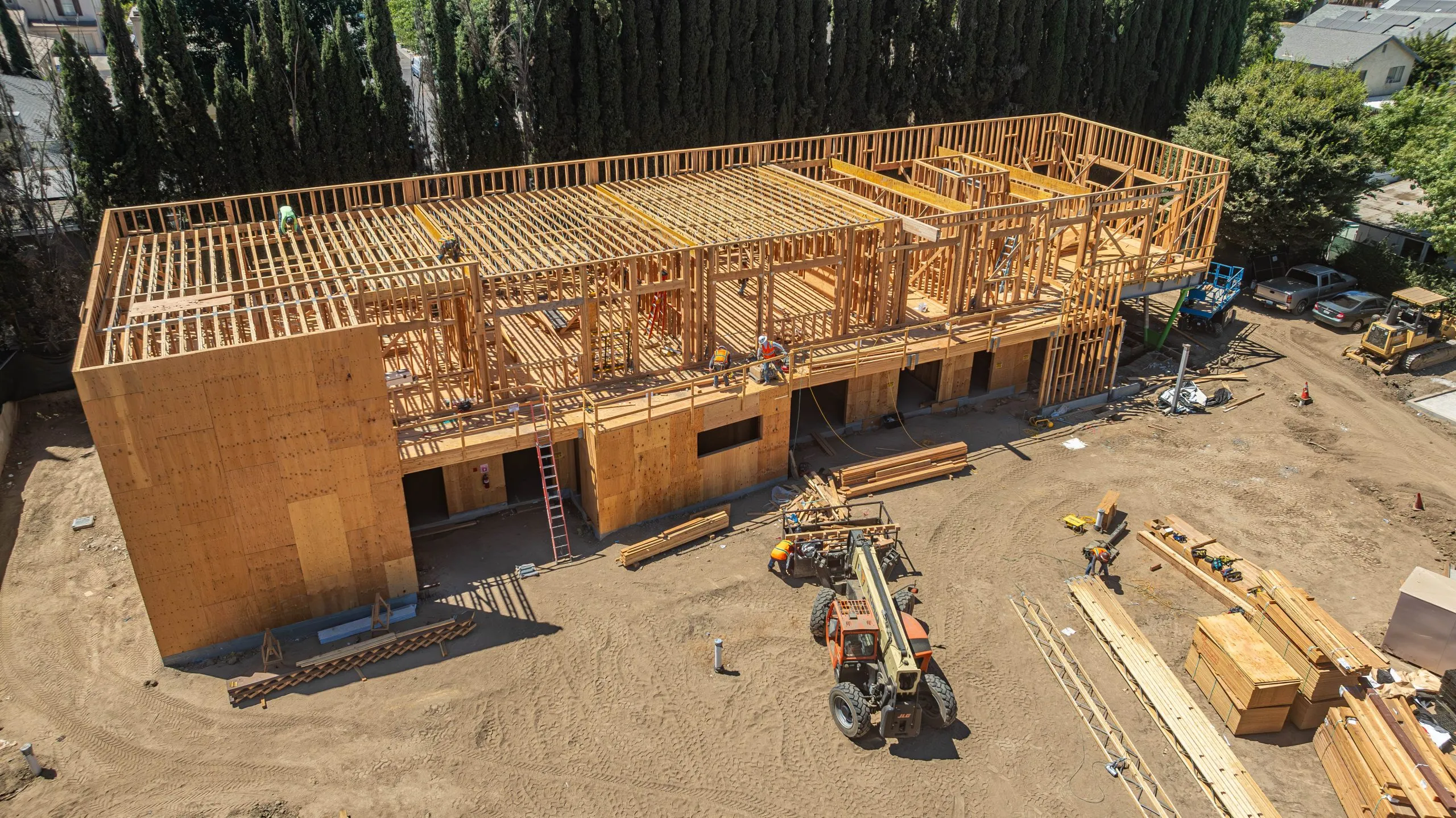
Why Framing Contractors Need an Exact and Accurate Material List for Every Framing Project
In the construction industry, framing is the backbone of any building. Whether it’s a single-family home or a large commercial structure, the framing stage sets the tone for everything that follows. Yet one of the most common mistakes framing contractors make is starting a project without a precise and complete material list. This small oversight can lead to big problems — cost overruns, project delays, and strained relationships with material suppliers.
So why does an accurate material list matter so much? Let’s break it down.
The Real Cost of Guesswork
Many framing contractors, especially smaller operations, still rely on rough estimates when ordering lumber and structural materials. They pull numbers from memory, use old project data, or simply guess based on experience. While experience is valuable, guesswork is expensive.
When a contractor underestimates materials, work stops on the job site. Workers stand idle. Equipment sits unused. The general contractor gets frustrated. And the framing contractor has to place an emergency order — often paying a premium price for rushed delivery.
On the flip side, overestimating means paying for lumber that never gets used. Wood sits on the site, gets damaged by weather, or goes to waste. Either way, the contractor loses money.
This is why professional lumber takeoff services have become such an important tool in the modern construction workflow. Instead of guessing, contractors get a detailed, item-by-item breakdown of every piece of wood, hardware, and fastener needed for a project — before a single nail is driven.
What Material Suppliers Need From You
Material suppliers in the United States work with dozens, sometimes hundreds, of contractors at a time. They are managing inventory, coordinating deliveries, and keeping their own operations running smoothly. When a contractor calls in with a vague order like “I need about 200 studs and some headers,” it creates problems on both ends.
Suppliers need specific quantities, dimensions, grades, and species of lumber to pull the right stock. Without a clean material list, they may substitute products, send wrong sizes, or delay your order while they clarify the details. A complete and accurate list makes their job easier — and yours too.
This is especially true for larger framing jobs involving engineered lumber, LVL beams, or specialty wood products that may not be stocked in large quantities. Giving your supplier a well-organized list in advance allows them to plan, reserve stock, and even offer better pricing.
How Accurate Takeoffs Protect Your Profit Margin
The profit margin in framing contracting is already thin. Labor costs are high, lumber prices in the U.S. have been volatile in recent years, and competition for bids is fierce. One way to protect your bottom line is to get your material quantities right from the start.
A proper wood framing takeoff considers every wall, floor system, roof structure, and opening in the building plans. It accounts for waste factors, regional building codes, and structural requirements. When done correctly, it removes the uncertainty from your material budget and gives you a number you can actually build a bid around.
Contractors who use accurate takeoffs consistently come in closer to their estimated costs. They win more bids because their numbers are competitive but not reckless. And they build stronger relationships with suppliers because they order consistently and reliably.
Avoiding Scope Creep and Change Orders
One major headache on any framing project is scope creep — small changes that pile up and throw off the original plan. While some change orders are unavoidable, many are caused by poor planning at the material stage.
When a contractor has a precise material list tied directly to the architectural drawings, it becomes much easier to identify when something has changed. If the architect adjusts a wall layout or adds a dormer, the updated takeoff immediately shows what additional materials are needed. This keeps communication clear between the contractor, the general contractor, and the owner.
Without this level of detail, changes get absorbed silently into the project until the contractor realizes they’ve run out of material — or money.
Final Thoughts
For framing contractors working across the United States, accuracy is not a luxury — it is a competitive advantage. Material suppliers, general contractors, and project owners all depend on you to manage your scope of work professionally. An exact material list is the foundation of that professionalism.
Whether you handle takeoffs in-house or work with a third-party estimating team, the goal is the same: know exactly what you need before the project begins. It saves time, protects your margins, and keeps every party in the supply chain working smoothly together.
In a business where the details matter, getting your material list right is one of the most important things a framing contractor can do.




Post Comment