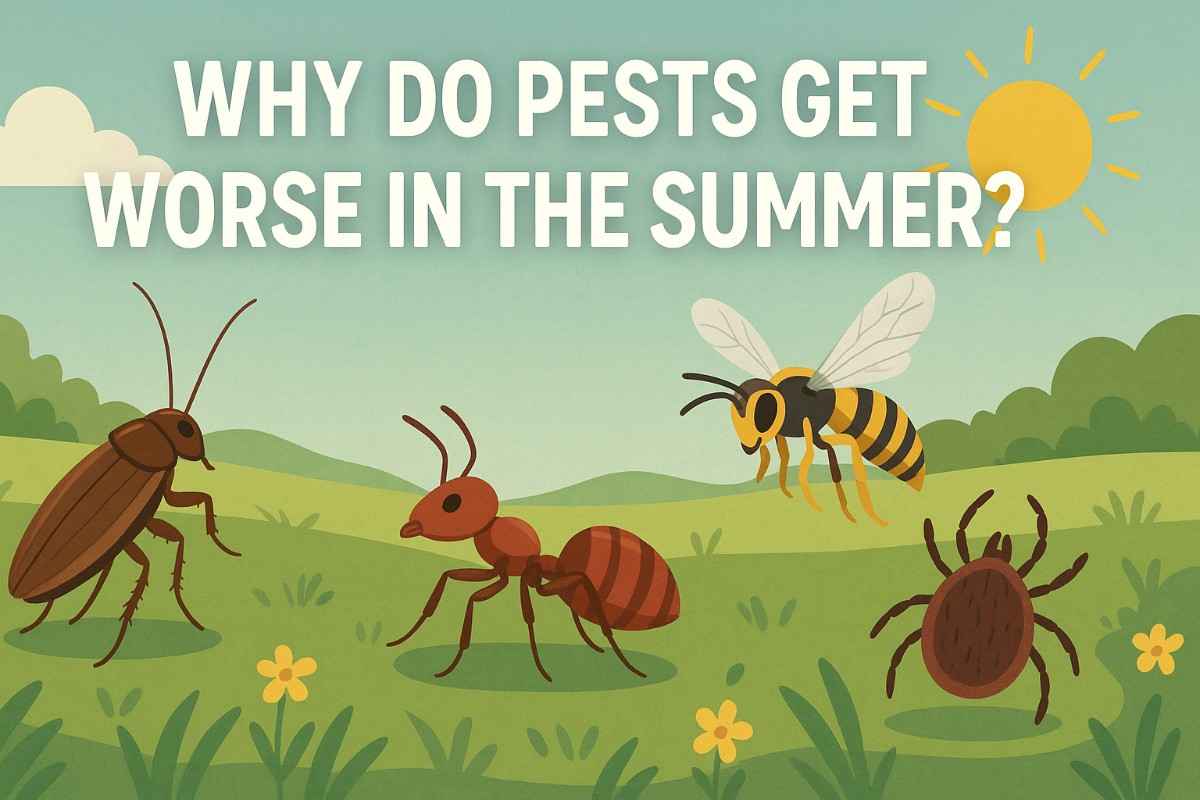
Why Pests Are Harder to Control in Summer
Summer arrives with sunshine, backyard barbecues and longer evenings, but for many homeowners, it also brings a familiar frustration: pests seem to appear everywhere. You might have barely noticed insects during cooler months, but once temperatures rise, you suddenly find ants in the kitchen, insects buzzing around outdoor furniture and critters seeking shelter indoors. This isn’t just a coincidence, the warm season creates near-ideal conditions for a wide range of pests to thrive, multiply and move into homessays Connecticut Property Management. Understanding why this happens is the first step in managing the seasonal surge and preventing small problems from turning into full-blown infestations.
Why Heat Speeds Up Pest Activity
Most pest species, from insects to rodents, are poikilothermic, meaning their body temperature and activity levels depend on the surrounding air. Warm weather accelerates their metabolism, movement and reproduction. In simple terms, heat makes pests more active and faster-breeding. Summers often come with warmer, more humid conditions, plenty of food sources and longer daylight hours, all of which help pests find nourishment, reproduce sooner and expand their populations faster than in winter.
Warm weather also extends the window during which pests actively forage for food, water and mates. Cockroaches, ants, flies and other insects take advantage of long daylight hours to search further and reproduce repeatedly, often unseen until the population is already established.
Cockroaches Thrive in Warm, Humid Conditions
One of the most common pests in summer is the cockroach. Warm, humid environments, like kitchens, laundries and bathrooms, give cockroaches the ideal conditions to survive and breed. They prefer moist places and are exceptionally resilient, meaning even a small number of roaches can quickly multiply into a large infestation if left unchecked.
In summer, basic home conditions like open doors, food scraps around outdoor eating areas and water left in pet bowls only make this situation worse. Not only do these environments provide the moisture and food cockroaches seek, but the heat accelerates their reproductive cycle, so populations grow much faster than during winter. Many homeowners with recurring sightings soon realise that simple DIY measures aren’t enough and begin considering cockroach pest control to manage the infestation effectively.
Why Are Wasps Becoming More Aggressive in Summer
Warm weather doesn’t just increase numbers, it changes behaviour too. Wasps, for instance, are among the most noticeable pests in summer, and their activity peaks as nests grow larger and colonies mature. Over the warmer months, wasp colonies expand rapidly due to easier access to food sources like sweet drinks, fruits and outdoor garbage.
As colonies grow, worker wasps become more defensive of their territory, making them far more likely to sting when disturbed. This shift often coincides with outdoor dining and social gatherings, increasing the risk of painful encounters. Because wasps can build nests in hard-to-reach places like roof eaves or wall cavities, attempting removal without professional expertise is risky. Many homeowners find that engaging a wasp exterminator is the safer choice when dealing with nests near living spaces.
Open Homes Create Easy Entry Points
Summer habits make it easier for pests to come inside. Doors and windows are left open more often for airflow, and screens may have unnoticed gaps that become convenient entry points. Outdoor dining and picnics inevitably leave crumbs, spills and food scraps around, attracting pests to yard areas that lead directly inside. Even if your home is spotless, accessibility plays a major role: pests exploit the easiest routes they can find.
This ease of access is compounded by increased outdoor moisture and vegetation growth, which can draw pests closer to the house before they ever cross the threshold. Once pests establish themselves near your walls or roofline, they naturally seek shelter and food indoors.
Outdoor Changes That Push Pests Indoors
Environmental factors during summer also encourage pests to move closer to, and into, homes. Dry weather can force insects to search for water sources inside, such as leaky pipes or pet bowls. Storms can disturb nests or burrows, pushing pests into new areas. Overgrown gardens and lawn clutter provide ideal hiding places, creating a bridge between outdoor pest habitats and your living spaces.
Once pests are nearby, open entry points and favourable conditions inside, warmth, moisture and food – make it easy for them to take up residence. The result is infestations that seem to appear “out of nowhere,” even though the factors contributing to them have been building up for weeks.
Why DIY Methods Often Struggle in Summer
One of the biggest frustrations for homeowners is that typical DIY pest efforts, sprays, traps and repellents often fail in summer. These products may kill individual pests that are visible, but don’t address the root of the problem: breeding sites, nest locations or hidden colonies. Pests like cockroaches and wasps have complex habitats, and rapid breeding in warm conditions means that simply killing a few adults does little to reduce the overall population.
Moreover, disrupting a colony without proper planning can cause pests to scatter deeper into the home in search of new harborage, making control even more difficult. Summer’s accelerated reproduction rates often outpace the slow impact of basic DIY treatments, leading to recurring problems and frustration.
Why Early Summer Action Makes a Difference
The good news is that early action can make pest control more effective and less stressful. Addressing pest activity before colonies expand and spread makes infestations easier to manage. This can include sealing gaps around windows and doors, trimming vegetation near entry points and eliminating standing water that attracts moisture-loving insects.
By acting early, nesting activity can be disrupted before it becomes established, keeping populations lower and reducing the risk of repeated problems throughout the season. Waiting until pests are widespread not only makes control more difficult but usually leads to higher treatment costs and greater disruption.
Practical Ways Homeowners Can Reduce Summer Pest Pressure
There are several practical steps homeowners can take to reduce pest pressure throughout the summer. These don’t replace professional treatment when needed, but they help make your property less inviting to pests: keep bins securely closed, fix any damaged flyscreens or vents, reduce standing water sources around the yard, and trim vegetation near entrances. Monitoring early signs of pests, such as small trails of insects or nesting activity near eaves, makes it easier to respond before populations explode.
Effective prevention means attention to everyday habits and regular property maintenance, combined with professional advice when infestations go beyond simple fixes.
Closing – Summer Doesn’t Have to Mean Living With Pests
Summer creates ideal conditions for pests, from heat-accelerated breeding and abundant food sources to increased access points into homes, but it doesn’t have to spell a season of ongoing infestations. Understanding why pest activity increases and responding early with the right prevention and control measures can stop a seasonal nuisance from turning into a larger ongoing issue.
While pests are naturally more active in the heat, recognising the environmental and behavioural triggers helps you stay ahead of them and maintain a comfortable, pest-reduced home throughout the warmer months.
FAQs
Do pests really become more active in summer?
Yes. Warm temperatures speed up pest breeding cycles, increase foraging activity and provide abundant food and moisture, which in turn leads to larger pest populations during summer months.
Why do cockroaches seem more common in summer?
Cockroaches thrive in warm, humid environments and reproduce rapidly when conditions are favourable. They’re also more likely to enter homes seeking food and moisture during hotter weather.
Are wasps more dangerous in summer?
Yes. Wasps build larger nests and become more protective of their colonies as summer progresses, making them more likely to sting if disturbed.
Can opening doors and windows increase pest problems?
Absolutely. Open homes provide easy entry points for pests, especially when screens have gaps or when food and drinks are left exposed outdoors.
What basic steps help reduce summer pests?
Sealing gaps, repairing damaged screens, eliminating standing water and trimming vegetation near the house can make your home less attractive to pests. Early attention helps prevent infestations from becoming severe.




Post Comment