Wig Density Explained for Beginners
If you are shopping for your first wig, one of the most confusing terms you may see is wig density. Beginners often focus on color, length, and texture first, but density also plays a major role in how a wig looks and feels. It affects how full the wig appears, how natural it sits on the head, and whether the style matches the look you want.
Understanding density does not have to be complicated. Once you know what it means and how it changes the appearance of different styles, choosing a wig becomes much easier. This is true whether you are looking for a sleek bob wig human hair or a more protective style such as a knotless braid wig.
What does wig density actually mean?
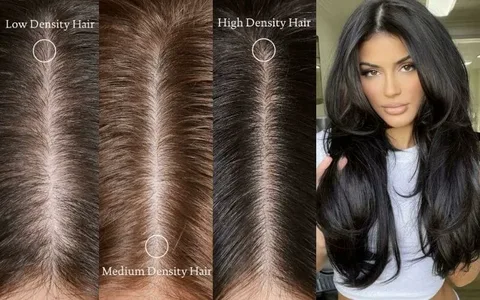
Wig density refers to how much hair is added to the wig cap. In simple terms, it tells you how full or thick the wig will look. A lower density usually creates a lighter and more natural appearance, while a higher density gives the wig a fuller and more dramatic look.
Density does not always determine whether a wig looks good or bad. It simply changes the final effect. Some people prefer wigs that look soft and natural for everyday wear, while others want extra fullness for a more styled look. The right choice depends on the wig type, your personal style, and how realistic you want the finish to appear.
Why should beginners care about wig density?
For beginners, density matters because it affects both comfort and appearance. A wig with too much hair may feel heavier than expected and may not look as natural if you are aiming for a softer everyday style. On the other hand, a wig with very low density may feel too thin for certain looks.
Density can also change how easy the wig is to manage. Fuller wigs may require more effort when styling or detangling, while lighter-density wigs often feel simpler to wear. If you are buying your first bob wig human hair, understanding density can help you avoid choosing a style that feels either too bulky or too flat.
What are the most common wig density levels?
Wig density is often described in percentages, with common levels such as 130%, 150%, 180%, and sometimes higher. These numbers help indicate how full the wig will look compared to a basic natural standard.
A lower density usually gives a softer and lighter appearance. Medium density is often chosen because it balances fullness and realism. Higher density can create more volume and drama, but it may not always look natural for every style or face shape.
For beginners, medium density is often a comfortable starting point because it gives enough fullness without being too overwhelming.
How does density affect how natural a wig looks?
A natural-looking wig usually has density that suits the style itself. If the wig is too full for its length or shape, it may look less believable. If it is too thin, it may appear sparse in a way that does not match the intended design.
For example, a bob wig human hair often looks best with a density that feels balanced and realistic. Because bob styles are usually neat and close to the face, too much density can make them appear stiff or overly heavy. A moderate density often allows the cut to move better and look more natural.
With a knotless braid wig, density works a little differently. The style already has visible structure because of the braids, so the goal is not just softness but also a believable braided appearance. The density should support the braid pattern without making the wig feel too bulky.
Which density is best for a bob wig?
A bob wig usually looks best when the density matches the clean, controlled shape of the cut. If the wig is too dense, the bob may lose its sleek silhouette and feel heavier than intended. If the density is too low, the ends may not look full enough.
For many beginners, a bob wig human hair in a light-to-medium density range often feels most natural. It gives enough fullness to maintain the shape of the style while still allowing the wig to move in a softer, more realistic way. Since bob wigs sit close to the jawline and neck, balance is especially important.
How does density matter for braided wigs?
Braided wigs are different from loose-hair wigs because the fullness comes from the braid design rather than from loose volume. With a knotless braid wig, density influences how natural the braids look on the scalp and how heavy the wig feels when worn.
If the braided wig is too dense, it may feel overly heavy and look less natural around the top or sides. If it is too light, the style may not look full enough to create the intended braided effect. For this reason, density in braided wigs should support structure and comfort at the same time.
Should beginners choose lower or higher density?
For most beginners, lower to medium density is usually easier to wear and manage. It tends to feel lighter, looks more natural in many everyday styles, and is often less intimidating to style. Higher density can be beautiful, but it may feel too full for someone who is still getting used to wearing wigs.
That said, the best choice depends on the style. A sleek bob wig human hair often benefits from a more balanced density, while a knotless braid wig needs enough density to support the braid pattern properly. Instead of choosing the fullest option automatically, beginners should think about how they want the wig to look in real life.
Can the wrong density make a wig harder to wear?
Yes, it can. A wig with too much density may feel hot, heavy, or difficult to style. It can also make the overall look seem less natural, especially if the fullness does not match the cut. A wig with too little density may not provide enough coverage or may look flatter than expected.
This is why understanding density before buying is so useful. It helps you choose a wig that fits not just your style preference, but also your comfort level and daily routine.
How can beginners choose the right density?
The easiest way to choose the right density is to think about the final look you want. If you prefer soft, everyday hair that looks close to natural volume, a lighter or medium density may be best. If you want a fuller, more glamorous effect, a higher density may make more sense.
It also helps to consider the wig type. A bob wig human hair usually benefits from clean balance rather than extreme fullness. A knotless braid wig should feel full enough to look realistic, but not so dense that it becomes uncomfortable. Looking at product photos and reading descriptions carefully can also help you make a smarter choice.
Final Thoughts
Wig density is one of the most important details beginners can learn, because it affects both how a wig looks and how it feels to wear. Once you understand that density simply refers to fullness, it becomes much easier to choose a style that matches your needs. The best density is not always the highest one. It is the one that suits the wig design, your comfort, and the level of realism you want.
Whether you are considering a bob wig human hair for an everyday polished look or a knotless braid wig for a protective braided style, choosing the right density can make the wig feel more natural, more comfortable, and more flattering from the start.



Post Comment