
7 Signs Your Family’s Oral Care Routine Needs a Reset
You buy the toothbrushes, remind everyone to brush, keep toothpaste in the drawer, and still something feels off. Maybe your child keeps getting cavities. Maybe someone’s breath never seems fresh for long. Maybe brushing has turned into a rushed, half-done habit that happens only when you catch it. That kind of drift is common in busy homes, and it usually builds slowly enough that you do not notice it until a visit to a dentist in Ludlow, MA forces the issue.
A reset does not mean your family has failed. It means your routine no longer fits your real life. The good news is that most problems start with patterns you can spot early. When you know the signs, you can adjust daily habits, protect your budget from avoidable treatment, and get support from a family dentist before small issues turn into bigger ones.
Small Oral Care Problems Usually Start as Daily Habits
One clear sign is that brushing happens, but not well. You hear the electric toothbrush for twenty seconds, and the kids announce they are done. Adults do it too, especially at night when everyone is tired. Plaque does not care whether the sink was used. It builds when brushing is too short, too rushed, or misses the gumline.
Another sign is skipped flossing. In many families, floss is the first habit to disappear because it feels optional. It is not. Food and plaque stay between teeth where a brush cannot reach, and that is often where bleeding gums and cavities start. If flossing only happens the week before an appointment, your routine needs attention.
Bad breath that keeps coming back is another signal. Mints can cover it, but they do not fix it. Ongoing odor can point to plaque buildup, dry mouth, gum irritation, or a tongue that is not being cleaned. When breath stays unpleasant even after brushing, your routine is missing something.
Bleeding gums matter too. A lot of people still assume a little blood is normal if you have not flossed in a while. It is common, but it is not healthy. Gums usually bleed because they are inflamed, and inflammation tends to get worse when it is ignored. That can lead to discomfort, deeper cleaning needs, and a cycle where brushing feels unpleasant so people avoid it even more.
Signs Your Family Dental Hygiene Routine Is Slipping
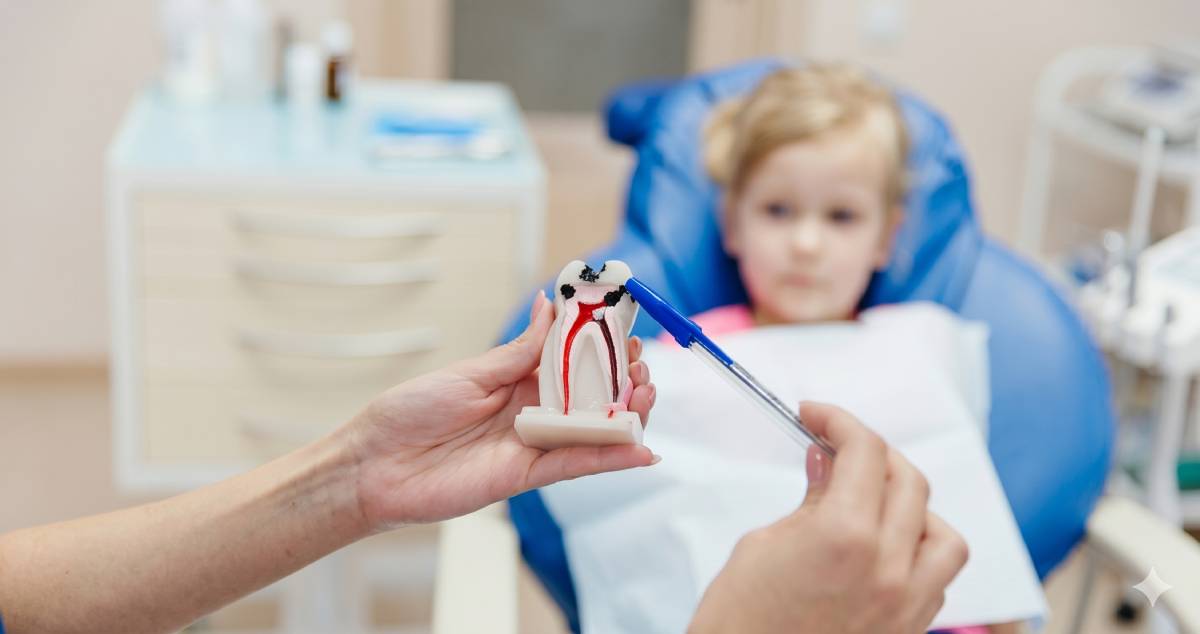
Frequent cavities are one of the biggest warning signs. One cavity can happen even in a careful household, but repeat decay often means the routine is not doing enough. That could be brushing technique, too many sugary drinks, constant snacking, or not using fluoride the right way. The CDC’s oral health tips for children point out that daily habits, fluoride exposure, and diet all work together.
Sensitivity is another clue people brush off for too long. If someone in your home avoids cold water, winces with ice cream, or chews on one side, there may be enamel wear, gum recession, or decay starting. Children may not explain this clearly. They might just stop eating certain foods or say their mouth feels “weird.”
You can also tell a reset is overdue when the routine depends on conflict. Every morning turns into reminders, bargaining, and checking whether anyone actually brushed. That kind of friction usually means the system is too loose, too complicated, or not age-appropriate. A routine that works should need less policing, not more.
The last sign is irregular dental visits. Life gets full, appointments get pushed, and months turn into years. Professional cleanings and exams catch issues that daily brushing cannot. The National Institute of Dental and Craniofacial Research guidance on oral hygiene reinforces that home care and professional care are partners, not substitutes.
Daily Home Care and Professional Dental Support Do Different Jobs
| Issue | At Home | With a Family Dentist |
|---|---|---|
| Plaque buildup | Brush twice a day for two minutes, floss once a day, clean the tongue | Remove hardened tartar that brushing and flossing cannot lift |
| Early cavities | Cut back on sugary snacks and drinks, use fluoride toothpaste | Find decay early before it grows into pain or more costly treatment |
| Bleeding gums | Improve flossing and brushing along the gumline | Check for gingivitis or deeper gum problems |
| Bad breath | Hydrate, brush the tongue, keep up daily cleaning | Look for gum disease, cavities, dry mouth, or other causes |
| Child resistance | Simplify the routine, supervise, use timers and consistent timing | Offer age-based advice and reinforcement from a trusted professional |
This is where many families get stuck. They try to solve everything with better effort at home, but effort does not remove tartar or diagnose early decay. On the other hand, a dental appointment cannot fix a weak daily routine by itself. The strongest results come from both. That is the real value of family oral care warning signs. They tell you where home habits stop being enough.
Simple Changes Can Reset an Oral Health Routine Fast
Set one routine for the whole household. Pick fixed brushing times, usually after breakfast and before bed, and make them non-negotiable. Keep supplies easy to reach. Replace old toothbrushes or brush heads. If a child is under eight, supervision still matters more than most parents expect.
Audit what is causing repeat problems. Look at the pattern without guilt. Is juice or sports drink showing up every day? Are kids grazing on crackers and gummies? Is bedtime brushing the one that gets skipped? One or two honest changes usually do more than a pile of good intentions.
Book preventive care before pain forces the schedule. If someone has bleeding gums, repeat cavities, sensitivity, or long gaps between visits, bring in a family dentist. Early care is easier on your child, easier on your calendar, and usually easier on your wallet too.
A Reset Now Can Save Stress Later
If several of these signs sound familiar, you are not behind. You are catching a problem while it is still manageable. A better routine does not need to be perfect. It needs to be consistent, realistic, and supported when daily care is not enough. When your household’s habits start slipping, paying attention early can protect comfort, confidence, and long-term health.
If your family’s routine feels like it is no longer working, schedule a visit with a family dentist and get a clear plan for what to change next.


Post Comment