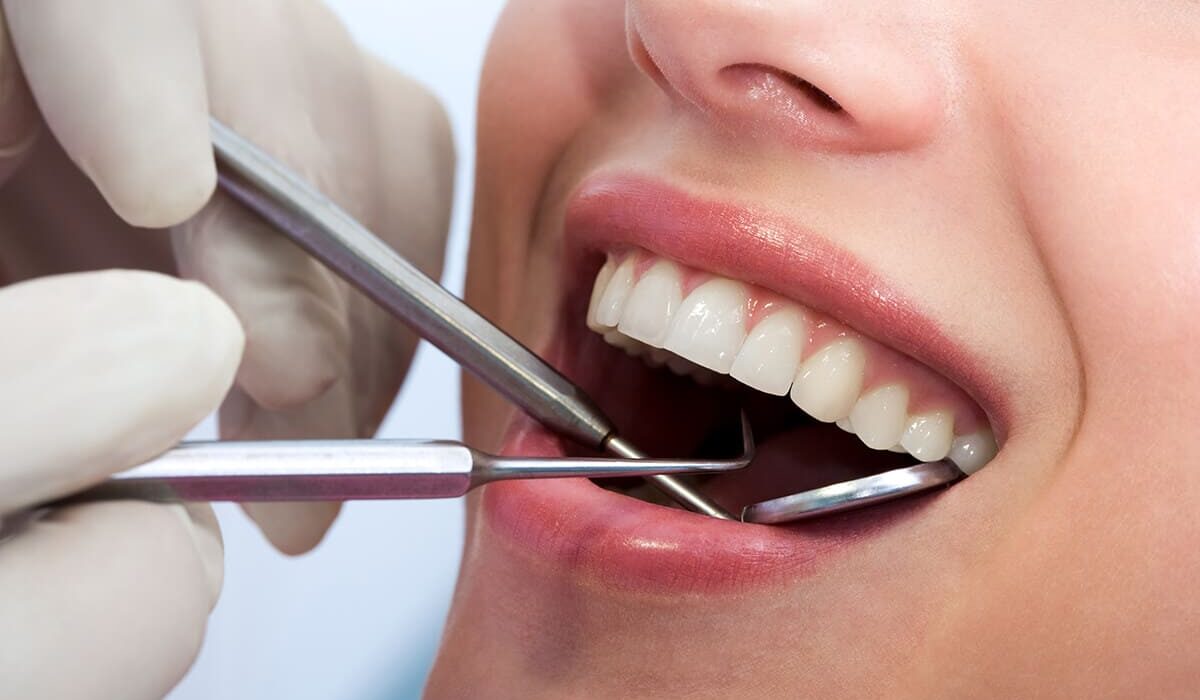
How General Dentistry Detects Issues Before They Become Major Problems
You might not think much about your mouth when nothing hurts, and that is often how small dental problems stay hidden. A spot of bleeding when you brush, a little sensitivity to cold, or a sore that seems harmless can be easy to brush off when life is busy. Then, weeks or months later, you are dealing with pain, a bigger bill, and the stress of wondering whether something serious was missed. That worry is real, and it is one reason routine dental care matters so much at a dental practice in Trinidad and Tobago.
The good news is that how general dentistry detects issues before they become major problems is not a mystery. A general dentist looks for early signs of decay, gum disease, bite changes, worn teeth, and even signs of oral cancer before they grow into harder and more costly problems. In many cases, a simple exam, a few images, and a careful look at your gums and soft tissues can catch trouble early enough to make treatment easier.
Why do small dental issues turn into big problems so quietly?
Many oral health problems begin without strong symptoms. Tooth decay can start as a weak spot in enamel long before you feel pain. Gum disease may show up first as redness or bleeding, not a dramatic toothache. A sore or patch in the mouth may seem like irritation from food, even when it needs a closer look. Because of this, it is common to assume everything is fine until the problem forces your attention.
That is where a preventive dental care approach makes a real difference. During a routine dental exam, a dentist is not only checking for cavities. They are also looking at your gums, tongue, cheeks, bite, restorations, and signs of wear. They may notice early cracks in a filling, plaque buildup near the gumline, or changes in tissue color that you would never catch in the mirror at home.
So, what happens if those signs are missed? A tiny cavity can grow until it needs a crown or root canal. Mild gum irritation can progress into infection and bone loss. According to the National Institute of Dental and Craniofacial Research, gum disease can damage the tissues and bone that support your teeth. What starts as something manageable can become something that affects comfort, appearance, time, and money.
What can a general dentist spot before you feel it?
A lot more than most people expect. A general dentist is trained to catch patterns, not just isolated problems. That includes early decay between teeth, grinding that wears enamel down, old fillings that are starting to fail, and bite issues that can strain the jaw. If you clench your teeth at night, for example, you may wake up with headaches and never connect them to dental wear until an exam brings the pattern into focus.
Soft tissue checks matter too. Dentists often screen for unusual sores, red or white patches, or changes that should be monitored or tested further. The NIDCR explains the warning signs and risk factors tied to oral cancer. Early attention can matter greatly here, especially when a change in the mouth seems minor or painless at first.
There is also the financial side, which many people feel before they say it out loud. A cleaning and exam are usually far easier to manage than an emergency visit, a deep infection, or replacing a tooth. Preventing a major problem is not only about comfort. It is often about keeping your options open and avoiding rushed decisions made under stress.
How does early detection compare with waiting until something hurts?
When people delay care, it is often for understandable reasons. Maybe there is no pain. Maybe cost is a concern. Maybe it has simply been a while, and making the appointment feels awkward. But waiting usually gives dental problems more time to grow. If you compare early checks with symptom based care, the difference is hard to ignore.
| Situation | Early Dental Visit | Waiting for Pain or Visible Damage |
|---|---|---|
| Small cavity | May be treated with a simple filling | Can deepen and require a crown or root canal |
| Bleeding gums | May improve with cleaning and home care changes | Can progress to gum disease and bone loss |
| Worn teeth from grinding | Can be identified early with bite review and protection | May lead to cracks, fractures, or jaw pain |
| Unusual mouth sore | Can be examined and monitored right away | May go unnoticed until it becomes harder to treat |
This is why regular checkups are so often described as a form of protection. Not because every visit finds a major issue, but because the visits create chances to catch change early. And in oral health, early usually means simpler.
What can you do right now to stay ahead of bigger dental problems?
1. Pay attention to small changes.
If your gums bleed when you brush, a tooth feels sensitive, or a sore in your mouth does not heal, do not assume it will pass on its own. Small symptoms often tell the story early. Writing down when you noticed the change can help you explain it clearly at your visit.
2. Keep regular exams on the calendar.
Even if your teeth feel fine, routine visits give your dentist a baseline. That makes it easier to spot new decay, gum changes, or signs of wear. This is one of the most practical forms of early dental problem detection, because it catches issues before they demand urgent care.
3. Ask direct questions about risk.
If you have dry mouth, grind your teeth, smoke, or have a history of gum problems, ask how those factors affect your oral health. A good dental visit is not only about treatment. It is also about understanding what puts you at higher risk and what habits can help protect you.
Where does that leave you if you have been putting it off?
If it has been a while since your last visit, you are not alone, and you do not need to feel embarrassed. What matters now is taking the next step. General dentistry is often at its best when it helps you avoid pain, preserve your teeth, and catch concerns while they are still manageable. That is the real value of routine care. It gives you a chance to deal with problems while they are still small enough to solve with less stress.
If something feels off, or if you simply want peace of mind, schedule a visit and get a clear picture of your oral health. A simple check today can prevent a much harder problem tomorrow.



Post Comment