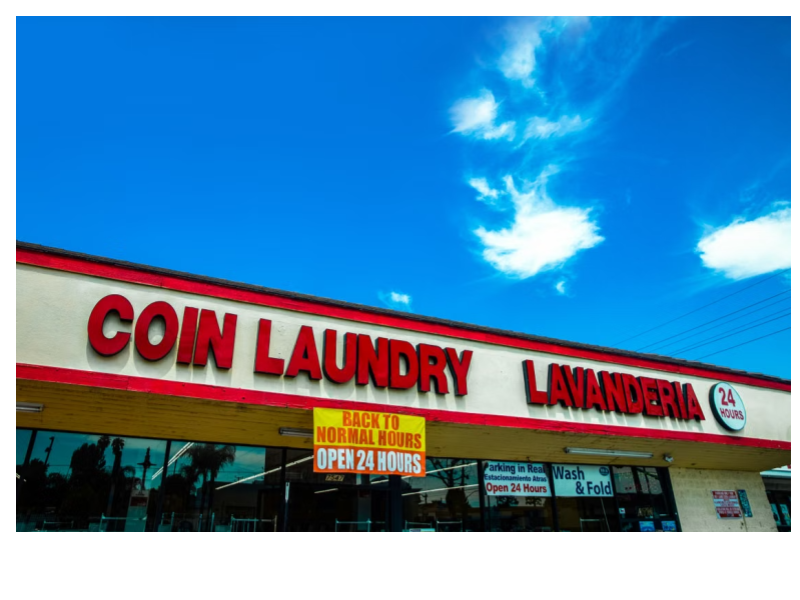
How to Start a Coin Laundry Business in Canada: Costs, Equipment, Licences, and Profit Potential
Starting a coin laundry business in Canada can be an attractive opportunity for entrepreneurs looking for a service-based business with repeat customer demand. Laundromats provide an essential service to renters, students, newcomers, apartment residents, busy families, and people without reliable in-home laundry facilities.
A well-located coin laundry can create steady cash flow, particularly when it combines self-service washing and drying with additional revenue streams such as wash-and-fold service, vending machines, detergent sales, commercial laundry contracts, and pickup-and-delivery options. However, success depends on careful planning, realistic budgeting, suitable equipment, local licensing, and a location with enough customer demand.
This guide explains how to start a coin laundry business in Canada, including startup costs, commercial laundry equipment, permits and licences, operating expenses, location selection, financing, and profitability.
What Is a Coin Laundry Business?
A coin laundry business, often called a laundromat, is a self-service laundry facility where customers pay to use commercial washing machines and dryers. Although the traditional model uses coins, many modern laundromats now offer debit, credit card, mobile app, loyalty-card, and contactless payment options.
Coin laundry investment opportunities can operate with minimal staffing, especially when customers wash and dry their own clothing. This makes the business appealing to owners who want a relatively simple operation compared with restaurants, retail stores, or businesses that require a large team.
A typical laundromat may include:
– Front-load commercial washers in several load sizes
– Stack dryers or tumble dryers
– Change machines or digital payment systems
– Folding tables and seating
– Laundry carts and baskets
– Soap, softener, and snack vending machines
– Security cameras and access-control systems
– Wash-and-fold service areas
– Commercial laundry equipment for larger loads
– Internet access, charging stations, or small customer waiting areas
The business model is straightforward: customers pay per wash and per dry cycle. The owner earns revenue from machine usage while managing rent, utilities, repairs, cleaning, payroll, insurance, and other operating costs.
Why Start a Laundromat in Canada?
Laundry is a recurring need, which can make a coin laundry business more resilient than businesses that depend on discretionary consumer spending. Even when household budgets tighten, people still need clean clothing, bedding, towels, and uniforms.
Canada also has several market conditions that can support laundromat demand. Large urban centres have substantial rental populations, including students, newcomers, young professionals, and apartment dwellers. In many older buildings, laundry facilities may be limited, outdated, unavailable, or shared among many tenants.
A coin laundry can also serve customers beyond nearby residents. Potential customer groups include:
– Tenants in apartments and multi-unit housing
– College and university students
– Newcomers and temporary residents
– RV travellers and tourists
– Small hotels, motels, and short-term rentals
– Salons, spas, gyms, and fitness studios
– Restaurants and food businesses
– Medical clinics and care providers
– Cleaning companies and property managers
– Sports teams and local organizations
The most profitable laundromats usually do more than provide basic self-service machines. They focus on convenience, cleanliness, safety, reliable equipment, and services that solve customer problems.
Choose the Right Business Model
Before searching for a location or buying machines, decide what type of laundry business you want to operate. Your business model affects startup capital, staffing needs, hours, revenue potential, and risk.
Self-Service Coin Laundry
This is the traditional laundromat model. Customers use washers and dryers themselves, then pay per cycle.
A self-service operation can be partially unattended, although regular cleaning, maintenance, cash handling, customer support, and monitoring are still necessary. Modern payment systems can reduce the need for coin collection and give owners better reporting on machine usage.
This model is often suitable for owners who want lower staffing requirements and predictable daily operations.
Wash-and-Fold Laundry Service
Wash-and-fold service allows customers to drop off laundry and have staff wash, dry, fold, and package it. The service can be priced by weight, bag, load, or item type.
This can generate higher revenue per customer than self-service laundry. However, it also requires employees, workflow management, quality control, storage space, packaging materials, and insurance considerations.
Wash-and-fold service can make a laundromat more competitive in busy urban neighbourhoods where customers value time savings.
Pickup and Delivery Laundry
Pickup-and-delivery services can expand your customer area beyond people who live within walking distance of the store. Customers schedule a collection, the laundry is processed at your facility, and the cleaned items are returned.
This model may work well in dense cities, affluent neighbourhoods, student areas, and locations with many professionals. It requires careful route planning, customer communication, order tracking, staff, and a suitable vehicle or delivery partner.
Commercial Laundry Contracts
Commercial contracts can provide recurring income and reduce reliance on walk-in customers. Businesses such as salons, spas, gyms, short-term rentals, restaurants, clinics, and small accommodations may need regular laundry support.
Commercial work can be profitable, but it requires dependable turnaround times, capacity planning, separate handling procedures, invoicing systems, and strong customer service. Before taking on large contracts, make sure your equipment and staffing can handle the volume without affecting walk-in customers.
Research the Local Market
A coin laundry business succeeds when it is located where people genuinely need and will use it. Do not choose a site based only on low rent or visible storefront space. Study the surrounding community before signing a lease or buying a business.
Start by defining a practical service area. In many cases, laundromat customers prefer convenience and may choose a location close to home, public transit, shopping areas, or their regular travel routes.
Look for neighbourhoods with:
– High population density
– Apartment buildings and rental housing
– Older homes with limited laundry capacity
– Student housing or post-secondary institutions
– Newcomer and immigrant communities
– Limited nearby laundromat competition
– Good public transit access
– Available parking or easy drop-off access
– High pedestrian traffic
– Nearby grocery stores, restaurants, or retail centres
Visit competing laundromats at different times of day. Observe machine availability, customer traffic, cleanliness, payment methods, pricing, reviews, parking, equipment age, and available services.
A competitor with constantly full machines may signal strong local demand. On the other hand, several quiet laundromats in the same area may suggest that the market is oversupplied, poorly located, or not large enough to support a new entrant.
Build a Laundromat Business Plan
A detailed business plan helps you assess whether the business can realistically support its expenses and financing payments. It is also essential when approaching lenders, investors, landlords, or business partners.
Your coin laundry business plan should include:
– Business name and legal structure
– Location and target market
– Description of self-service and value-added services
– Competitor analysis
– Equipment list and capacity plan
– Startup budget
– Pricing strategy
– Sales and revenue forecast
– Monthly operating expense forecast
– Marketing plan
– Staffing plan
– Cash-flow projection
– Financing requirements
– Risk management plan
Your plan should be based on conservative assumptions. Avoid assuming every machine will operate at maximum capacity from the first month. New locations need time to build awareness, customer trust, reviews, and repeat business.
Coin Laundry Startup Costs in Canada
The cost of starting a coin laundry business in Canada varies widely. A small existing operation may require a lower initial investment, while a new, fully renovated laundromat with high-capacity equipment can require a significant capital commitment.
Major factors affecting startup costs include:
– City and neighbourhood
– Lease terms or property purchase price
– Store size
– Existing plumbing, drainage, gas, electrical, and ventilation systems
– Number and capacity of washers and dryers
– New versus used equipment
– Renovation and accessibility requirements
– Payment system selection
– Signage and branding
– Licence and permit requirements
– Working-capital reserve
A smaller coin laundry setup may require a more modest investment if the space already has commercial laundry infrastructure. However, a new build-out in a location requiring extensive plumbing, drainage, electrical, gas, and ventilation work can become expensive quickly.
Estimated Startup Budget
The following ranges are general planning estimates. Actual costs depend on the city, contractor pricing, equipment brand, size of the facility, building condition, and local requirements.
| Startup Expense | Estimated Cost Range
| Lease deposit and first months of rent | $10,000 to $40,000+ |
| Renovations and build-out | $50,000 to $250,000+ |
| Commercial washers and dryers | $100,000 to $400,000+ |
| Plumbing, drainage, gas, electrical, and ventilation | $50,000 to $200,000+ |
| Payment system, change machines, and POS | $5,000 to $35,000 |
| Folding tables, seating, carts, and fixtures | $10,000 to $40,000 |
| Security cameras and alarm systems | $3,000 to $15,000 |
| Signage and exterior improvements | $5,000 to $25,000 |
| Legal, accounting, insurance, and registration | $3,000 to $15,000 |
| Opening marketing and website | $3,000 to $20,000 |
| Initial supplies and vending inventory | $2,000 to $10,000 |
| Working capital reserve | $25,000 to $100,000+ |
A realistic new laundromat budget can range from approximately $200,000 to more than $500,000, particularly when extensive construction and new commercial equipment are required. Industry estimates also show that costs can rise significantly for high-end facilities with advanced technology, premium finishes, large-capacity machines, and customer amenities.
The best way to develop a reliable budget is to obtain quotes from commercial laundry equipment suppliers, electricians, plumbers, HVAC contractors, general contractors, signage companies, and local business professionals before committing to a location.
Essential Laundromat Equipment
Commercial laundry equipment is the core of the business. Choosing the wrong equipment can increase water bills, energy usage, repair costs, downtime, and customer complaints.
A laundromat should use commercial-grade machines rather than residential washers and dryers. Commercial models are built for frequent usage, larger loads, and higher-volume operations. Suppliers in Canada offer commercial washers and dryers in a range of capacities, including machines designed specifically for coin-operated laundromats.
Commercial Washers
Most laundromats use front-load washers because they can offer larger load capacity and efficient water use. A good equipment mix gives customers several choices.
For example, a facility may include:
– Small washers for regular clothing loads
– Medium washers for family laundry
– Large-capacity washers for bedding and comforters
– Extra-large washers for commercial loads, blankets, or bulky items
Larger machines can produce higher revenue per cycle, especially in areas with families, pet owners, short-term rental operators, and customers washing bedding.
Commercial Dryers
Dryers are equally important because customers expect quick, reliable drying. Many laundromats use stacked dryer units to save floor space.
Before selecting dryers, consider:
– Gas or electric energy source
– Venting requirements
– Drying speed
– Capacity
– Energy efficiency
– Service access
– Payment integration
– Equipment warranty
– Availability of local repair technicians
Dryer performance has a direct impact on customer satisfaction. A slow or poorly maintained dryer can lead to complaints, refunds, and lost repeat business.
Payment and Management Systems
Traditional coin-operated equipment remains common, but cashless systems are increasingly useful. A card or mobile-based system can allow customers to pay by debit card, credit card, mobile wallet, or reloadable loyalty card.
Digital systems may offer benefits such as:
– Reduced cash collection
– Better theft control
– Remote machine monitoring
– Usage and sales reporting
– Customer loyalty programs
– Promotional pricing
– Refund management
– Machine-out-of-service alerts
A hybrid setup can be practical in some neighbourhoods, especially if customers still prefer coins. The right payment approach should match your local customer base.
Finding the Best Location
Location can determine whether a coin laundry becomes a reliable neighbourhood business or a costly mistake. A visible storefront is helpful, but the site must also be practical from an operational standpoint.
Before signing a lease, confirm that the property can support a laundromat. This includes water supply, drainage, gas capacity, electrical capacity, dryer ventilation, floor load, accessibility, fire safety, and municipal zoning.
Commercial laundry facilities use substantial amounts of water, gas, electricity, and drainage capacity. A low-rent space without adequate infrastructure may cost far more to convert than a higher-rent location that is already suitable.
When evaluating a lease, pay close attention to:
– Base rent and additional occupancy costs
– Length of lease and renewal options
– Exclusivity clauses
– Landlord approval for laundry operations
– Responsibility for utility upgrades
– Signage rights
– Repair obligations
– Parking availability
– Required operating hours
– Restrictions on wash-and-fold or commercial services
– Permission to install exterior vents, gas lines, plumbing, and equipment
In Ontario, laundromat zoning reviews often involve permitted use, utilities, plumbing, drainage, ventilation, parking, landlord approval, and build-out feasibility. These checks should be completed before committing to a space.
Licences and Permits for a Laundromat
Licensing requirements differ across Canada. The permits needed for a coin laundry business can depend on the province, municipality, building type, equipment, renovation scope, signage, and services offered.
At a minimum, you may need to consider:
– Business registration
– Municipal business licence
– Zoning approval
– Building permit
– Plumbing permit
– Electrical permit
– Gas permit
– Fire inspection or fire-code compliance
– Sign permit
– Occupancy permit
– Health-related approvals if offering food or beverages
– Accessibility compliance
– Commercial insurance
– Tax registration where required
– Employment registration and payroll setup if hiring staff
A municipal laundry licence may be required in some cities. For example, Toronto requires businesses offering laundry, washing, ironing, or dry-cleaning services to obtain a Laundry licence, and zoning approval is required for most new business licence applications.
Ontario business owners can also use BizPaL to identify licences and permits based on their location, industry, and business activities.
Because requirements vary by municipality, contact your local planning department, licensing office, building department, fire services, and utility providers before signing a lease or ordering equipment.
Register Your Business
You will need to choose a legal structure for the business. Common options include:
– Sole proprietorship
– Partnership
– Corporation
A sole proprietorship may be simpler to start, but it does not separate personal and business liability in the same way a corporation can. A corporation may be appropriate for owners seeking liability separation, long-term growth, multiple investors, or a future sale.
Speak with an accountant or business lawyer before deciding. The right structure depends on your ownership arrangement, tax situation, financing plan, risk profile, and future goals.
You should also open a business bank account, set up bookkeeping, track sales and expenses from day one, and maintain accurate records for taxes, financing, insurance, and possible future resale.
Financing a Coin Laundry Business
Because commercial equipment and build-outs can be expensive, many owners use a combination of personal savings, bank financing, equipment leasing, business loans, investor capital, and seller financing.
Potential financing options include:
– Traditional business loans
– Commercial equipment financing
– Equipment leasing
– Lines of credit
– Commercial mortgages for property purchases
– Government-backed small business financing programs
– Private investors
– Vendor financing
– Seller financing when acquiring an existing laundromat
Equipment financing may help conserve cash for renovations, deposits, inventory, utilities, and working capital. However, assess the interest cost and monthly payment carefully. A machine financed over several years must generate enough revenue to cover its payment, maintenance, utilities, and share of overhead.
If you are buying an existing laundromat, request detailed financial records. Review sales reports, utility bills, equipment age, maintenance history, lease terms, rent increases, payroll, tax records, and customer traffic before deciding on a purchase price.
Operating Costs to Expect
A coin laundry can appear passive from the outside, but it has meaningful operating costs. Profitability depends on controlling these expenses without reducing service quality.
Common monthly expenses include:
– Rent and property costs
– Water and sewer charges
– Natural gas or electricity
– Equipment repairs and maintenance
– Cleaning supplies
– Employee wages
– Insurance
– Internet and payment processing fees
– Security monitoring
– Waste disposal
– Accounting and bookkeeping
– Marketing
– Equipment financing payments
– Laundry supplies and vending inventory
Utilities are one of the largest operating expenses in a laundromat. High-efficiency equipment, preventative maintenance, accurate pricing, and proper machine settings can have a major effect on margins over time.
Do not underestimate equipment maintenance. A machine that is out of service creates lost sales and frustrates customers. Build a relationship with qualified local technicians, keep common replacement parts available where practical, and schedule regular maintenance rather than waiting for breakdowns.
How Much Profit Can a Coin Laundry Make?
Profit potential varies based on location, pricing, rent, machine utilization, utilities, financing costs, competition, and management quality. There is no guaranteed income level, and owners should avoid relying on broad online revenue claims without testing local demand and actual operating costs.
A laundromat becomes more profitable when it has:
– Strong daily customer traffic
– Reliable equipment with minimal downtime
– Proper pricing for wash and dry cycles
– Reasonable rent relative to revenue
– Controlled utility consumption
– Low theft and vandalism
– High customer retention
– Effective local marketing
– Additional services with healthy margins
– Commercial laundry clients
Some industry estimates place laundromat profit margins in a broad range of about 15% to 35%, but your actual result depends on your individual business model and local economics.
A simple example shows why machine utilization matters. If a washing machine earns $8 per cycle and completes an average of five paid cycles daily, it generates approximately $40 per day before expenses. Across a full machine mix, sales can add up quickly, but water, gas, electricity, rent, financing, maintenance, taxes, and payroll must all be deducted before calculating profit.
Your financial forecast should include low, expected, and high sales scenarios. This approach helps you understand whether the business remains viable if customer traffic is slower than planned during the first year.
Increase Revenue Beyond Machines
The most successful laundromat owners often create multiple income streams. These services can increase revenue without requiring a much larger location.
Consider adding:
– Wash-and-fold services
– Pickup and delivery
– Commercial laundry contracts
– Detergent and softener vending
– Snack and beverage vending machines
– Laundry bags and accessories
– Alterations or repair partnerships
– ATM services
– Loyalty programs
– Family-sized or oversized machine options
– Pet bedding and large-item washing policies
– Subscription plans for repeat customers
Not every service fits every location. Start with the services that match local demand and operational capacity. A busy student area may respond well to wash-and-fold and mobile payment, while an area with vacation rentals may create opportunities for commercial linen services.
Market Your Coin Laundry Business
Marketing begins before opening day. Your goal is to make sure nearby residents know where you are, what services you offer, and why your laundromat is worth visiting.
Effective local marketing strategies include:
– Creating a professional Google Business Profile
– Building a fast, mobile-friendly website
– Adding your address, hours, services, and payment options online
– Encouraging satisfied customers to leave reviews
– Posting clear exterior signage
– Offering opening-week promotions
– Using local social media advertising
– Partnering with apartment managers and landlords
– Reaching out to student housing communities
– Connecting with hotels, salons, gyms, and short-term rental operators
– Offering loyalty rewards and referral discounts
– Promoting wash-and-fold or pickup-and-delivery services
Cleanliness is also marketing. Customers quickly notice dirty floors, broken machines, poor lighting, unpleasant odours, and unsecured facilities. A bright, clean, safe laundromat can earn repeat customers and positive reviews more effectively than expensive advertising alone.
Should You Buy an Existing Laundromat?
Buying an existing coin laundry can be less risky than building from scratch if the business has verified revenue, a favourable lease, functioning equipment, and an established customer base.
However, do thorough due diligence. Ask the seller for:
- Three years of financial statements
- Tax returns and sales records
- Utility bills
- Equipment list, age, and condition
- Maintenance and repair records
- Lease agreement and renewal options
- Staff information
- Supplier contracts
- Customer complaints or legal issues
- Reason for selling
- Details of nearby competition
- Evidence of payment-system reports
Do not value the business based only on a seller’s verbal claim about cash revenue. Verify income through bank deposits, card-payment reports, utility usage, tax documents, machine records, and independent professional advice.
An existing laundromat with outdated equipment may look inexpensive but could require substantial reinvetment. On the other hand, a clean, updated laundromat in a high-demand location may justify a higher acquisition price if the numbers support it.
Final Thoughts
Starting a coin laundry business in Canada, FindBusinessesForSale.com can offer dependable long-term potential when you combine the right location, commercial-grade equipment, local compliance, controlled expenses, and strong customer service. The business is not completely passive, but it can become a stable operation when systems are in place and machines are maintained properly.
Before investing, research your target neighbourhood, verify zoning and utility capacity, create a conservative financial forecast, obtain contractor and equipment quotes, and confirm every required licence and permit. Whether you build a new coin laundry or buy an existing laundromat for sale, success will come from understanding the numbers and delivering a clean, convenient, reliable service that customers trust.




Post Comment