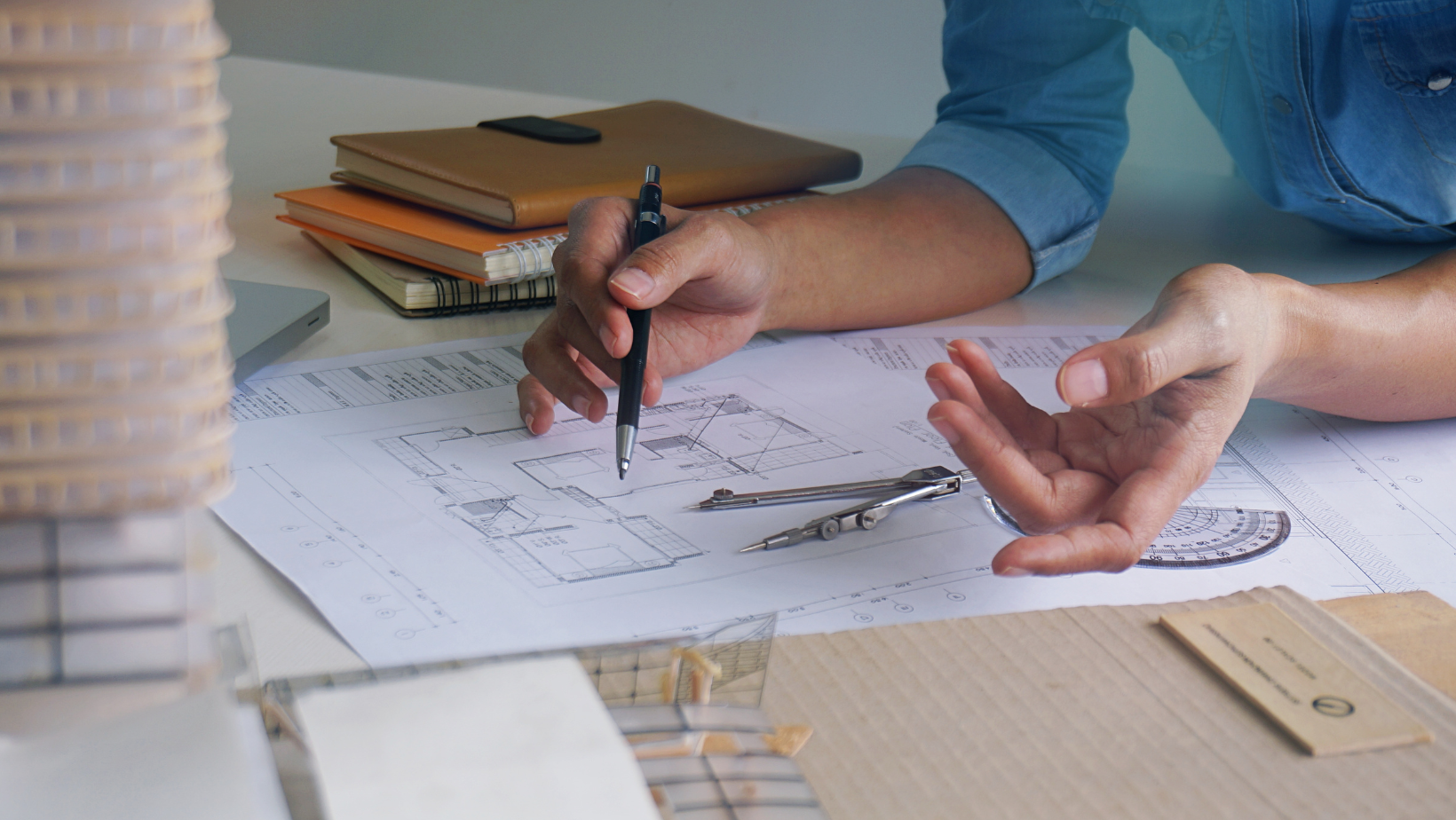
Interior Design Course in India: What You Learn Year by Year
Choosing the right interior design course in India is essential for anyone passionate about shaping functional, beautiful spaces. India’s interior design market was valued at $36.9 billion in 2025 and continues to grow.
A professional degree or diploma can boost career prospects. Early-career designers typically earn ₹2.5–4 lakhs per annum, while experienced designers see higher salaries. The demand spans residential, commercial, and hospitality projects nationwide.
In this blog, you’ll explore year-by-year learning, skills gained, and career preparation through an interior design course in India.
Year 1: Foundation and Basics
The first year of an interior design course in India is all about laying the groundwork. Students are introduced to fundamental concepts that are essential for understanding design in any context.
- Introduction to Interior Design
Students begin by learning what interior design involves, including the principles of spatial planning, ergonomics, and aesthetics. They explore the history of interior design, studying styles from traditional Indian homes to modern international trends. This gives them a strong cultural and historical context for their work.
- Drawing and Visualisation Skills
Drawing is an essential skill for any interior designer. In the first year, students focus on basic sketching, perspective drawing, and colour theory. These skills help in visually representing ideas before moving to digital formats.
- Materials and Textures
Understanding materials is key to effective design. Students study different types of materials such as wood, metals, textiles, and stone, learning their properties, applications, and suitability for various spaces. This knowledge forms the foundation for creating functional and aesthetic interiors.
- Computer-Aided Design (CAD)
The introduction to CAD tools allows students to start translating hand sketches into digital formats. Basic software such as AutoCAD is commonly taught to prepare students for more advanced software in the coming years.
Year 2: Expanding Technical Knowledge
By the second year, students begin to gain technical depth in their interior design course in India. They learn to combine creativity with practical skills.
- Advanced Design Principles
Second-year students study advanced design principles, including balance, rhythm, scale, and proportion. These concepts are applied to real-world scenarios, helping students develop practical design solutions.
- Interior Architecture Basics
Students explore interior architecture, learning about structural considerations, lighting, and furniture design. This knowledge is crucial for designing spaces that are not just visually appealing but also structurally sound.
- Digital Design Tools
The second year usually introduces more sophisticated software tools such as SketchUp, 3ds Max, or Revit. Students learn to create 3D models, renderings, and virtual walkthroughs, enabling them to present their ideas professionally.
- Building Services and Environmental Design
Courses cover topics like HVAC systems, plumbing, and sustainable design practices. Students learn how to design interiors that are energy-efficient, safe, and compliant with regulations.
Year 3: Specialisation and Practical Exposure
The third year often focuses on specialisation and hands-on experience, preparing students for real-life projects.
- Specialised Design Areas
Students may choose to focus on areas such as residential design, commercial spaces, hospitality, or exhibition design. This allows them to build a portfolio that reflects their interests and strengths.
- Project Management and Professional Practices
Understanding the business side of design is crucial. Students learn about budgeting, project scheduling, client communication, and procurement. These skills help them manage projects effectively once they enter the workforce.
- Workshops and Studio Work
Studio sessions and workshops dominate the third year. Students work on real or simulated projects, applying their skills to practical scenarios. This is the time when creativity meets problem-solving.
- Internship Opportunities
Many programs encourage internships in design firms or with architects. This provides exposure to industry standards, client interactions, and project execution, giving students a competitive edge in the job market.
Year 4: Portfolio and Professional Readiness
The final year is about consolidating knowledge, completing major projects, and preparing for a professional career.
- Capstone Projects
Students typically undertake a capstone project that integrates all the skills they have learned. This could involve designing an entire space from concept to execution, including floor plans, furniture selection, lighting, and 3D visualisations.
- Advanced Software Skills
By this stage, students are proficient in multiple design tools. They might also explore virtual reality (VR) and rendering software to create immersive presentations.
- Portfolio Development
Creating a professional portfolio is a major focus. Students compile their best work, including sketches, 3D models, and project documentation. A strong portfolio is essential for job applications or freelance opportunities.
- Industry Connections and Placement Support
Most colleges provide guidance on job placements, connecting students with interior design firms, architectural companies, or corporate design departments. Networking events, workshops, and industry guest lectures help students understand current trends and expectations in the design industry.
Skills You Gain Throughout the Course
Completing an interior design course in India equips students with a range of skills that go beyond software proficiency. These include:
- Creative Thinking: Developing unique solutions for complex spatial challenges.
- Technical Expertise: Understanding construction, lighting, materials, and building codes.
- Project Management: Budgeting, scheduling, and coordinating with clients and contractors.
- Presentation Skills: Creating detailed drawings, 3D models, and immersive visual presentations.
- Research and Analysis: Studying trends, cultural influences, and ergonomics to design functional and appealing spaces.
These skills ensure that graduates can design practical, aesthetically pleasing spaces, manage projects efficiently, and communicate ideas effectively, preparing them for successful interior design careers in India.
Career Opportunities After Completing the Course
Graduates of interior design programs in India can explore a wide range of career paths, each with unique roles, responsibilities, and industry demand:
- Residential Interior Designer
You plan and design interiors for homes, apartments, and villas. This role involves understanding family needs, lifestyle preferences, space planning, furniture selection, lighting, and storage solutions. Residential design remains one of the most popular career options due to continuous housing development across Indian cities and towns.
- Commercial Designer
In this role, you design workspaces such as offices, retail stores, showrooms, and co‑working spaces. Commercial design balances aesthetics with brand identity, workflow efficiency, and safety standards. With India’s growing start‑up ecosystem and retail expansion, demand for skilled commercial designers is rising.
- Hospitality Interior Designer
You focus on interiors for hotels, resorts, clubs, and guesthouses. This speciality blends comfort with style and functionality, ensuring spaces are inviting, practical, and aligned with the client’s concept. The hospitality sector in India continues to grow with rising domestic and international tourism.
- Exhibition and Event Designer
This career involves crafting temporary or themed environments for trade shows, brand launches, art exhibitions, and cultural festivals. You work on layouts, thematic elements, signage, and interactive zones. Exhibition designers must think quickly and creatively to deliver impactful experiences within strict timelines.
- Freelance Designer
Freelancing gives you the freedom to work with diverse clients, manage multiple projects simultaneously, and set your own schedule. Freelancers often work on residential or small commercial jobs, collaborate with architects, or provide remote design services. Effective networking and a strong portfolio are key to success in this path.
- Interior Design Consultant
As a consultant, you advise clients on space planning, colour schemes, materials, finishes, furniture selection, and décor. This role may overlap with roles in architecture firms, real estate companies, or design studios, where consulting skills help guide decisions before execution begins.
- Set Designer for Film and Television
Interior designers can transfer their skills to set design for movies, TV shows, and web series. This role requires understanding narrative context, designing scenes that support storytelling, and coordinating with directors and production teams. India’s growing entertainment industry offers opportunities in this creative space.
- Stage and Exhibition Environment Designer for Events
Beyond product exhibitions, many large‑scale cultural or corporate events require stage and immersive environment design. You handle conceptual themes, guest flow, lighting moods, and experiential design aspects.
By choosing a career path that aligns with your interests and strengths, you can build a fulfilling and dynamic profession in India’s modern creative economy.
Conclusion
An interior design course in India provides a structured journey from basic concepts to professional readiness. By understanding what you will learn each year, from foundational skills to advanced project execution, you can plan your career path more effectively. Students who focus on building technical knowledge, creative skills, and professional experience are well-prepared to thrive in the competitive interior design industry.
Choosing the right course is not just about software training; it is about developing a holistic understanding of design, building a strong portfolio, and gaining practical experience that sets the stage for a successful career in India’s growing creative sector.




Post Comment