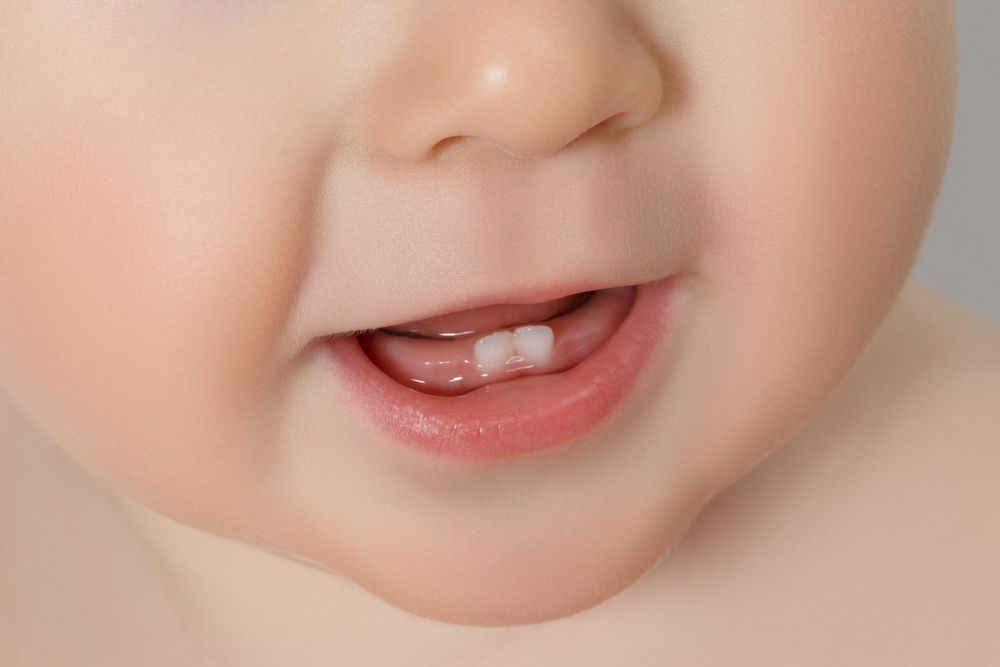
Why Some Baby Teeth Stay In The Mouth Much Longer Than Expected
You might be feeling a mix of confusion and worry right now. Maybe your child still has a baby tooth while classmates already seem to have a full set of bigger teeth, or maybe a kids dentist in West Los Angeles, CA mentioned that one tooth has stayed put longer than expected and now you are wondering what that means. That kind of uncertainty can sit in the back of your mind, especially when you are trying to figure out whether this is just normal timing or something that needs attention.
In many cases, a baby tooth that does not fall out on schedule is not an emergency, but it does deserve a closer look. Sometimes the adult tooth is simply taking its time. Other times, there may be crowding, a missing adult tooth, or a tooth eruption problem that needs care from a pediatric dentist. If you are dealing with retained baby teeth, the goal is not to panic. It is to understand what might be going on and what the next step should be.
When Is A Baby Tooth Staying Too Long, And Why Does It Happen?
Baby teeth usually loosen because the adult tooth underneath starts to move up and dissolve the baby tooth root. When that process is delayed, the baby tooth can remain in place much longer than expected. For some children, this is just a variation of normal development. For others, it points to a reason that should be checked.
So, what are the common causes? One reason is that the adult tooth is late to erupt. Another is that the adult tooth may be coming in at the wrong angle, which can keep the baby tooth from loosening. In some cases, the adult tooth is missing altogether, so the baby tooth has nothing pushing it out. There can also be crowding, extra teeth, or a fusion between the tooth and bone called ankylosis, which makes the baby tooth feel stuck.
That is where the stress often builds. You may wonder, if the tooth is not hurting, is it really a problem? Sometimes no. Sometimes yes. A baby tooth that stays too long can affect bite alignment, speech, cleaning, and the path of nearby adult teeth. It can also lead to surprise costs later if a small issue is left alone and turns into an orthodontic or surgical one.
General guidance on children’s dental health can help you understand normal development, but timing still varies from child to child. That is why age alone does not tell the full story.
What If The Adult Tooth Is There, But It Still Is Not Coming In?
This is often the moment when parents feel torn. You do not want to overreact, but you also do not want to miss something important. If an X-ray shows the adult tooth is present, the next question is why it is not erupting.
Sometimes the answer is simple. The tooth may just need more time, or the baby tooth may need to be removed so the adult tooth can follow its path. But there are less common situations too. A condition called primary failure of tooth eruption can prevent a tooth from moving into place even when there is no obvious blockage. That is rare, but it shows why a “wait and see forever” approach is not always the safest one.
There are also cases where the baby tooth seems healthy and strong, which can make the delay easy to ignore. Yet if the tooth is lower than the others, does not wiggle at all, or looks sunken compared with nearby teeth, that can suggest ankylosis or another eruption issue. In that case, the longer you wait, the harder future treatment can become.
How Do Dentists Tell The Difference Between Normal Delay And A Real Problem?
A good exam usually starts with a few basic questions. How old is your child? Which tooth is still present? Is the matching tooth on the other side already gone? Is there pain, swelling, crowding, or a permanent tooth erupting behind the baby tooth? A pediatric dental visit can then add X-rays and bite evaluation to fill in the missing pieces.
Research on delayed eruption and retained primary teeth has shown that causes can range from local barriers to broader developmental patterns. You can read more in this review of delayed tooth eruption and retained primary teeth. What matters most for families is that a diagnosis should be based on the whole picture, not on guesswork.
| Situation | What It May Mean | Why A Dental Check Helps |
|---|---|---|
| Baby tooth is still in place, but child is otherwise on track | Normal variation or mild delay | Confirms whether the adult tooth is present and developing normally |
| Permanent tooth is erupting behind the baby tooth | Baby tooth may not be shedding on time | Helps decide if monitoring or removal is best |
| Baby tooth looks sunken or does not wiggle at all | Possible ankylosis | Can prevent bite and spacing problems from getting worse |
| No adult tooth seen on X-ray | Missing permanent tooth is possible | Supports a long term plan for spacing and future treatment |
| Adult tooth is present but not erupting | Possible blockage or eruption disorder | Identifies whether intervention is needed sooner |
What Can You Do Right Now If Your Child Has A Baby Tooth That Will Not Fall Out?
1. Track the timing and symptoms.
Make note of which tooth is involved, when you first noticed the delay, and whether there is pain, swelling, or a permanent tooth coming in behind it. If the same tooth on the other side fell out long ago, that is useful information to share. These details help make sense of a baby tooth not falling out when timing feels off.
2. Schedule a dental evaluation instead of waiting indefinitely.
If a tooth seems stuck, a pediatric dentist can check root resorption, spacing, and the position of the adult tooth. This is especially helpful if your child is older than expected for that tooth to remain, or if you notice changes in bite or crowding. A small visit now can prevent a much bigger issue later.
3. Avoid pulling or wiggling too aggressively at home.
It is tempting to “help” a stubborn tooth along, especially if your child is eager to be done with it. But if the tooth is ankylosed or the adult tooth is in an unusual position, forcing it can cause pain and bleeding without solving the real problem. Let the exam guide the next step.
Where Does That Leave You If A Primary Tooth Persists?
If your child has a primary tooth that persists, try not to assume the worst. Some delayed tooth loss is harmless, and some cases do need treatment. The key is knowing which one you are dealing with before the problem starts affecting comfort, alignment, or future care. When you understand the cause, the path forward usually becomes much clearer, and a lot less frightening.
If you are concerned about a baby tooth staying too long, schedule a visit with a pediatric dentist and get a clear answer. A calm, timely evaluation can give you peace of mind and help protect your child’s growing smile.



Post Comment