Beyond Ordinary Cleaning: Why Professional Biohazard Restoration Protects People and Property
When Specialized Cleanup Becomes Essential
Some property emergencies involve much more than visible dirt or debris. Incidents involving biological contamination require specialized handling because they can expose occupants to harmful substances and create unsafe indoor conditions. Whether the contamination results from trauma, sewage backups, unattended incidents, medical accidents, or other hazardous situations, professional restoration is necessary to restore the property safely and completely.
Professional biohazard cleanup is a carefully controlled process that focuses on removing hazardous materials, disinfecting contaminated areas, and restoring the property to a healthy condition. Unlike ordinary cleaning, biohazard restoration follows strict safety procedures, uses specialized equipment, and requires trained technicians who understand how to safely manage biological hazards.
Many contaminants cannot be removed using household cleaning products alone. Harmful microorganisms may remain on surfaces, penetrate porous materials, or spread through the air if the cleanup process is handled incorrectly. Professional restoration specialists identify both visible and hidden contamination before developing a customized cleaning and restoration plan.The primary objective is to eliminate health risks while protecting the structural integrity of the property. A complete restoration process not only improves cleanliness but also creates confidence that the affected environment has been professionally restored according to industry standards.
Understanding the Risks of Biological Contamination
Biological contamination presents unique challenges because it may involve bacteria, viruses, bodily fluids, sewage waste, or other hazardous substances. These contaminants require specialized cleaning methods to reduce the risk of exposure and prevent additional contamination.One of the greatest risks is that harmful materials are often invisible after an incident occurs. While visible stains may be cleaned easily, microscopic contaminants can remain on flooring, walls, furniture, and structural materials if proper disinfection procedures are not followed.Porous materials such as carpet, drywall, upholstery, insulation, and wood may absorb biological contaminants, making complete restoration more complex. Professional technicians evaluate whether these materials can be safely restored or if replacement is necessary.Cross-contamination is another serious concern. Without proper containment procedures, contaminants can spread into unaffected areas during cleanup. Professional restoration companies establish controlled work zones to isolate affected spaces and minimize unnecessary exposure throughout the property.
Situations That Often Require Professional Biohazard Restoration
Many unexpected events require professional restoration services because of the health and safety concerns involved. Each situation presents different challenges, requiring customized cleaning procedures and specialized equipment.
Traumatic accidents frequently require biohazard restoration after emergency responders complete their work. Bloodborne pathogens and other biological materials must be removed safely before the property can be occupied again.Crime scene restoration is another area where professional expertise is essential. Restoration technicians carefully clean and disinfect affected areas while following strict procedures designed to protect occupants and preserve the integrity of the property.Sewage backups create serious health hazards because wastewater contains bacteria, viruses, and other harmful contaminants. Professional cleanup includes removing contaminated materials, disinfecting affected surfaces, controlling moisture, and restoring healthier indoor conditions.
Medical facilities, commercial buildings, industrial workplaces, and residential properties may also require biohazard restoration after contamination events involving hazardous biological materials or infectious substances.Unattended property incidents often require advanced restoration because biological decomposition can affect structural materials, indoor air quality, and surrounding surfaces. Professional restoration helps eliminate contamination, remove odors, and restore safe occupancy.
Why Immediate Cleanup Makes a Significant Difference
Delaying biohazard restoration allows contamination to spread and increases both health risks and restoration complexity. Immediate professional response helps control the affected area before contaminants migrate to additional surfaces or building materials.Professional restoration teams begin by evaluating safety concerns and establishing containment systems. Restricting access to contaminated areas protects occupants while allowing technicians to perform restoration under controlled conditions.Fast response also improves the chances of preserving building materials. Some surfaces can be restored successfully when contamination is addressed quickly, while delayed cleanup may require additional demolition and reconstruction.
Immediate restoration reduces unpleasant odors as well. Professional deodorization techniques eliminate contamination at its source instead of temporarily masking odors with fragrances or surface cleaning products.Quick action creates a safer environment while minimizing restoration costs and reducing long-term damage to the property.
The Complete Biohazard Restoration Process
Professional restoration follows a structured system designed to remove hazardous materials safely while restoring the property efficiently. Every phase is completed according to established safety procedures.The process begins with a comprehensive inspection. Restoration specialists evaluate contaminated areas, identify affected materials, determine exposure levels, and develop an appropriate restoration strategy.Containment measures are then installed to isolate the affected section of the property. Protective barriers, specialized ventilation systems, and controlled access points help prevent contaminants from spreading during restoration.
Hazardous materials that cannot be restored are carefully removed using approved handling procedures. Restoration technicians package contaminated waste securely before proper disposal according to applicable safety regulations.Cleaning and disinfection follow material removal. Professional-grade disinfectants are applied to all affected surfaces using specialized equipment that provides thorough coverage. Every step focuses on eliminating harmful biological contaminants rather than simply improving appearance.The final stage includes odor removal, detailed inspection, and verification that restoration has been completed successfully before the property is returned to normal use.
Advanced Equipment Supports Safe Restoration
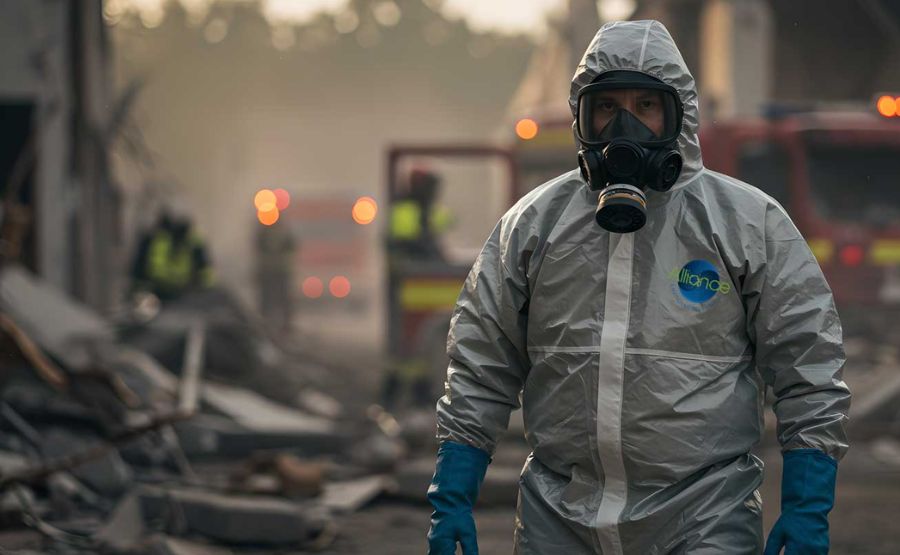
Biohazard restoration depends on specialized equipment that improves both safety and cleaning effectiveness. Professional restoration companies invest in advanced technology designed specifically for hazardous environments.Protective clothing forms the first layer of safety. Technicians wear disposable protective suits, gloves, respirators, face shields, and specialized footwear to reduce exposure while working inside contaminated areas.Commercial disinfectant application systems distribute cleaning solutions evenly across affected surfaces. These tools improve coverage while helping technicians reach difficult locations that cannot be cleaned manually.Air filtration systems equipped with high-efficiency filters help improve indoor air quality throughout the restoration process. These machines capture airborne particles generated during cleanup and support a safer working environment.Specialized moisture control equipment may also be required when biological contamination is associated with flooding or sewage backups. Proper drying reduces additional microbial growth and supports complete restoration.
Restoring Safe Indoor Environments
Successful restoration extends beyond removing hazardous materials. The ultimate goal is creating an environment where occupants can safely return with confidence.Professional restoration specialists inspect every affected area carefully before completing the project. Surfaces are cleaned, disinfected, deodorized, and evaluated to confirm that contamination has been properly addressed.Attention is also given to hidden areas where contamination may have spread beneath flooring, behind walls, or inside structural cavities. Thorough inspection and treatment help eliminate future health concerns while improving the long-term condition of the property.Restoring indoor safety requires precision, experience, and attention to detail. Professional restoration teams combine technical knowledge with specialized equipment to deliver reliable results that protect both people and property.
Choosing Qualified Biohazard Restoration Professionals
Selecting the right restoration company is one of the most important decisions after a biohazard incident. Hazardous contamination requires more than general cleaning knowledge because improper handling can increase health risks and spread contaminants throughout the property. Professional restoration specialists receive specialized training, use industry-approved procedures, and follow strict safety standards to ensure that every stage of the cleanup is completed correctly.
Experienced restoration professionals begin by conducting a thorough assessment of the affected area. They identify contaminated materials, determine the extent of the exposure, and develop a customized restoration plan based on the specific circumstances. This organized approach ensures that every affected surface receives the appropriate treatment while minimizing unnecessary disruption to the rest of the property.Professional restoration companies also maintain clear communication throughout the project. Property owners receive updates regarding the restoration process, expected completion timelines, and the steps being taken to restore the environment safely. This transparency helps reduce stress during an already difficult situation.
How Professional Cleanup Prevents Long-Term Problems
Biohazard contamination can continue affecting a property long after the initial incident if it is not handled correctly. Harmful microorganisms may remain inside porous materials, unpleasant odors may persist, and hidden contamination can create ongoing health concerns.Professional restoration focuses on eliminating these long-term risks rather than simply cleaning visible surfaces. Technicians carefully inspect surrounding materials, evaluate hidden spaces, and disinfect all affected areas using professional-grade products designed for hazardous environments.Complete decontamination also protects the structural integrity of the property. Materials that cannot be safely restored are removed and replaced, while salvageable surfaces receive specialized treatment to eliminate contamination without causing unnecessary damage.By addressing every stage of the restoration process, professionals reduce the possibility of recurring issues and create a safer indoor environment for future occupants.
Restoring Indoor Air Quality After Biohazard Incidents
Indoor air quality often becomes a concern after biological contamination. Airborne particles, odors, and microscopic contaminants may continue circulating throughout the property if specialized restoration procedures are not performed.Professional restoration teams use advanced air filtration systems designed to capture airborne particles and improve indoor conditions during cleanup. High-efficiency filtration equipment helps remove contaminants while supporting a cleaner environment throughout the restoration process.Odor removal is another important part of restoring indoor comfort. Instead of covering unpleasant smells with fragrances, professionals eliminate odor-causing contaminants at their source. Specialized deodorization methods help restore fresh indoor conditions while supporting complete property recovery.Improved air quality contributes to a healthier environment for occupants and provides confidence that the restoration process has been completed thoroughly.
Protecting Residential and Commercial Properties
Professional biohazard restoration is valuable for both residential and commercial properties because every environment presents unique challenges. Homes require careful restoration to protect families and preserve personal belongings, while commercial buildings must restore safe working conditions for employees, customers, and visitors.Residential restoration often focuses on protecting living spaces, furniture, flooring, and structural materials. Restoration specialists work carefully to restore comfort while minimizing unnecessary demolition whenever possible.Commercial restoration may involve offices, healthcare facilities, industrial buildings, retail spaces, or public environments. These projects often require organized scheduling to reduce business interruptions while maintaining strict safety standards throughout the cleanup process.Regardless of the property type, professional restoration helps restore confidence by creating a clean, safe, and functional environment.
Preventive Measures After Restoration
Completing restoration is only the beginning of protecting a property from future biohazard risks. Preventive maintenance and proper sanitation practices help reduce the possibility of similar situations occurring again.Routine inspections allow property owners to identify moisture problems, plumbing leaks, sewage issues, and sanitation concerns before they become serious emergencies. Addressing small issues early often prevents larger restoration projects later.Proper maintenance of plumbing systems, drainage components, and ventilation also supports healthier indoor conditions. Quickly responding to spills, leaks, and contamination events helps reduce biological growth and limits damage.Professional restoration specialists may also provide recommendations for improving sanitation procedures and emergency preparedness based on the property’s specific needs. These recommendations contribute to long-term safety and improved property management.
The Long-Term Value of Professional Biohazard Restoration
Investing in professional restoration provides benefits that continue well beyond the cleanup process. A properly restored property offers improved safety, healthier indoor conditions, and greater protection against future contamination.Professional restoration also helps preserve property value by addressing damage before it becomes more severe. Careful cleaning, structural repairs, and complete decontamination reduce long-term deterioration while maintaining the overall condition of the building.Another significant benefit is peace of mind. Property owners can feel confident knowing that trained professionals have handled hazardous materials according to recognized safety procedures and industry best practices.Choosing experienced specialists also reduces the likelihood of repeated cleanup expenses because the original contamination has been addressed thoroughly rather than temporarily.
Why Professional Restoration Is the Safest Solution
Biohazard incidents require careful planning, specialized equipment, and professional expertise. Attempting to clean hazardous contamination without proper training can increase health risks and create additional property damage.Professional biohazard cleanup provides a complete restoration solution that includes assessment, containment, hazardous material removal, disinfection, deodorization, and final inspection. Every stage is designed to restore the property safely while protecting occupants from unnecessary exposure.By combining advanced technology with proven restoration methods, experienced professionals deliver reliable results that support long-term property protection and healthier indoor environments.
Conclusion
Biohazard contamination requires immediate attention and specialized restoration techniques to protect both people and property. Whether the situation involves biological materials, sewage backups, traumatic incidents, or other hazardous conditions, professional restoration provides the safest and most effective path to recovery.A complete restoration process includes detailed inspections, careful containment, thorough cleaning, professional disinfection, odor removal, and preventive recommendations that reduce future risks. Every stage focuses on restoring the property while protecting the health of everyone who enters the space.Choosing experienced biohazard cleanup specialists ensures that contamination is handled correctly from beginning to end. With professional care, specialized equipment, and comprehensive restoration methods, properties can be safely restored and prepared for long-term use with confidence.




Post Comment