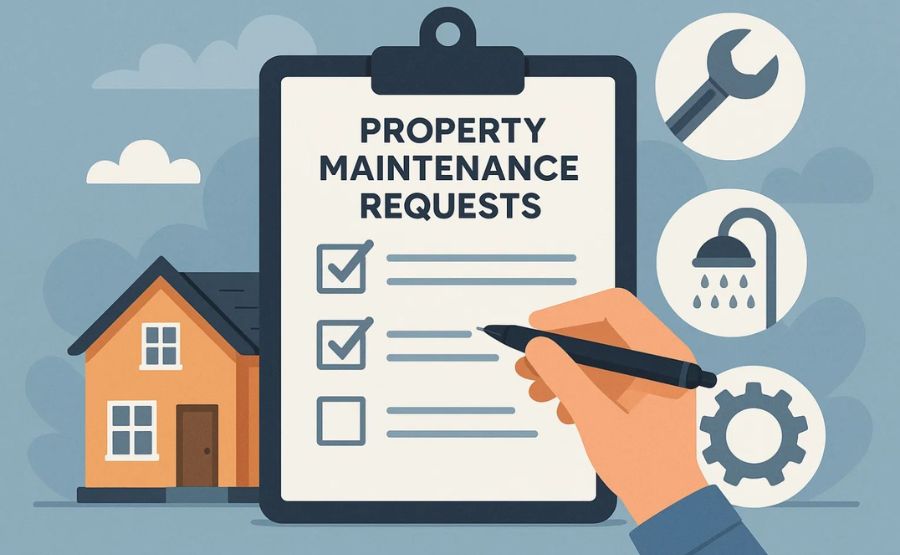
Essential Services, Common Problems, and Practical Solutions for Every Property
Introduction
A properly functioning water and drainage system is essential for maintaining a comfortable, hygienic, and safe property. From delivering clean water to removing wastewater, every component plays an important role in everyday activities. Whether in a residential building or a commercial space, a reliable system helps prevent unnecessary inconvenience and protects the structure from avoidable damage. Understanding how these systems work allows property owners to recognize potential problems and make informed maintenance decisions before minor issues become expensive repairs. Plumbing is an important part of modern construction because it supports kitchens, bathrooms, laundry areas, heating systems, and other essential facilities. Although most people rarely think about pipes and drainage when everything works correctly, even a small malfunction can interrupt daily routines. A leaking connection, blocked drain, or damaged water supply line may lead to moisture problems, unpleasant odors, and increased utility expenses. Regular inspections and responsible maintenance can help keep these systems operating efficiently throughout the year.
Understanding the Importance of Modern Water Systems
Water supply and drainage systems are designed to provide convenient access to clean water while safely carrying used water away from the building. These systems contain several interconnected components, including supply pipes, drainage lines, valves, fixtures, connectors, and ventilation pipes. Each component performs a specific function, and the entire network must work together to maintain consistent performance. Understanding these basic elements makes it easier to identify unusual changes and communicate effectively with qualified professionals when repairs are necessary. Modern plumbing systems are developed to meet everyday household and commercial requirements while supporting water efficiency and sanitation. Proper installation ensures that water reaches different fixtures with suitable pressure and that wastewater moves through drainage lines without unnecessary obstruction. Poor workmanship, unsuitable materials, or incorrect connections can create recurring problems that affect the entire property. For this reason, selecting appropriate materials and following recognized installation standards are important steps in maintaining a dependable water infrastructure.
Common Problems That Affect Water Systems
Leaks are among the most common problems experienced by property owners. They may develop around faucets, pipe joints, toilets, shower connections, or hidden supply lines. Sometimes a leak is immediately noticeable because water collects beneath a fixture, while other leaks remain concealed behind walls or under floors. Even a slow drip can waste considerable water over time and contribute to damp surfaces, damaged paint, unpleasant smells, and mold growth. Early detection is therefore essential for reducing repair expenses and preventing additional property damage. Blocked drains are another frequent concern that can interfere with normal household activities. Grease, soap residue, hair, food particles, and other materials may gradually collect inside drainage pipes and restrict the movement of wastewater. A partially blocked drain often produces slow drainage, bubbling sounds, or unpleasant odors before becoming completely obstructed. Ignoring these warning signs may eventually cause water to back up into sinks, showers, or other fixtures. Routine cleaning and responsible disposal habits can reduce the likelihood of recurring blockages. Low water pressure can also create frustration, particularly when several fixtures are being used simultaneously. This issue may result from mineral deposits, partially closed valves, damaged pipes, leaking connections, or problems with the main supply. Identifying the actual cause is important because simply replacing a faucet or showerhead may not resolve an underlying system issue. A qualified technician can inspect the relevant components, evaluate water flow, and recommend an appropriate solution based on the condition of the installation.
The Importance of Professional Installation
Professional installation plays a significant role in the long-term performance of residential and commercial water systems. Incorrect pipe connections, unsuitable fittings, and poorly positioned drainage lines can create problems that become increasingly expensive to correct. Experienced technicians understand how to plan pipe routes, select compatible materials, maintain suitable gradients, and install fixtures according to applicable building requirements. Their knowledge helps ensure that individual components work together instead of creating unnecessary pressure, leakage, or drainage complications. When planning a new installation, property owners should consider the building layout, expected water consumption, available supply pressure, and future maintenance requirements. Proper planning also makes it easier to access important valves and connections when repairs are needed. A well-designed plumbing system should provide reliable performance without making routine servicing unnecessarily difficult. Investing in professional workmanship from the beginning can reduce the risk of repeated repairs and improve the overall usability of the property.
Choosing Suitable Pipes and Materials
The quality of pipes and fittings has a direct influence on the durability and reliability of a water distribution network. Different materials are designed for different applications, and their suitability depends on factors such as water temperature, pressure requirements, installation conditions, and local building regulations. Common options include copper, PVC, CPVC, PEX, and other approved materials. Each option has its own advantages, limitations, installation requirements, and expected service life, making professional guidance valuable during material selection. Copper pipes are widely recognized for their durability and resistance to many forms of corrosion. PEX piping offers flexibility and can simplify installation in certain building layouts, while PVC and CPVC products are commonly used for specific drainage and water supply applications. However, no material should be selected without considering its intended use and compatibility with the existing system. Using approved products and suitable fittings helps reduce installation problems and supports dependable performance over an extended period.
Preventive Maintenance for Better Performance
Preventive maintenance is one of the most effective ways to protect a property’s water and drainage infrastructure. Instead of waiting until something stops working, property owners should periodically inspect visible pipes, faucets, valves, toilets, and drainage outlets. Looking for corrosion, moisture, unusual noises, loose fittings, and changes in water pressure can reveal early signs of deterioration. Taking action when these warning signs first appear often prevents small maintenance concerns from developing into major repairs. A regular plumbing maintenance routine should also include checking for slow leaks, cleaning suitable drain covers, and ensuring that accessible shutoff valves operate correctly. Homeowners should avoid pouring cooking grease, coffee grounds, and unsuitable materials into kitchen drains because these substances can contribute to blockages. It is also helpful to understand the location of the main water shutoff valve so that the supply can be stopped quickly during an emergency. These simple precautions can protect both the building and its occupants.
Improving Water Efficiency and Reducing Waste
Water conservation is becoming increasingly important for households and businesses because responsible consumption benefits both the environment and property budgets. Small changes, such as repairing dripping faucets, installing efficient showerheads, and choosing water-saving toilets, can reduce unnecessary water use. Regularly checking appliances and supply connections also helps prevent hidden leaks that may continue wasting water for extended periods without attracting attention. An efficient plumbing setup can support conservation by maintaining suitable water pressure, minimizing leakage, and using fixtures designed to reduce unnecessary consumption. Modern taps, shower systems, and appliances often include features that deliver practical performance while using less water. Property owners should also consider the condition of older pipes because corrosion and internal deposits may reduce efficiency. Replacing unsuitable components when necessary can improve reliability and support more responsible water management.
Bathroom and Kitchen System Maintenance
Bathrooms contain several fixtures that depend on properly installed supply and drainage connections. Toilets, showers, bathtubs, sinks, and faucets all require regular attention to maintain good performance. Loose toilet connections, damaged seals, leaking showerheads, and blocked basin drains can cause inconvenience if they are not addressed promptly. Regularly checking these fixtures helps property owners recognize problems before moisture spreads into surrounding floors, cabinets, or walls. Kitchens also require dependable water systems because sinks, dishwashers, refrigerators, and other appliances may share supply and drainage connections. Food particles and cooking grease can gradually accumulate inside pipes, making kitchen drains especially vulnerable to blockages. Cleaning strainers, avoiding unsuitable waste disposal, and inspecting connections beneath the sink are useful maintenance practices. If repeated blockages occur, a professional inspection may be necessary to identify deeper drainage issues rather than repeatedly treating the visible symptoms.
Recognizing Warning Signs Before Major Damage
Many serious water system problems begin with small changes that are easy to overlook. An unexplained increase in a water bill, persistent dampness, discolored water, unusual pipe sounds, or a musty smell may indicate an underlying issue. These signs should not automatically be ignored, even when the fixtures appear to function normally. Investigating unusual conditions early can help identify hidden leaks, deteriorating materials, or developing drainage problems before they affect larger areas of the building. Another important warning sign is repeated failure of the same fixture or connection. For example, if a drain becomes blocked several times within a short period, the obstruction may be located deeper inside the drainage network. Similarly, recurring leaks around the same fitting could indicate excessive pressure, incorrect installation, or worn components. A professional assessment can help identify the underlying cause and prevent unnecessary spending on temporary solutions that do not address the actual problem.
Emergency Repairs and Immediate Safety Measures
Water-related emergencies can occur unexpectedly and may cause substantial property damage if they are not handled quickly. A burst pipe, overflowing toilet, failed water heater connection, or major leak can affect flooring, walls, furniture, electrical equipment, and personal belongings. Knowing how to respond calmly is important because quick action can reduce the amount of damage. Whenever possible, the main water supply should be shut off, and electrical hazards should be avoided in areas affected by standing water. During an emergency, property owners should contact a qualified repair professional rather than attempting complicated work without suitable equipment or experience. Temporary measures may help control a small leak, but they should never replace a proper assessment when significant damage or unsafe conditions are involved. Professional technicians can identify damaged sections, replace unsuitable components, test repaired connections, and confirm that the affected system is functioning safely before normal use resumes.
Commercial and Residential Maintenance Requirements
Residential and commercial properties often have different water consumption patterns and maintenance requirements. Homes generally contain smaller systems serving kitchens, bathrooms, laundry facilities, and outdoor connections. Commercial buildings may require more extensive installations that support multiple washrooms, kitchens, production areas, or specialized equipment. Because these buildings often experience heavier daily usage, their pipes, fixtures, and drainage networks may require more frequent inspections and carefully planned servicing. A dependable Plumbing maintenance strategy should reflect the size, age, and purpose of the building. Commercial property managers may benefit from maintaining inspection records, documenting previous repairs, and arranging periodic evaluations of essential equipment. Residential property owners should also keep basic maintenance records, particularly when dealing with older installations or recurring problems. Organized maintenance makes it easier to identify patterns, plan replacements, and manage repair costs more effectively.
How to Select a Reliable Service Professional
Choosing a qualified professional is an important decision whenever installation, inspection, or repair work is required. Property owners should consider relevant experience, technical knowledge, licensing requirements, insurance coverage, and customer feedback. A reliable technician should be able to explain the problem clearly, describe the proposed solution, and provide a reasonable estimate before beginning significant work. Clear communication helps customers understand which repairs are necessary and which improvements can be planned for the future. It is also sensible to ask about the materials being used, expected repair time, available warranties, and any maintenance recommendations. Professional service providers should follow applicable safety requirements and avoid recommending unnecessary replacements without explaining their reasons. Comparing several estimates can help property owners understand the expected cost, although the lowest price should not always determine the final decision. Quality workmanship and suitable materials are essential for achieving lasting results.
Modern Technology and the Future of Water Management
Technology continues to improve the way buildings manage water distribution, detect leaks, and monitor consumption. Smart water monitoring devices can track usage patterns and identify unusual changes that may indicate a hidden leak. Some advanced systems can also send alerts when abnormal water flow is detected, allowing property owners to investigate potential problems more quickly. These technologies are particularly useful in buildings where supply lines are difficult to access or where unexpected water damage could be costly. Modern Plumbing solutions increasingly focus on efficiency, durability, and convenient maintenance. Improved pipe materials, advanced leak detection equipment, water-saving fixtures, and automated monitoring systems can help property owners manage their resources more effectively. Although technology cannot eliminate every maintenance issue, it can make certain problems easier to identify and manage. Combining suitable modern equipment with regular professional inspections creates a practical approach to protecting important building infrastructure.
Conclusion
Reliable water supply and drainage systems are essential for maintaining the comfort, safety, and functionality of any property. From preventing leaks and clearing blocked drains to selecting suitable materials and improving water efficiency, responsible maintenance makes a significant difference in long-term performance. Property owners who understand common warning signs can take action earlier, reduce unnecessary expenses, and avoid many problems associated with neglected installations. Professional workmanship, regular inspections, and appropriate upgrades all contribute to a dependable system. Whether dealing with a minor faucet leak, planning a complete installation, or improving an older building, informed decisions help protect the property and support everyday convenience. By making maintenance a priority and choosing qualified professionals when needed, homeowners and business operators can enjoy better performance, improved water management, and greater confidence in their essential building systems.




Post Comment