Can a Battery Backup Power Your Entire Home?
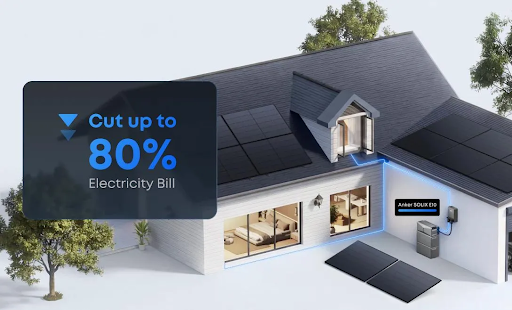
Power outages hit without warning and can shut down heating, cooling, fridges, medical devices, and work equipment. Many homeowners now ask if a single battery backup can keep everything running, not just a few lights. Whole-home battery systems have advanced fast, and brands now offer solutions that rival traditional standby generators. These modern systems promise quiet operation, clean energy, and seamless switchover when the grid fails. But you still need to know whether a battery can truly handle your entire home, for how long, and at what cost. This guide explains how whole-home battery backup works, the limits you should expect, how to size a system, and why options like the Anker SOLIX E10 are changing what’s realistically possible.
Can a Battery Power Your Entire Home?
Home Energy Needs
Every home uses power differently. A small, efficient house with gas heating and LED lighting needs far less backup power than a large, all-electric home with central AC, electric water heating, and EV charging. To see if a battery can power your entire home, you must estimate daily energy use in kilowatt-hours (kWh) and your peak power demand in watts. Check your electric bill for average kWh per day, then list big appliances like HVAC, well pumps, ovens, and dryers. A typical U.S. home might use 20–30 kWh per day, but peak demand can hit 7,000–12,000 watts when several large loads run together. Batteries can handle this, but only if capacity, output, and wiring match those real needs.
What Whole-Home Backup Means
Whole-home backup does not always mean “run everything like normal with no limits.” A true whole-home battery system connects through your main panel or a smart inlet box and can supply 120 / 240 VAC split-phase power, just like the grid. It keeps essentials on automatically when an outage hits. However, homeowners often still manage usage to stretch runtime, especially during long blackouts or bad weather. A robust system can run central AC, fridge, lights, internet, and some cooking appliances, but maybe not all at once for many days. Modern solutions like the Anker SOLIX E10 focus on high output and smart controls so your entire home can stay powered with fewer compromises.
Key Factors That Affect Performance
Capacity and Output
Two main specs decide what your battery backup can do: energy capacity and power output. Capacity, measured in kWh, tells you how long the system can run your loads. Output, measured in watts and amps, tells you what it can run at any given moment. For whole-home use, you want a system that supports 120 / 240 VAC split-phase with strong continuous power. The Anker SOLIX E10 Power Module provides 7,680W, 32A of maximum continuous output, and up to 10,000W, 41.6A for 90 minutes with its battery. That level supports heavy startup loads and major appliances. Look at both numbers. High capacity without enough output can still leave large devices or well pumps unable to start.
Load Management
Even with a powerful inverter, smart load management makes the difference between frustration and comfort. Load management means controlling which circuits run at the same time so you avoid overloading the system and wasting energy. Many modern systems support smart panels or circuits that prioritize essentials like refrigeration, heating, internet, and some lighting. You can delay energy-hungry devices such as EV chargers, electric ovens, and clothes dryers until solar recharges the batteries or grid power returns. Solutions like Anker SOLIX pair high output with system components such as a Power Dock and Smart Inlet Box, allowing you and your installer to design a setup that automatically handles transfer, protection, and efficient energy use during outages.
Best Battery Backup Options (2026)
Anker SOLIX Whole-Home Solution
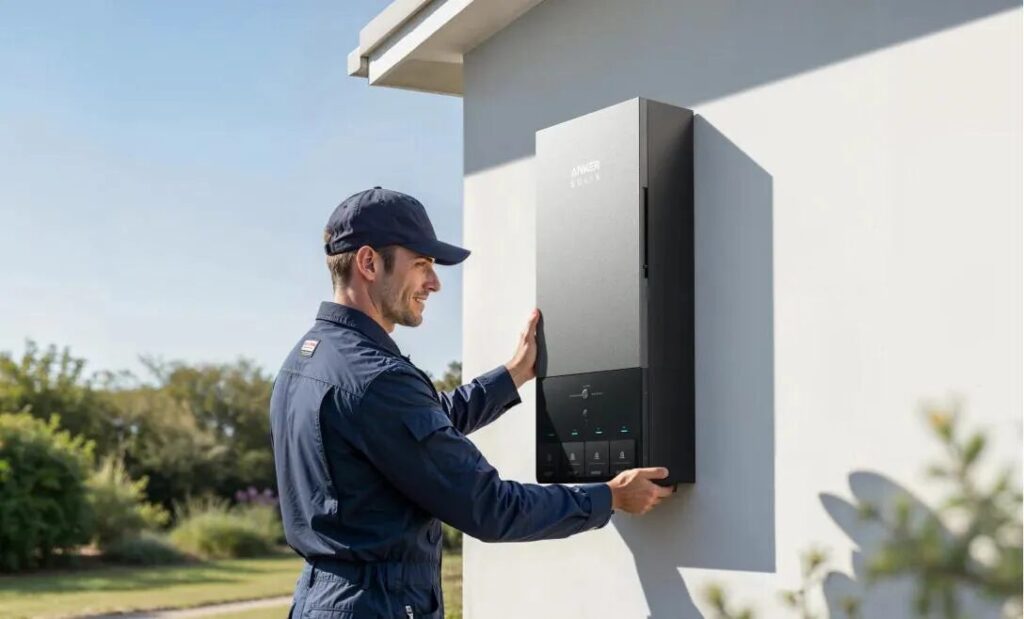
Anker SOLIX E10 offers a dedicated whole-battery backup home ecosystem built for reliability and flexibility. The E10 Power Module delivers 120 / 240 VAC split-phase power at 60Hz, with 7,680W, 32A continuous output. With a B6000 Battery Module, it reaches 10,000W, 41.6A for up to 90 minutes and supports even higher Turbo Backup currents when you add more batteries or inverters, up to 275A with multiple inverters and battery pairs. It supports 2x 4,500W solar PV input (30–450V DC, 15A Imp), a 4,500W DC generator input, AC input recharging at 9,600W (240V / 40A), and a 5500 Smart Generator. NEMA Type 4 (IP66) weather protection, Wi-Fi, Bluetooth, and a 5-year warranty round out a robust home-ready package.
Battery vs Generator
Battery backup systems and generators both keep your home powered, but they work very differently. A smart battery system runs quietly, produces no onsite emissions, and switches over almost instantly. It also pairs with solar to charge when the grid is down. A fuel generator, even a smart model like the 5500 Smart Generator, relies on gasoline, propane, or diesel, and requires regular maintenance. However, generators can run as long as you keep fuel available, making them useful for very long outages. Many homeowners now choose hybrid setups: a primary battery system such as Anker SOLIX E10 plus a generator input for extended emergencies or poor solar conditions.
Conclusion
A battery backup can power your entire home when you size it correctly and manage loads wisely. Modern systems now deliver split-phase 120 / 240 VAC, high continuous output, and strong surge performance, making them practical replacements or partners for traditional generators. By understanding your daily kWh use, peak power demand, and critical circuits, you can choose a setup that keeps essential devices and comfort systems running through outages. Solutions like the Anker SOLIX E10, with its powerful inverter, expandable battery modules, solar-ready inputs, and smart generator compatibility, give homeowners a flexible, long-term path to energy resilience. Careful planning with a qualified installer turns the idea of whole-home battery backup into everyday reality.




Post Comment