How Do Modular Generators Change Backup Power Systems?
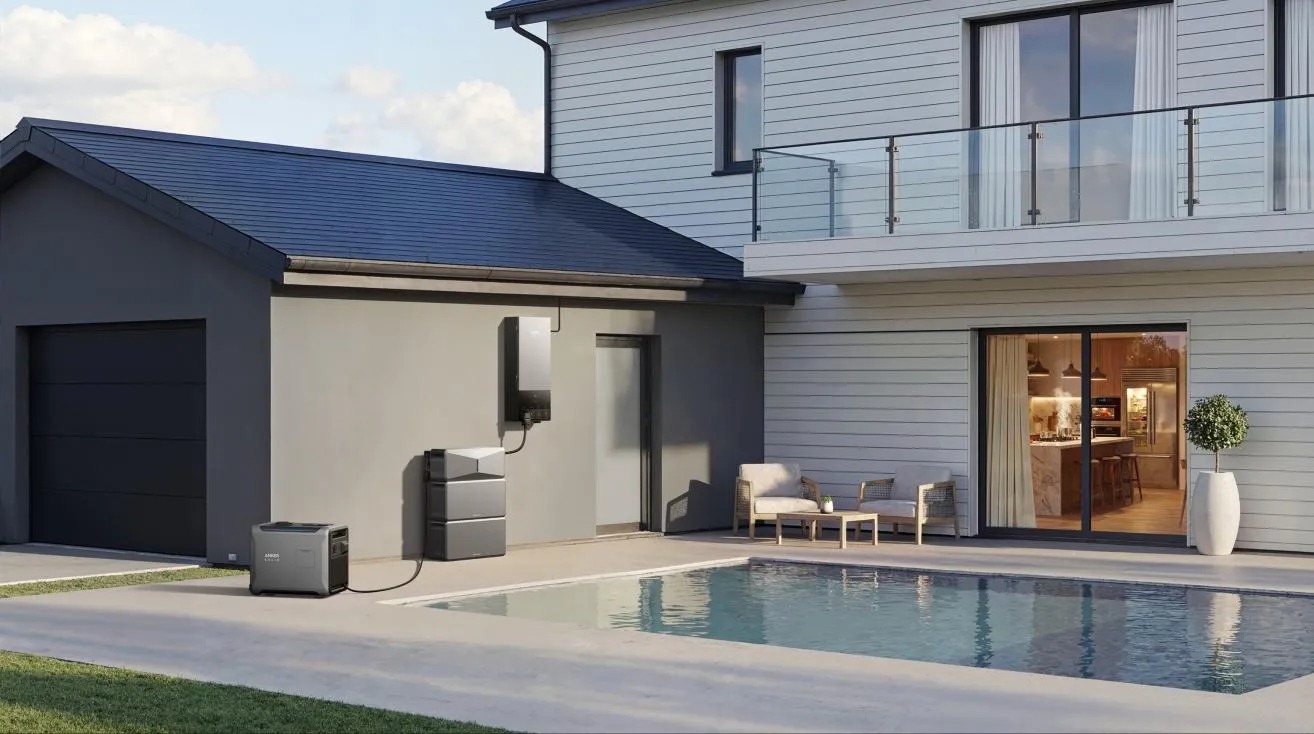
Modular generators give homeowners a new way to control backup power. Instead of buying a single, fixed-size unit, you build a system from smaller modules and expand as needed. This approach fits modern homes that mix solar, batteries, and traditional backup. For example, systems like Anker SOLIX E10 pair high solar input with flexible generator output. They accept 9kW–27kW of solar input, deliver 7.6–22.8kW rated output, and boost up to 10kW–30kW turbo output. You match these capabilities to your home’s essential loads, then add modules over time to support more rooms, more appliances, or even EV charging.
What Are Modular Generators and How Do They Work?
Modular generators use several interconnected units that share loads and controls. Each module adds power or storage, so the full system works like one large, coordinated backup power solution.
Definition and Core Components of Modular Systems
A modular generator system combines several smaller power units into one flexible backup solution. Instead of a single large generator, you use generator and battery modules, inverters, and a control hub. Each module contributes power, storage, or conversion. For example, a system may accept 9kW–27kW solar input and provide 7.6–22.8kW rated output, with up to 10kW–30kW turbo output during peaks. These specs guide how many modules you deploy. The core components include AC generators, battery packs, MPPT solar chargers, transfer switches, and smart controllers that balance loads. Together, they deliver reliable backup power that adapts to changing home needs.
How Modular Units Connect and Operate as One System
Modular units link through dedicated bus bars, data cables, and safety disconnects. The control hub monitors all modules, then decides which units supply power or charge at any given moment. When the grid fails, the system’s transfer switch isolates the home and signals the modules to start. Generator modules ramp up first, then batteries and solar contribute based on available energy. The system shares loads across units, so no single module carries too much. Homeowners see only one interface, even though multiple units run together. The result feels like one generator, but with the flexibility to add or remove modules.
Scalability: Expanding Power as Home Needs Grow
Modular generators scale with your lifestyle. Start small for essential circuits, then expand capacity with extra battery and generator modules as you add appliances, home offices, or electric vehicles.
Add-On Battery and Generator Modules for Higher Capacity
A modular whole house generator system lets you start with a basic setup, then add more capacity when your needs grow. If your first configuration only supports fridges, lights, and basic outlets, you can install more generator modules later for heavy loads like HVAC or well pumps. Battery modules extend backup runtime and capture more solar energy from inputs ranging from 9kW to 27kW. The control hub recognizes each new module and automatically includes it in power planning. You avoid replacing the entire system and instead stack extra units, much like building blocks, to reach higher-rated and turbo outputs over time.
Flexible System Design for Small to Large Homes
Modular generators make it easier to tailor a backup system to different home sizes. A small home may only need a few modules to cover lighting, refrigeration, and internet, with around 7.6kW rated output. A large home, or one with electric heating and EV charging, can scale up toward 22.8kW rated output and short bursts up to 30kW turbo. Designers group circuits by priority zones: essential, comfort, and luxury. You assign more modules to support higher tiers. This staged design keeps costs under control for small homes while still giving bigger properties room to grow their backup systems.
Faster Installation and Easier Maintenance
Modular generators reduce installation time and simplify service. Installers handle smaller, lighter units, while standardized connections and software recognition cut wiring complexity and configuration work on site.
Plug-and-Play Design and Simplified Setup
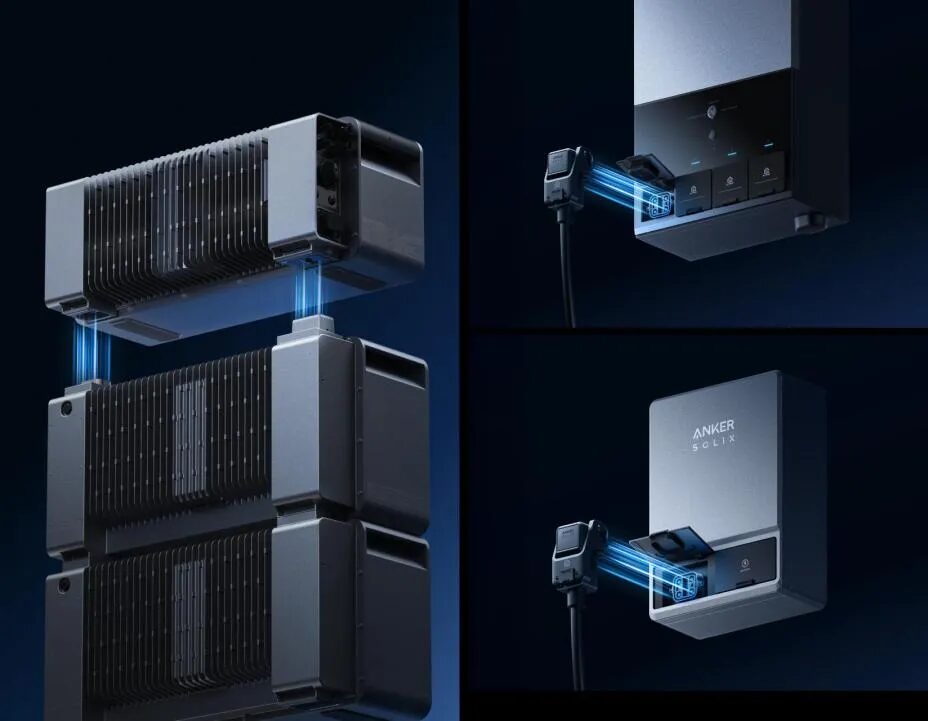
Many modular systems use plug-and-play wiring harnesses and preconfigured control units. Installers mount the modules, link them with color-coded cables, and connect them to the home’s main panel and transfer switch. The control hub auto-detects each unit and sets default parameters for load sharing and charging. This approach reduces design mistakes and speeds inspection. Lighter modules also improve safety, since installers do not need to move one heavy generator into place. For systems combining solar, battery, and generator input, standardized connectors help integrate panels that provide between 9kW and 27kW, keeping setup clear and repeatable.
Maintenance Flexibility and Reduced Downtime
Modular generators also simplify long-term maintenance. If one module needs service, technicians isolate and remove that unit while the others continue running. The home retains partial backup power instead of losing everything. Smaller modules often share common parts, which streamlines stocking and repair. Remote diagnostics tools let support teams check status, run tests, and schedule maintenance before failures occur. Because the system spreads wear across multiple units, no single module runs at full load all the time. This balanced operation can extend component life and reduce surprise breakdowns, lowering both downtime and maintenance costs over the system’s lifetime.
Enhanced Energy Efficiency and Smart Power Management
Modular systems improve efficiency by matching active modules to real-time demand. Smart controls balance load, integrate solar, and manage battery charging to reduce fuel use and grid dependence.
Load-Based Power Distribution Across Modules
Smart controllers watch real-time power use and decide how many modules need to run. During low demand, the system keeps only a few units active at efficient output levels while others rest. When your home draws more power, the controller starts extra modules or unlocks turbo output, reaching up to 10kW–30kW for short peaks. This load-based strategy avoids running one large generator at light, inefficient loads. Modules also coordinate with solar input between 9kW and 27kW to reduce fuel consumption. The result is a backup system that wastes less energy and responds smoothly to changing household demands.
Intelligent Monitoring and Remote Control Systems
Most modular generator platforms include cloud-connected monitoring and control. Homeowners use apps or web dashboards to check power flows, battery levels, and module status from anywhere. You can see how much power solar supplies, how close you are to rated output, and when turbo output kicks in. Alerts warn you before loads exceed safe limits or when a module needs service. Some systems also support time-of-use optimization, charging batteries when grid power costs less and discharging when prices rise. These features help owners fine-tune performance, protect sensitive devices, and reduce dependence on the grid without complex manual adjustments.
Conclusion
Modular generators change backup power from a fixed asset into a flexible, evolving system. Homeowners scale from basic emergency coverage to whole-home support by stacking generator and battery modules. Systems like Anker SOLIX E10, with 9kW–27kW solar input, 7.6–22.8kW rated output, and 10kW–30kW turbo output, show how modular design pairs with smart controls to handle diverse loads. Faster installation, easier maintenance, and intelligent monitoring lower ownership barriers. As more homes add solar, batteries, and electric vehicles, modular generator systems offer a practical path to build reliable, efficient backup power that grows alongside changing energy demands.



Post Comment