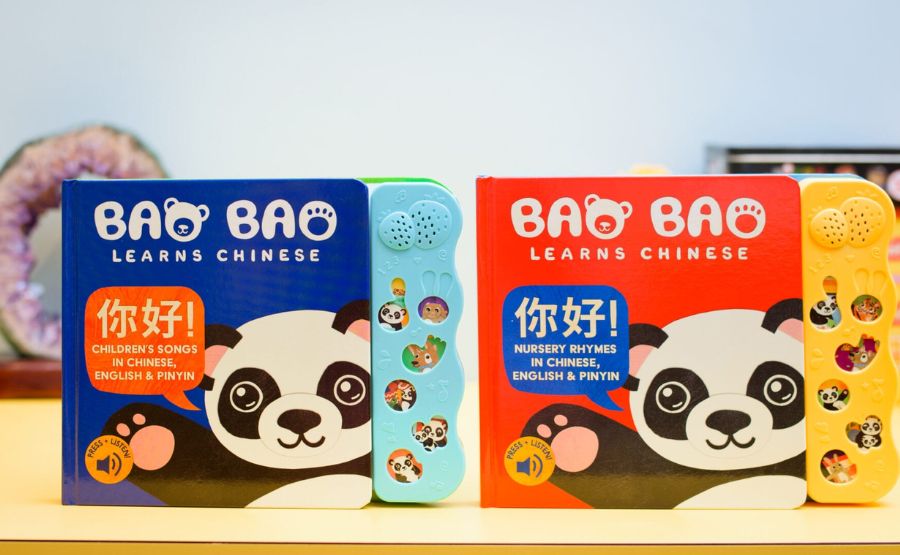
Can Chinese Story Books for Primary 6 Improve Comprehension Abilities?
At Primary 6, students are at a critical academic stage where language skills are closely linked to examination performance and overall academic confidence. Chinese comprehension, in particular, becomes more demanding as passages grow longer, vocabulary becomes more complex, and questions require deeper interpretation rather than simple recall. At this level, students are expected to understand not only what is written but also implied meanings, tone, and context.
One effective way to strengthen these skills is through consistent reading practice using Chinese story books for primary 6. When chosen and used correctly, storybooks can do more than improve reading fluency. They can enhance comprehension abilities, expand vocabulary, and develop critical thinking skills that are essential for higher-level Chinese language learning.
Why Comprehension Becomes More Challenging in Primary 6
As students progress to upper primary levels, Chinese comprehension passages become more sophisticated. They often include descriptive writing, narrative complexity, and inferential questions that require deeper understanding.
Students commonly face challenges such as:
- Difficulty understanding implied meanings
- Limited vocabulary for complex passages
- Struggling to identify key ideas in long texts
- Weak inference and analytical skills
These challenges make it important for students to engage with structured reading materials regularly.
How Story-Based Reading Improves Understanding
Reading storybooks allows students to experience language naturally and engagingly. Unlike direct textbook exercises, stories provide context, emotion, and narrative flow, which help students understand how language is used in real situations.
A well-selected primary Chinese book often introduces students to storytelling techniques, vocabulary in context, and sentence structures that appear in examinations.
Through regular reading, students can:
- Understand sentence meaning in context
- Recognise narrative structure and flow
- Improve reading speed and fluency
- Develop better attention to detail
Story-based learning makes comprehension feel more meaningful and less mechanical.
Building Vocabulary Through Repeated Exposure
One of the biggest advantages of reading Chinese storybooks is natural vocabulary acquisition. Students learn new words not through memorisation, but through repeated exposure in meaningful contexts.
When students encounter unfamiliar words in stories, they begin to understand meaning based on usage, which strengthens retention.
Benefits of vocabulary exposure through reading include:
- Better understanding of comprehension passages
- Improved ability to express ideas in writing
- Stronger sentence construction skills
- Increased confidence during exams
Regular reading gradually reduces the fear of unfamiliar vocabulary.
Developing Inference and Critical Thinking Skills
Primary 6 comprehension questions often test inference skills, where answers are not directly stated in the passage. Students must interpret meaning, analyse context, and draw conclusions.
Reading storybooks helps develop these skills because stories naturally involve emotions, character motivations, and implied meanings.
Students improve their thinking abilities by:
- Predicting story outcomes
- Understanding character behaviour
- Identifying cause-and-effect relationships
- Interpreting implied messages
These skills are essential for answering higher-order comprehension questions effectively.
Strengthening Reading Fluency and Speed
Fluency plays a key role in comprehension performance. Students who read slowly often struggle to complete exams within the given time.
Consistent reading of Chinese story books for Primary 6 helps students become more comfortable with sentence structures, allowing them to read faster without losing understanding.
Improved fluency leads to:
- Faster comprehension during exams
- Better focus on question analysis
- Reduced reading fatigue
- Increased confidence during timed assessments
Fluency is built through consistent exposure, not last-minute practice.
Connecting Story Reading with Structured Learning
While storybooks are valuable, structured academic materials remain equally important. Students perform best when they combine enjoyable reading with guided learning exercises.
Many educators recommend balancing story reading with a structured primary Chinese book that focuses on comprehension practice, vocabulary reinforcement, and exam-style questions.
This combination helps students:
- Apply story vocabulary in academic writing
- Understand question formats more clearly
- Strengthen both enjoyment and accuracy in learning
- Develop balanced language skills
Structured and creative learning together produce stronger results.
Encouraging Daily Reading Habits
Consistency is more important than volume when it comes to language improvement. Even short daily reading sessions can significantly improve comprehension abilities over time.
Effective reading habits include:
- Reading for 15 to 30 minutes daily
- Revisiting difficult passages for better understanding
- Discussing story content with parents or teachers
- Summarising stories in simple sentences
These habits help students retain language skills more effectively.
Improving Writing Skills Through Reading
Reading and writing are closely connected. Students who read regularly often develop better sentence structures, vocabulary usage, and idea organisation in writing tasks.
Storybooks expose students to:
- Narrative sentence patterns
- Descriptive vocabulary usage
- Logical story progression
- Emotional expression in writing
These elements help students improve their composition skills naturally over time.
Reducing Exam Anxiety Through Familiarity
Many Primary 6 students experience stress during Chinese examinations due to unfamiliarity with passage styles or vocabulary difficulty. Regular reading helps reduce this anxiety by increasing familiarity with language patterns.
When students read frequently, they:
- Become comfortable with complex passages
- Develop stronger reading confidence
- Improve time management skills
- Reduce panic during exams
Familiarity leads to greater confidence and better performance.
Role of Parents in Supporting Reading Practice
Parental support plays an important role in building reading habits. Encouragement and guidance can make reading a more enjoyable experience for students.
Parents can help by:
- Encouraging daily reading routines
- Asking simple questions about stories
- Helping explain difficult words
- Creating a positive reading environment
Supportive involvement increases motivation and consistency.
Final Thoughts
Reading Chinese story books for primary 6 can significantly improve comprehension abilities when used consistently and purposefully. These books help students develop vocabulary, improve fluency, and strengthen critical thinking skills needed for advanced comprehension tasks.
When combined with structured learning through a primary Chinese book, students gain a balanced approach that supports both academic performance and language enjoyment. With consistent practice and guided learning support, SAP Books Singapore continues to play a valuable role in helping students build strong Chinese language foundations and improve comprehension confidence for examinations and beyond.
Frequently Asked Questions
1. How do Chinese story books help Primary 6 students?
Chinese storybooks improve vocabulary, reading fluency, and comprehension skills by exposing students to language in meaningful and contextual storytelling formats.
2. Can storybooks improve exam performance in Chinese?
Yes, regular reading helps students understand passage structures better, improve inference skills, and reduce anxiety during comprehension exams.
3. Should students rely only on storybooks for learning Chinese?
No, storybooks should be combined with structured materials like a primary Chinese book to ensure balanced learning, exam preparation, and skill development.



Post Comment