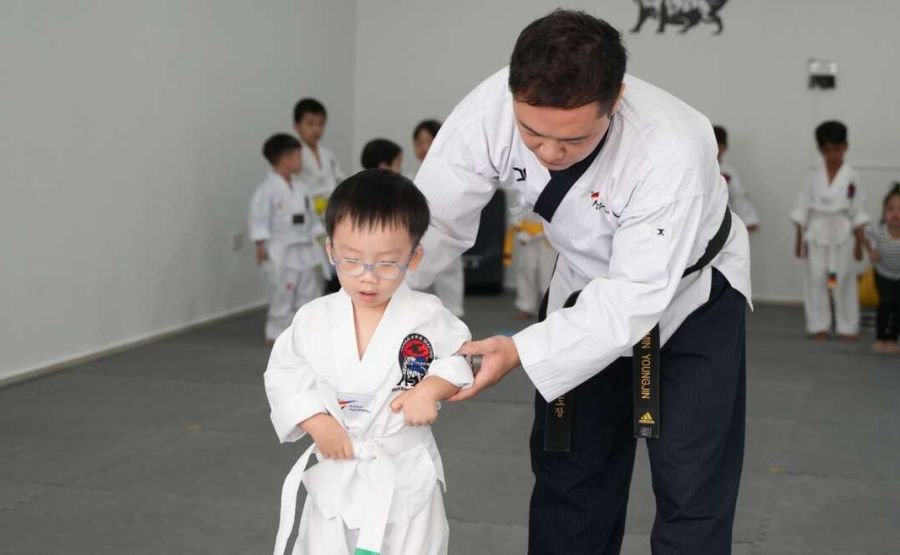
At What Age Should Kids Start Taekwondo? A Guide for Rego Park Parents
For parents in Rego Park, finding an activity that helps children stay active, build confidence, and develop useful life skills can be a rewarding experience. Taekwondo is one option that combines physical exercise with discipline, focus, coordination, and respect. But many parents wonder about the right age to begin.
There is no single age that works for every child. A child’s maturity, attention span, physical development, and interest all matter. However, many children can begin introductory martial arts activities during the preschool years, while more structured training often becomes easier as they get older.
What Is the Right Age to Start Taekwondo?
Children can often start beginner-level taekwondo around ages 4 to 6. At this stage, classes are usually designed around simple movements, balance, listening skills, and basic martial arts concepts rather than intense physical training.
Children around 6 to 8 may be ready for more structured instruction. They can generally follow multi-step directions, participate in organized activities, and understand basic rules.
Older children can also begin without previous martial arts experience. Starting later does not mean they cannot develop strong skills. In fact, older beginners may progress quickly because they can concentrate for longer periods and understand instructions more easily.
Parents considering Kids taekwondo classes should therefore focus less on a specific birthday and more on whether their child is ready for a structured group activity.
Signs Your Child May Be Ready
Age is only one part of the decision. Look for signs that your child can participate comfortably in a class environment.
Some useful indicators include:
- They can follow simple instructions from an instructor.
- They can participate in an activity without constant parental assistance.
- They are comfortable being around other children.
- They can wait for their turn.
- They show interest in learning physical movements.
- They can stay engaged for a short class period.
- They understand basic ideas about safety and personal space.
A child does not need to be especially athletic before starting. Beginner programs are designed to help children develop coordination and physical skills gradually.
What Younger Children Learn
For preschool-aged children, taekwondo is often less about advanced kicks or competition and more about developing basic physical and behavioral skills.
A beginner class may introduce:
- Balance and body control
- Simple stances
- Basic kicking and punching movements
- Stretching and warm-ups
- Listening and following directions
- Taking turns
- Respect for instructors and classmates
- Basic safety awareness
These activities can make martial arts feel enjoyable rather than overwhelming.
Why Taekwondo Can Be Beneficial for Children
Taekwondo involves more than physical movement. A well-structured children’s program can provide opportunities for children to practice discipline and persistence.
Physical Activity
Children spend class time moving, practicing techniques, stretching, and improving coordination. This can provide a structured alternative to spending too much time sitting or using screens.
Focus and Concentration
Students need to listen carefully to instructors and remember techniques. Repeating movements can encourage children to pay attention and work on details.
Confidence
Learning a new skill can give children a sense of accomplishment. Progressing from one technique to another can help them recognize that practice can lead to improvement.
Discipline
Taekwondo teaches children to follow class rules, listen to instructors, and practice consistently. These habits can also be useful outside the training environment.
Social Skills
Group classes give children opportunities to interact with classmates, practice cooperation, and learn how to respect others.
Choosing the Right Class for Your Child
Not every taekwondo program is structured in the same way. Parents in Rego Park should look for a program that matches their child’s age and developmental stage.
Consider asking about:
- The minimum starting age
- Class size
- Instructor experience with young children
- Class length
- Beginner curriculum
- Safety procedures
- Parent observation policies
- Trial or introductory classes
- How instructors handle different skill levels
A class designed specifically for young children may be more appropriate than a general martial arts class that combines children of widely different ages.
How Long Should a Young Child’s Class Be?
Younger children usually have shorter attention spans than older students. For this reason, introductory classes should balance instruction with movement and activities that keep children engaged.
If a child becomes tired or distracted after a certain amount of time, that does not necessarily mean taekwondo is unsuitable. It may simply mean the child needs a class designed for their age group.
As children become older and more accustomed to training, they can generally handle longer and more structured sessions.
What Should Parents Expect During the First Class?
The first class may look different from what parents expect. A young beginner is unlikely to spend the entire session practicing complicated martial arts techniques.
An introductory lesson may include a warm-up, basic movements, simple drills, and activities designed to help the child become comfortable with the instructor and classmates.
It is normal for a child to feel nervous at first. Some children participate immediately, while others need several classes before they become comfortable.
Parents should avoid putting pressure on a child to perform perfectly during the first session.
When Should a Child Wait Before Starting?
Some children may benefit from waiting until they are more comfortable with structured group activities. If a child consistently struggles to follow basic instructions, becomes extremely distressed in group settings, or has difficulty participating safely, parents can discuss the situation with the instructor.
This does not mean the child cannot learn taekwondo. A different class format, a little more time, or a later starting age may make the experience more enjoyable.
Parents should also communicate any relevant physical limitations or concerns to the instructor before training begins.
Making Taekwondo an Enjoyable Experience
Children are more likely to stay interested when martial arts feel like a positive activity rather than a source of pressure.
Parents can support their child’s experience by:
- Praising effort instead of only results.
- Allowing the instructor to teach during class.
- Avoiding comparisons with other children.
- Encouraging regular attendance.
- Asking the child what they enjoyed about class.
- Giving them time to develop skills naturally.
The goal during the early stages should be to develop a positive relationship with physical activity and learning.
Finding Kids Taekwondo Classes in Rego Park
For Rego Park families, the best starting point is to explore programs that offer age-appropriate instruction for children. Visiting a class or asking about a trial session can help parents understand the teaching style, environment, and expectations before making a commitment.
Look for instructors who are patient with beginners and understand that children develop at different speeds. A supportive environment can make a significant difference in whether a child enjoys martial arts and wants to continue.
Conclusion
Many children can begin introductory taekwondo around ages 4 to 6, while others may be more comfortable starting at 6, 7, 8, or later. The most important factors are not age alone but readiness, interest, attention span, and the quality of the program.
For Rego Park parents exploring Kids taekwondo classes, choosing an age-appropriate and supportive program can help children develop physical coordination, confidence, focus, discipline, and social skills while keeping the experience enjoyable.




Post Comment