Chemical Peel Strength Laevels: Light, Medium, And Deep—What Changes
You can stare at the words light, medium, and deep on a med spa menu and still have no clear sense of what they mean for your skin, your schedule, or your risk, especially when comparing options like anti-aging treatments in Buffalo Grove. That confusion is common. A chemical peel can sound simple, but the strength level changes almost everything, from how much peeling you see to how long you need to heal and what kind of result you can expect.
If you are trying to treat dullness, acne marks, fine lines, or uneven tone, the right peel depth matters more than the brand name or trend. Light peels usually freshen the surface with less downtime. Medium peels go further and often target pigment and texture more aggressively. Deep peels create the most dramatic change, but they also bring the longest recovery and the highest level of caution. The gap between these options is not small, and choosing based on price alone or before and after photos alone can leave you frustrated.
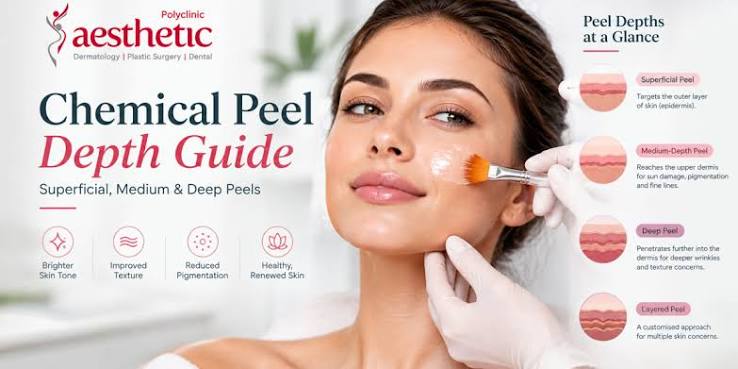
Light, medium, and deep peels change how far the treatment reaches
The biggest difference is depth. Light peels treat the outermost layer of skin. They often use alpha hydroxy acids or similar ingredients to improve brightness, mild discoloration, and rough texture. You may have some redness, tightness, and a little flaking, but many people return to normal activities quickly. If your skin looks tired rather than heavily damaged, this level can make sense.
Medium peels reach deeper into the skin and are often used for more visible sun damage, acne scarring, and uneven pigment. These treatments usually create more peeling, more redness, and a recovery period that can last several days to a couple of weeks. The result can be more noticeable, but so is the commitment. This is often where people realize that wanting stronger results also means accepting a stronger reaction.
Deep peels penetrate further still. They are used for more advanced wrinkles, scars, or severe sun damage, and they require careful medical oversight. Recovery is longer and more intense. Swelling, crusting, and significant redness can be part of the process. According to the Mayo Clinic overview of chemical peels, deeper peels produce more dramatic results but come with greater risks and a longer healing period.
Stronger peel depth can improve results, but it also raises the stakes
This is where many people get stuck. You want enough treatment to make a difference, especially if you have spent money on facials, serums, and home exfoliants that barely moved the needle. At the same time, you may not be able to take a week off work or explain obvious peeling to everyone around you. That tension is real.
A light peel may feel underwhelming if you are dealing with deeper acne scars or stubborn melasma. A medium peel may bring the improvement you hoped for, but if you have a history of post inflammatory hyperpigmentation or sensitive skin, your provider needs to plan carefully. A deep peel may sound appealing when you want major correction, yet it is not something to choose casually because the recovery, aftercare, and risk profile are much more serious.
Skin tone matters too. Deeper treatments can raise the risk of pigmentation changes in some patients, which is one reason a proper consultation matters. The Ohio State Wexner Medical Center guide to peel options explains that not every peel is right for every concern or skin type. Matching the peel to your skin is what protects both your results and your safety.
Chemical peel strength levels affect downtime, discomfort, and aftercare
The treatment itself is only part of the story. Healing often decides whether the experience feels worth it. With a light peel, you may deal with dryness and mild flaking for a few days. Makeup and work are often manageable soon after. With a medium peel, visible peeling can be hard to hide, and your skin may feel tight, hot, or itchy as it heals. Deep peels require a much more structured recovery, including strict sun protection and close follow up.
Sun exposure can undo progress and trigger discoloration, especially after medium and deep treatments. Picking at peeling skin can lead to marks that last longer than the issue you were trying to fix. If you are not ready to be consistent with sunscreen, gentle cleansing, and post treatment instructions, a stronger peel may create more stress than benefit.
Light vs medium vs deep peel comparison helps set realistic expectations
| Peel Level | Depth | Common Uses | Downtime | Risk Level |
|---|---|---|---|---|
| Light | Outer skin layer | Dullness, mild acne, rough texture, early discoloration | Little to a few days | Lower when professionally selected |
| Medium | Outer and part of middle skin layer | Sun damage, pigment issues, fine lines, some acne scars | Several days to about two weeks | Moderate |
| Deep | Deeper middle layer | Deeper wrinkles, advanced sun damage, more significant textural concerns | Two weeks or more, with lingering redness possible | Highest |
The UTHealth dermatology resource on skin resurfacing peels also notes that peel selection depends on your goals, medical history, and recovery tolerance. That is why the best skin resurfacing peel is not always the strongest one. It is the one your skin can handle well.
Choosing the right med spa treatment starts with honest planning
Know your real goal. Wanting glow before an event is different from trying to soften years of acne scarring. If your concern is mild texture or brightness, a series of lighter treatments may fit better than one aggressive session. If your concern is deeper pigment or etched lines, ask whether a medium peel is more realistic than a basic refresh.
Ask about downtime before you book. Not after. If you have work meetings, travel, workouts, or childcare demands, recovery matters. A provider should tell you what your skin may look like day by day, not just the final result. That conversation often changes the decision.
Get clear on safety for your skin type. Bring up past reactions, cold sores, medications, recent tanning, and any history of dark marks after breakouts or procedures. A good med spa does not rush this part. The right peel treatment plan may include skin prep, patch testing, or choosing a gentler option first.
The right peel strength should fit your skin and your life
You do not need the deepest peel to get a meaningful result. You need the right level for your skin concerns, your tone, and the amount of recovery you can actually manage. That is what makes the outcome feel worth it, not just dramatic.
If you are considering a med spa treatment for brighter, smoother skin, schedule a consultation and ask for a peel plan built around your goals, your skin history, and your downtime limits.

Post Comment