Deadheading Flowers Keeps a Backyard Garden Blooming Longer
A backyard garden often looks its best when flowers are fresh, colorful, and full. But after the first wave of blooms fades, many homeowners notice the same problem: the garden starts to look tired. Petals turn brown, flower heads droop, and plants that looked bright a week ago suddenly seem messy or slow to bloom again.
This does not always mean the plant is unhealthy. In many cases, it simply means the plant has moved into its next natural stage. Once a flower fades, the plant may begin putting energy into seed production instead of new blooms. That is where deadheading becomes useful.
Deadheading is the simple practice of removing spent flowers before they turn into seed heads. For many popular garden plants, this small habit can help the plant look cleaner and continue blooming for a longer period.
Why Faded Flowers Slow Down New Blooms
Flowers are part of a plant’s reproduction cycle. Once a bloom has done its job, the plant may start forming seeds. That process uses energy. If the plant is putting energy into seeds, it may produce fewer new flowers.
By removing faded blooms, gardeners can redirect some of that energy back into fresh growth and new flower production. This is especially helpful for annuals and repeat blooming plants. The result is not instant magic, but over time, the garden often looks fuller, cleaner, and more active.
Deadheading also improves appearance. Brown flower heads can make a healthy plant look neglected. Removing them keeps beds, borders, containers, and patio planters looking fresh.
Plants That Often Benefit From Deadheading
Many common backyard flowers respond well to deadheading. Petunias, marigolds, geraniums, zinnias, cosmos, daisies, roses, salvias, and coneflowers are common examples. These plants are often grown for their long bloom season, so removing spent flowers can help keep them looking attractive.
Container plants may need deadheading even more often. Since they are usually placed near patios, porches, entryways, or outdoor seating areas, faded blooms are easier to notice. A few minutes of cleanup can make a planter look refreshed without replacing the whole arrangement.
Not every plant needs deadheading. Some flowers produce decorative seed heads, feed birds, or naturally drop old blooms on their own. But for plants grown mainly for color and repeat flowering, deadheading is often worth the effort.
What to Remove From the Plant
Deadheading is not just pulling off dry petals. In many cases, the best approach is to remove the entire spent flower head, including the small stem behind it. If only the petals are removed, the plant may still continue forming seeds.
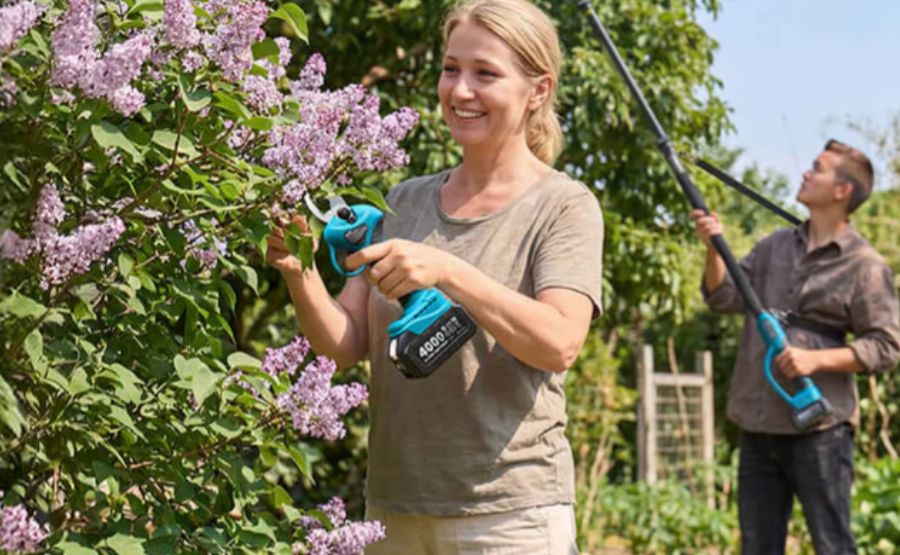
Look for flowers that are faded, brown, wilted, or no longer attractive. Follow the flower stem down to a healthy leaf or side shoot, then remove the spent bloom cleanly. For soft stems, fingers may be enough. For thicker stems, roses, woody plants, or larger flower heads, Pruning shears can make the job easier and cleaner.
Using a proper cutting tool also helps avoid pulling or damaging nearby buds. This matters because new buds are often close to old blooms. A careless tug can remove the next round of flowers before they open.
Deadheading Fits Into a Weekly Garden Routine
Deadheading does not need to become a major weekend project. It works best as a small, regular habit. A quick walk through the garden once or twice a week is usually enough for most home gardens during peak blooming season.
Focus first on the areas people see most often, such as front entry beds, patio planters, walkway borders, and porch containers. Then check larger beds or backyard borders. Removing faded flowers regularly keeps the work manageable and prevents the garden from looking worn out all at once.
This routine also gives homeowners a chance to notice other plant needs. While deadheading, it is easy to spot dry soil, pests, yellowing leaves, broken stems, or plants that need support.
A Cleaner Garden Feels More Inviting
A garden does not need to be perfect to feel beautiful. But small maintenance habits can make a big difference. When faded blooms are removed, colorful flowers stand out more clearly. Plants look more cared for. Outdoor spaces feel fresher and more enjoyable.
For homeowners who want more color without constantly buying new plants, deadheading is one of the simplest habits to build. It supports longer blooming, improves the look of the garden, and keeps flower beds from becoming messy too quickly.
Final Thoughts
Deadheading is a practical way to help backyard flowers stay attractive through the growing season. It removes tired blooms, encourages many plants to keep producing flowers, and makes garden beds and containers look cleaner.
For everyday gardeners, the process does not have to be complicated. A short weekly check, a careful eye for faded blooms, and the right cutting tool can keep a flower garden looking brighter for longer.



Post Comment