Selling Gold in London: What Actually Happens When You Walk In With Your Jewellery
Most people who bring gold into a dealer for the first time have no idea what to expect. They picture a pawnbroker squinting at a ring under a loupe and naming a number that feels either insultingly low or suspiciously generous, and either way they’re left wondering if they got a fair deal. The reality is more procedural than that, and once you know the steps, the whole thing takes on a lot less mystery.
Why People End Up Selling Gold in the First Place
The reasons are rarely as simple as “I needed cash.” A death in the family leaves a box of old rings and chains that nobody wants to wear but nobody wants to throw away either. A divorce means a wedding band that’s better off melted down than sitting in a drawer as a reminder. Sometimes it’s just decluttering — a single gold chain from a school reunion twenty years ago, tangled up with costume jewellery, that turns out to be worth considerably more than anyone assumed. Whatever the reason, the process of actually converting it into money is where most of the confusion sits.
The Gold Price Isn’t a Guess — It Moves by the Minute
Gold is traded on international markets and its price shifts throughout the trading day, quoted per troy ounce and then converted down into whatever unit a jeweller weighs your item in, usually grams. A dealer worth trusting will show you that live reference price rather than pulling a number out of thin air. If a shop won’t tell you what the spot price is that morning, or gets vague when you ask how they arrived at a figure, that’s worth noticing. A transparent trader has nothing to hide about the maths.
Purity Is Where the Real Variation Comes From
Not all gold jewellery is the same underneath the shine. The hallmark stamped inside a ring — often 9ct, 18ct, or 22ct in the UK — tells you what fraction of the metal is actually gold rather than alloy. A 9ct piece is only 37.5% pure, while 22ct sits at over 91%. Two rings that look identical to the eye can be worth wildly different amounts once weighed and tested, which is exactly why a proper acid test or electronic verification matters more than a visual guess. Anyone buying gold without checking purity first either doesn’t know what they’re doing or isn’t planning to pay you fairly.
What a Fair Transaction Actually Looks Like
A reputable buyer will weigh each piece separately, test the purity of anything without a clear hallmark, and calculate the value against that day’s live price before quoting you anything. You should be told the weight, the purity, and the rate being applied — not just handed a total and asked to take it or leave it. Some pieces carry more worth as jewellery than as scrap, particularly branded or antique items, and a trader who knows the difference will say so rather than melting everything down by default.
This is the standard that London Gold Centre has built its reputation on, weighing and pricing openly rather than leaving customers to guess at how a figure was reached.
Coins, Bars, and Scrap Aren’t Valued the Same Way
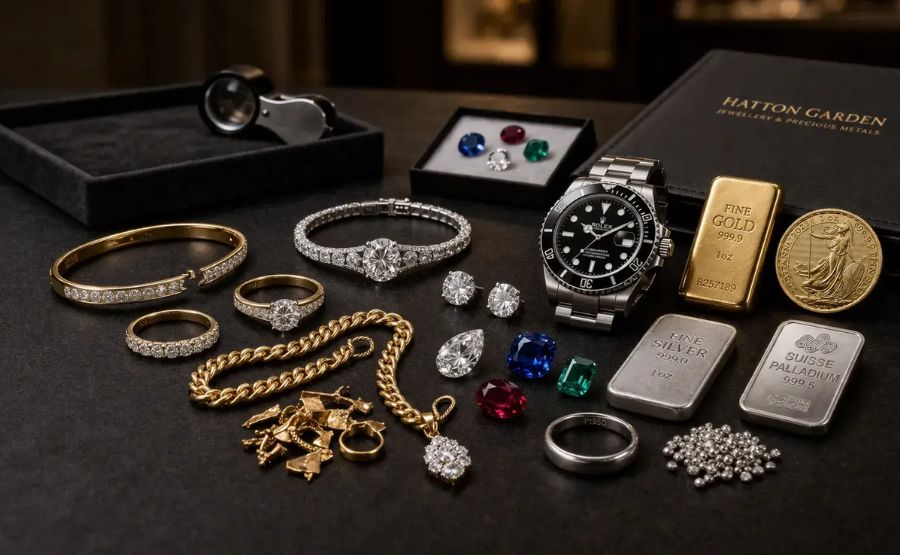
Bullion coins and bars are usually priced closest to the spot rate, since their purity and weight are already certified and there’s little guesswork involved. Scrap jewellery — broken chains, single earrings, old dental gold — gets valued on melt value once purity is confirmed. Collectible or numismatic coins are a separate category entirely, where rarity and condition can push the price well above the metal content alone, so it pays to have those looked at by someone who knows coins specifically rather than assuming they’ll be melted down for scrap value.
Questions Worth Asking Before You Commit
Ask what today’s gold price is and how it was calculated against your item. Ask whether the quote is for the melt value or whether they’ve recognised any collectible or brand premium. Ask if there’s a minimum weight or a fee for testing. None of these are awkward questions — a dealer who’s used to serious customers will answer them without hesitation, and a dealer who bristles at being asked is telling you something useful.
Getting a Second Opinion Costs Nothing but Time
Because prices vary by dealer margin rather than by the gold itself, it’s reasonable to get more than one valuation before deciding. This isn’t an insult to any individual buyer — it’s just sensible when the item in question might be worth a few hundred pounds or a few thousand. Bringing hallmark documentation, receipts, or valuations from previous appraisals can also speed things along and occasionally push the offer higher, since it removes uncertainty from the buyer’s side of the calculation.
The Bottom Line
Selling gold doesn’t have to feel like a gamble. Once you understand that price tracks a live market rate, that purity determines real value more than appearance does, and that a trustworthy dealer will walk you through both, the whole process becomes far less intimidating. Whether it’s a single ring or a whole collection of inherited jewellery, taking the time to understand what you’re holding — and who you’re selling it to — is the difference between a fair deal and a regretted one.




Post Comment