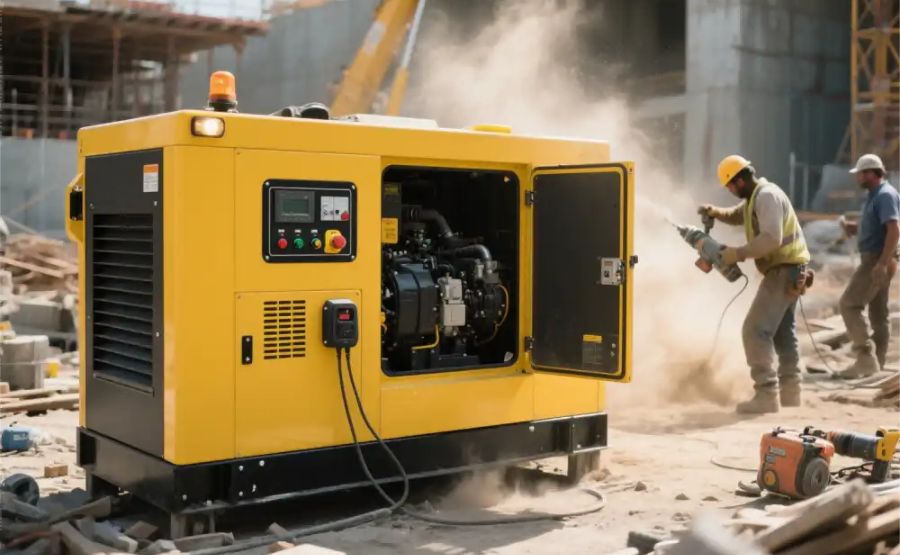
Generator Fueling: Essential Practices for Reliable Backup Power
Understanding the Importance of Generator Fuel Management
Reliable backup power is essential for homes, businesses, industrial facilities, construction operations, healthcare environments, and many other settings where an interruption in electricity can cause serious problems. A generator can provide dependable electricity during outages, but its performance depends heavily on having the right fuel available at the right time. Generator fueling is not simply a matter of filling a tank when the fuel level becomes low. It involves selecting the correct fuel, storing it safely, monitoring consumption, maintaining fuel quality, and ensuring that the equipment can receive fuel efficiently when required. A well-organized fuel management approach can help prevent unexpected shutdowns, reduce equipment problems, and improve the overall reliability of a backup power system. For organizations that rely on generators for critical operations, proper fuel planning should be considered an important part of emergency preparedness rather than an occasional maintenance task.
Choosing the Right Fuel for a Generator
Different generators are designed to operate with specific types of fuel, and choosing the correct option is essential for safe and efficient performance. Diesel, gasoline, propane, and natural gas are among the commonly used fuel sources, with each offering different advantages depending on the generator design and intended application. Diesel generators are often selected for demanding applications because diesel engines are generally durable and capable of operating for extended periods. Gasoline-powered generators are frequently used for smaller portable equipment, while propane and natural gas can provide convenient alternatives for certain standby systems. Before purchasing fuel, users should always check the generator manufacturer’s instructions and specifications. Using an incorrect fuel or an unsuitable fuel mixture can negatively affect combustion, damage engine components, increase maintenance requirements, and create unsafe operating conditions. Understanding the equipment’s fuel requirements from the beginning makes it easier to create a practical and dependable fueling plan.
Maintaining High Fuel Quality
Fuel quality plays a major role in generator performance, especially when fuel is stored for long periods. Fuel can become contaminated by water, dirt, sediment, or biological growth, and these contaminants may eventually interfere with the engine and fuel delivery system. Poor-quality fuel can clog filters, damage injectors, affect combustion, and reduce engine efficiency. In some situations, contaminated fuel can prevent a generator from starting when it is urgently needed. Regular inspection and appropriate testing can help identify potential fuel-quality problems before they become serious. Fuel tanks should be checked for moisture, corrosion, sediment, and other signs of contamination. Where necessary, professional cleaning and filtration services can help restore fuel quality and protect the equipment. Maintaining clean fuel is particularly important for emergency generators because these systems may remain unused for extended periods and then be expected to operate immediately during a power failure.
Proper Fuel Storage Practices
Safe and suitable storage is another important element of effective generator fuel management. Fuel should be stored in approved tanks or containers designed for the particular fuel type and operating environment. Storage areas should be properly maintained and protected from unnecessary sources of heat, sparks, flames, and other ignition hazards. Containers should be clearly labeled so that employees or operators can quickly identify their contents and avoid accidental misuse. Storage tanks should also be inspected regularly for leaks, corrosion, damage, and other problems that could compromise their condition. Moisture should be controlled because water inside a fuel tank can contribute to corrosion and contamination. Facilities with large fuel storage systems may require additional monitoring, containment measures, ventilation, and regulatory compliance procedures. Good storage practices not only protect people and property but also help preserve fuel quality and ensure that the generator remains ready for operation when electricity is unavailable.
Monitoring Fuel Consumption
Knowing how quickly a generator consumes fuel is essential when planning for extended operation. Fuel consumption can vary significantly depending on generator size, engine design, electrical load, operating conditions, and maintenance status. A generator running under heavy load will generally consume more fuel than one operating under a lighter load. Operators should maintain records of fuel levels, operating hours, and consumption whenever practical. These records can provide valuable information about how long the generator can operate before refueling becomes necessary. They can also help identify unusual changes in fuel consumption that may indicate an engine or fuel-system problem. Accurate monitoring makes it easier to determine when additional fuel should be ordered and reduces the risk of allowing the tank to reach a critically low level. Modern generators may also include electronic fuel-level monitoring systems that provide more precise information and can send alerts when fuel reaches a predetermined threshold.
Creating a Reliable Refueling Schedule
A planned refueling schedule can make generator operation considerably more reliable, particularly for facilities that depend on backup power for long periods. Instead of waiting until the tank is almost empty, operators should establish clear refill points based on expected consumption and the amount of reserve required. The schedule should account for normal generator use as well as potential emergency situations where the equipment may operate continuously for many hours or days. Businesses should also consider how quickly additional fuel can be delivered if their existing supply becomes insufficient. A reserve can provide valuable protection when deliveries are delayed or demand suddenly increases. Generator fueling should therefore be integrated into the facility’s emergency power procedures, with specific responsibilities assigned to trained personnel. When everyone understands who monitors fuel levels, who arranges deliveries, and who checks the equipment, the response to an extended outage can be much more organized.
Following Safe Fueling Procedures
Safety should remain a central consideration whenever fuel is transported, stored, or transferred into a generator. Fuel can present serious fire and exposure hazards if it is handled improperly, so operators should follow the manufacturer’s safety instructions and applicable workplace requirements. Ignition sources such as cigarettes, open flames, and sparks should be kept away from fueling areas. Depending on the equipment and manufacturer’s instructions, the generator should generally be turned off and allowed to cool before fuel is added. Operators should use suitable containers, hoses, pumps, and other equipment designed for fuel transfer rather than improvised methods. Spills should be dealt with immediately using appropriate cleanup procedures and materials. Personal protective equipment may also be required depending on the fuel type and working environment. Employees who handle fuel should receive suitable training so that they understand the risks and know how to respond to spills, leaks, fires, or other emergencies.
Inspecting the Fuel System Regularly
The generator’s fuel system should be included in routine maintenance inspections. Fuel lines, hoses, filters, tanks, connections, valves, pumps, and related components can deteriorate over time and may eventually develop leaks or restrictions. A small fuel leak can become a significant safety issue, while a clogged filter can reduce the amount of fuel reaching the engine and affect performance. Regular inspections allow operators to identify these problems before they result in a generator failure. Filters should be replaced according to manufacturer recommendations, while tanks and lines should be inspected for corrosion, cracks, loose connections, or other visible damage. Maintenance records should document inspections, replacements, repairs, and operating hours. Preventive maintenance is usually more effective and less disruptive than waiting for a component to fail during an emergency. By treating the fuel system as an important part of generator maintenance, operators can improve reliability and reduce the likelihood of unexpected downtime.
Preparing for Extended Power Outages
Emergency planning becomes especially important when a generator is expected to operate for an extended period. A short power interruption may require only a limited amount of fuel, but a major outage can quickly consume available reserves. Facilities that depend on continuous electricity should estimate fuel requirements under different operating conditions and determine how much fuel they need to maintain operations for an extended period. The plan should identify storage capacity, expected consumption, supplier contacts, delivery procedures, emergency responsibilities, and backup options. It is also useful to identify the equipment and electrical loads that are considered essential so that fuel consumption can be managed if supplies become limited. Regular testing of the emergency power plan can reveal weaknesses before a real outage occurs. Preparation gives operators a clearer understanding of what actions are necessary and helps reduce confusion when power is unexpectedly interrupted.
Reducing Unnecessary Fuel Consumption
Efficient generator operation can help reduce fuel expenses while extending the available runtime of the equipment. One way to improve efficiency is to ensure that the generator is correctly sized for the electrical load it is expected to support. A generator that is significantly larger than necessary may operate inefficiently under light loads, while an undersized unit may be forced to work excessively hard. Preventive engine maintenance can also support efficient fuel use by ensuring that filters, injectors, lubrication systems, and other components remain in good condition. Operators should monitor load levels and avoid running unnecessary equipment during extended outages whenever possible. Regular analysis of fuel consumption can help identify patterns and opportunities for improvement. Efficient operation is particularly valuable when fuel availability is limited because reducing unnecessary consumption can extend the amount of time that backup power remains available.
Using Technology for Fuel Monitoring
Modern technology has made it easier for organizations to monitor generator fuel levels and operating conditions. Many newer generator systems can provide information about fuel quantity, engine status, operating hours, electrical load, alarms, and maintenance requirements. Remote monitoring systems can allow managers to review generator information without being physically present at the equipment. Automated notifications can alert responsible personnel when fuel levels fall below a specified threshold or when an operational problem occurs. These systems can improve response times and make fuel management more predictable. However, technology should not completely replace physical inspections. Sensors can provide useful data, but they may not identify every problem, such as a damaged hose, external leak, corrosion, or physical obstruction. The most effective approach combines digital monitoring with regular visual inspections and professional maintenance.
Managing Fuel Costs Effectively
Fuel can represent a significant operating expense for organizations that use generators frequently. Careful planning can help control these costs without compromising reliability. Tracking consumption provides information about how much fuel is being used and whether the generator is operating efficiently. Organizations can use this information to forecast future requirements and establish reasonable purchasing schedules. However, buying large quantities of fuel solely to obtain a lower price may not always be beneficial if the fuel will remain stored for too long or if the storage system is inadequate. Fuel quality, storage capacity, expected consumption, delivery reliability, and equipment requirements should all be considered when developing a purchasing strategy. Preventive maintenance can also contribute to cost control because a well-maintained engine is less likely to experience expensive failures and may operate more efficiently. A balanced approach to fuel purchasing and maintenance can support both financial efficiency and operational reliability.
Protecting the Environment During Fuel Handling
Responsible fuel handling is important for protecting the surrounding environment. Fuel spills can contaminate soil, drainage systems, and water sources, while poorly maintained tanks can create long-term environmental risks. Facilities should use suitable containment measures and regularly inspect storage tanks, transfer equipment, and fuel lines. Operators should avoid overfilling tanks and should respond quickly if a spill occurs. Used filters, contaminated materials, and waste fuel should be handled and disposed of according to applicable requirements. Employees should also understand the facility’s spill-response procedures so that they can act quickly when an incident occurs. Environmental protection and generator reliability are closely connected because a damaged or leaking fuel system can create both operational and environmental problems. Proper maintenance, careful handling, and appropriate storage can significantly reduce these risks.
Training Operators and Maintenance Staff
People responsible for generators should understand both the equipment and the fueling procedures associated with it. Training should cover basic generator operation, fuel monitoring, safe handling, emergency shutdown procedures, inspection requirements, and reporting of potential problems. Employees should know how to recognize signs of fuel contamination, leaks, unusual consumption, or engine performance changes. They should also understand when professional assistance is required rather than attempting repairs beyond their training. Clear responsibilities help prevent important tasks from being overlooked. Written procedures can provide additional guidance, especially when different employees may be responsible for the generator during different shifts. Regular refresher training can help maintain awareness and ensure that procedures remain familiar. Well-trained personnel are an important part of any reliable backup-power program because even high-quality equipment can fail when it is improperly operated or maintained.
Building a Complete Fuel Management Plan
A comprehensive fuel management plan should bring all of these practices together into one organized system. The plan should identify the generator’s fuel type, tank capacity, average consumption, expected runtime, minimum reserve level, inspection schedule, and emergency refill requirements. It should also include information about responsible personnel, supplier communication, safe transfer procedures, spill response, and maintenance requirements. The plan should be reviewed regularly because operating conditions can change. New equipment may be added, electrical loads may increase, storage capacity may change, or emergency requirements may become more demanding. Testing the plan under realistic conditions can help identify weaknesses before an actual emergency occurs. A written plan provides a practical reference for employees and reduces the risk of relying on assumptions when quick decisions are required.
Final Thoughts on Reliable Generator Operation
A dependable generator is only as useful as the preparation behind it. Fuel selection, storage, quality, monitoring, maintenance, safety, and emergency planning all contribute to reliable performance. Organizations and individuals that depend on backup power should make fuel management an ongoing responsibility rather than something considered only when an outage occurs. Regular inspections can prevent minor problems from developing into expensive failures, while consumption records can help operators understand how much fuel is needed for different operating conditions. Safe storage protects both people and equipment, while proper maintenance helps preserve fuel-system performance. By combining these practices into a structured approach, generator owners can improve reliability, reduce unnecessary costs, and remain better prepared for unexpected power interruptions.Effective generator fueling requires consistency, planning, and attention to detail. The goal is not merely to keep a tank full but to ensure that the complete fuel system remains safe, clean, accessible, and capable of supporting the generator when it is needed. A proactive approach can provide greater confidence during emergencies and help extend the useful life of expensive equipment. Whether a generator is used occasionally for emergency backup or operates regularly in a demanding environment, careful fuel management can make a substantial difference. With appropriate planning, trained personnel, quality fuel, regular inspections, and dependable maintenance, a generator can remain a reliable source of power when normal electricity is unavailable.




Post Comment