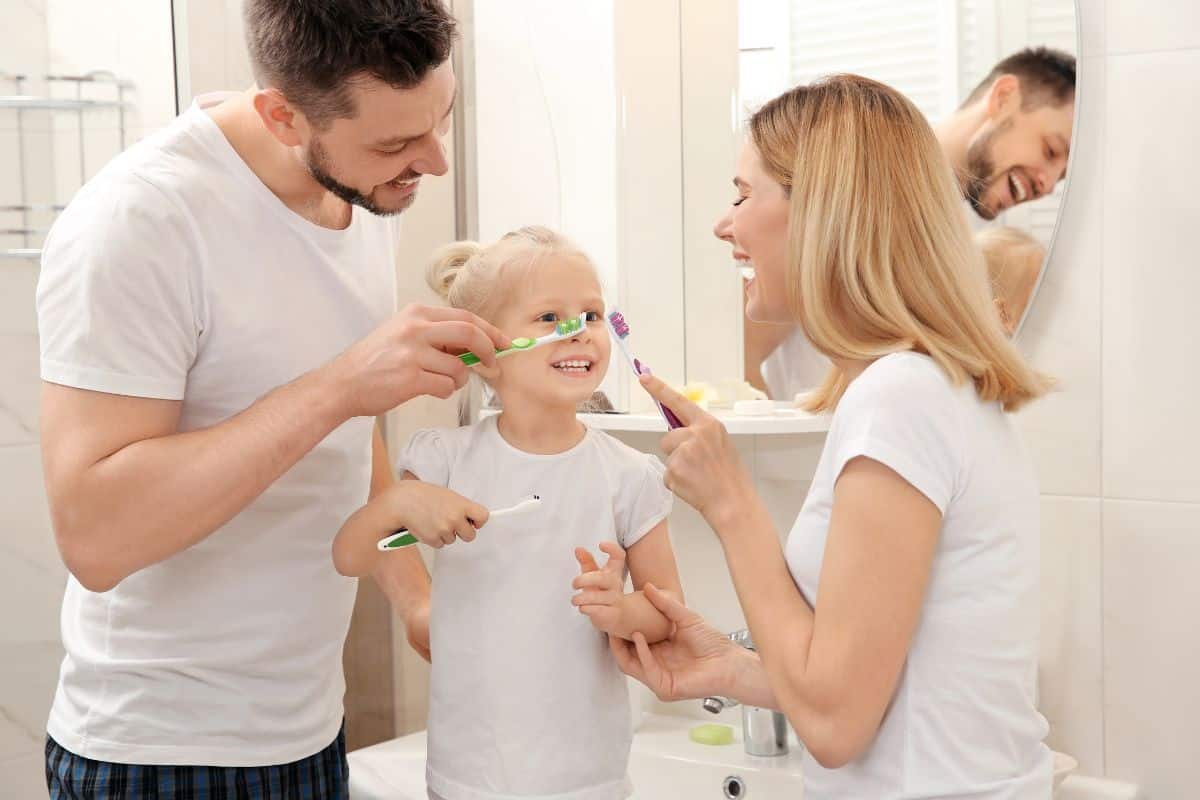
How Family Dentistry Encourages A Culture Of Oral Health At Home
You remind your kids to brush, you buy the toothpaste they like, and you try to keep up with appointments between school, work, meals, and everything else that fills the day. Even with good intentions, home dental habits can slip. A skipped brushing here, a little fear of the dentist there, and suddenly oral care, including preventive dental care for families, feels like one more thing you are supposed to manage perfectly.
That pressure is real. Oral health at home is not built by one lecture or one cleaning. It grows through repetition, routine, and trust. A family dentist helps shape that rhythm. Good family dentistry does more than treat cavities. It gives children and adults a shared standard for care, clear guidance, and a familiar place to return to when questions or problems come up.
Family dental care turns oral hygiene into a shared routine
Children learn by watching. If dental care only comes up when someone has pain, the message at home becomes reactive. Teeth matter when something goes wrong. A family dentist changes that pattern by making prevention part of normal life. Regular visits, age-based advice, and simple explanations help everyone in the household see oral care as routine, not punishment.
This matters because home habits are where oral health is won or lost. A professional cleaning every six months cannot undo daily plaque buildup, constant sipping of sugary drinks, or inconsistent brushing before bed. The National Institute of Dental and Craniofacial Research offers practical oral hygiene guidance that supports the same message many family practices give patients every day. Brush twice a day with fluoride toothpaste, clean between teeth, and stay consistent.
Consistency is hard when each person in the house has different needs. A toddler may resist brushing. A teenager may wear braces and rush through cleaning. An adult may grind their teeth from stress and ignore bleeding gums. A family dentist sees the full picture and helps tailor care to each stage of life without breaking the family into separate systems.
Preventive family dentistry lowers stress before bigger problems start
Small issues rarely stay small when they are ignored. A child with early decay may not complain until eating hurts. A parent who avoids checkups because of cost may end up needing more treatment later. That cycle is familiar in many homes. You put off the visit because life is busy, then the problem gets expensive, painful, and urgent.
Family oral health care helps interrupt that cycle. Preventive visits create chances to catch weak spots early, reinforce brushing technique, talk about diet, and reduce fear through familiarity. Kids who grow up seeing the same dental team often feel less anxious because the setting is known. That comfort carries home. Brushing and flossing stop feeling like random rules and start feeling connected to something they understand.
Parents benefit too. When one practice treats multiple family members, advice becomes easier to apply at home. You hear the same guidance on fluoride, snacking, sealants, gum health, and daily cleaning, and that makes routines simpler to maintain. A family dentist also notices patterns, including frequent cavities across siblings or signs that a child needs extra help with brushing.
Home habits improve when dental advice is clear and age specific
General advice often sounds easy until you try to use it in real life. Brush longer. Floss more. Cut back on sugar. The problem is that families need specifics. Which toothbrush works for a six year old with sensory issues? When should a parent stop helping with brushing? What snacks are less likely to feed decay when the day is packed?
Reliable public health guidance helps answer those daily questions. The CDC shares oral health tips for children that support what many family dentists teach in the office, including supervising brushing, using fluoride toothpaste in the right amount, and starting healthy habits early. MedlinePlus also explains how to brush your teeth properly, which is useful when a child says they already brushed and you know it took twelve seconds.
A family dentist takes those broad recommendations and turns them into something usable at home. That can mean showing a child how to angle the brush along the gumline, helping a parent manage thumb sucking, or explaining why juice before bed keeps leading to trouble. Clear advice lowers conflict because it replaces guesswork with a plan.
Daily home care and professional family dentistry work better together
| At-Home Habit | What It Helps With | Where a Family Dentist Adds Value |
|---|---|---|
| Brushing twice a day with fluoride toothpaste | Removes plaque and lowers cavity risk | Checks technique, recommends the right toothpaste amount, spots early decay |
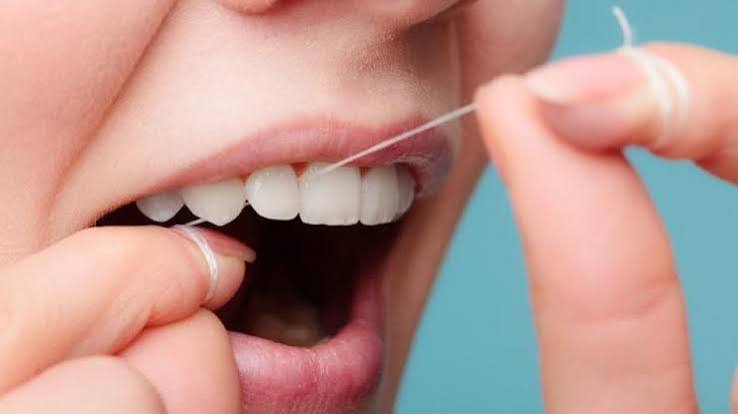
| Flossing or cleaning between teeth | Reduces buildup where brushes miss | Shows easier methods for kids, braces, or tight teeth |
| Limiting sugary snacks and drinks | Lowers acid attacks on enamel | Connects diet patterns to cavity risk and suggests realistic swaps |
| Routine dental visits | Supports prevention and early treatment | Provides cleanings, exams, sealants, fluoride treatments, and monitoring over time |
Home care and office care are not competing options. One supports the other. Families do best when the dentist is not there only for emergencies but as part of the household’s long-term routine.
Small steps build a stronger culture of oral health at home
Set one visible routine. Pick two anchor points each day, usually after breakfast and before bed, and make brushing happen at the same time for everyone who can participate. Young children still need help, often longer than parents expect. A fixed routine reduces arguments because the decision is already made.
Use dental visits as teaching moments, not threats. Avoid saying a child will “get in trouble” at the dentist for poor brushing. That adds fear and shame. Treat appointments as part of regular care, the same way you would a wellness visit. Children who feel safe are more likely to cooperate at home.
Ask for one change, not ten. If your family struggles with flossing, focus there first. If bedtime brushing keeps getting skipped, solve that before worrying about anything else. One successful change sticks better than a pile of advice that nobody can maintain.
Family dentistry supports healthier homes over time
You do not need a perfect routine to build a healthy one. Most families are working through the same mix of busy schedules, tired kids, forgotten floss, and delayed appointments. The goal is not flawless dental care. The goal is a home where oral health is normal, expected, and supported.
That is where family dentistry helps most. It gives your household structure, early support, and practical guidance that fits real life. If your family has fallen out of rhythm, now is a good time to schedule a visit with a trusted family dentist and start rebuilding those habits one day at a time.

Post Comment