“Level Playing Field”: The Origin, Meaning, and Evolution of Sports Idioms
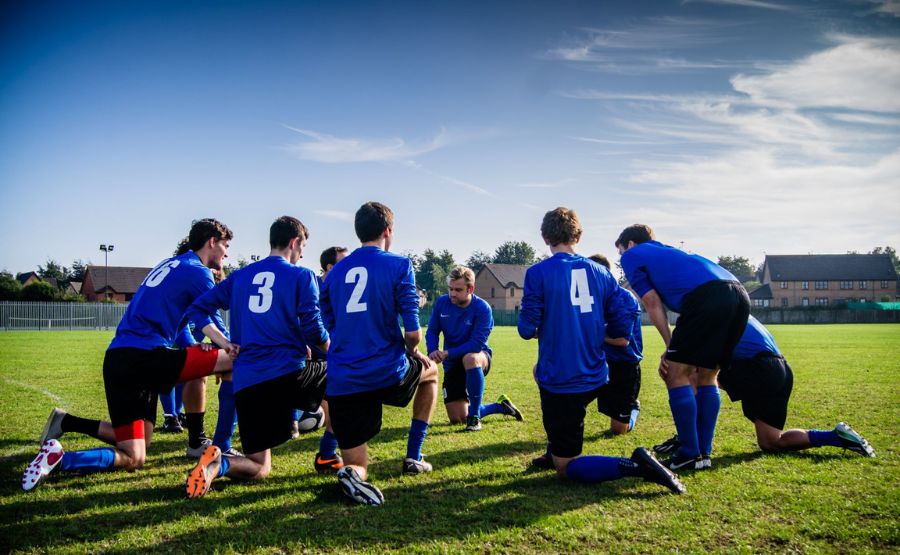
Sports have a strange way of finding their way into everyday conversations. Someone can “kick off” a meeting without ever touching a football. A manager can be accused of “moving the goalposts.” A company can ask for a “level playing field.” Most people use these phrases without thinking much about where they came from. They’ve simply become part of the language. But look a little closer and there’s usually a sporting image sitting underneath the expression. That’s what makes sports idioms interesting. The original meaning may belong to a football pitch, cricket ground, or another sporting setting, while the phrase itself now gets used in offices, classrooms, politics, business meetings, and even ordinary arguments.
So, What Exactly Is a Level Playing Field?
Take the phrase literally and it’s pretty straightforward. A playing field should ideally be flat. If one side of the field slopes significantly, the conditions aren’t quite the same for both teams. Depending on the sport, the slope could affect movement, passing, speed, or even where the ball travels. So the idea of a “level playing field” is basically about removing that kind of built-in advantage.
The modern meaning follows the same logic. It characterises an environment in which individuals or businesses have an equal opportunity to compete without one side gaining an unfair advantage due to external circumstances.
These days, the word is used significantly more outside of sports than within them. When competing with large corporations, a small firm could say that new regulations should level playing field. The phrase may also be used in discussions about differences in resource access in the field of education. In politics, it can refer to whether different groups have comparable opportunities. The field is no longer necessarily a field.
The Phrase Hasn’t Always Been Used This Way
The sporting image is old, but the figurative expression is much newer. Phrase Finder points to a January 1977 printed example involving competition between financial institutions. That is a good illustration of how quickly sporting language can move into completely different areas. Once people started using the phrase outside sport, the meaning was easy to understand. No complicated explanation was needed.
A level field means fair conditions. Simple. And that simplicity is probably part of the reason the phrase stuck.
“Moving the Goalposts” Is Another Good Example
This one’s almost impossible to misunderstand once the image is clear. Imagine preparing to score when someone suddenly moves the goal. The original target is no longer where it was supposed to be. That’s exactly what “moving the goalposts” means in everyday language. Someone changes the rules, requirements, or expectations after the other person has already started working toward them.
It happens everywhere. A company agrees on a project deadline and then adds several new requirements without changing the deadline. A student completes an assignment based on the original instructions and is then told that something completely different was expected. A negotiation begins with one set of conditions and ends with another. The goalposts have moved. Phrase Finder traces the wider British use of the expression to the 1980s. Again, the sporting meaning makes the figurative one much easier to understand.
Then There Is “Kick Off”
“Kick off” is probably one of the most ordinary examples. In football, the kick-off starts the match. Over time, “kick off” started being used for all kinds of beginnings. A conference kicks off. A campaign kicks off. A meeting kicks off. A new project kicks off. According to the Online Etymology Dictionary, the football-related phrases use dates back to the nineteenth century, while the broader figurative sense developed later.
Nobody really stops to think about the football connection anymore. That’s usually what happens when an idiom becomes established. The original picture fades into the background, but the expression stays.
Why Sports Work So Well as a Source of Idioms
There’s a reason sports produce so many expressions. Sport is full of situations people already understand: winning, losing, competing, following rules, taking risks, changing tactics, working as a team, and trying to reach a target. Those ideas also exist in everyday life. A workplace has goals. Businesses compete. Teams need to cooperate. People make mistakes and adjust their approach. Rules sometimes change. Someone’s always trying to get ahead. So it’s not surprising that sporting language fits so easily into other parts of life.
There’s also something very visual about it. “Unfair conditions” is a fairly dry phrase. “Not a level playing field” gives people an image immediately. The same goes for “moving the goalposts.” It’s much more memorable than simply saying that someone changed the requirements.
What Young Athletes Learn from the Actual Game?
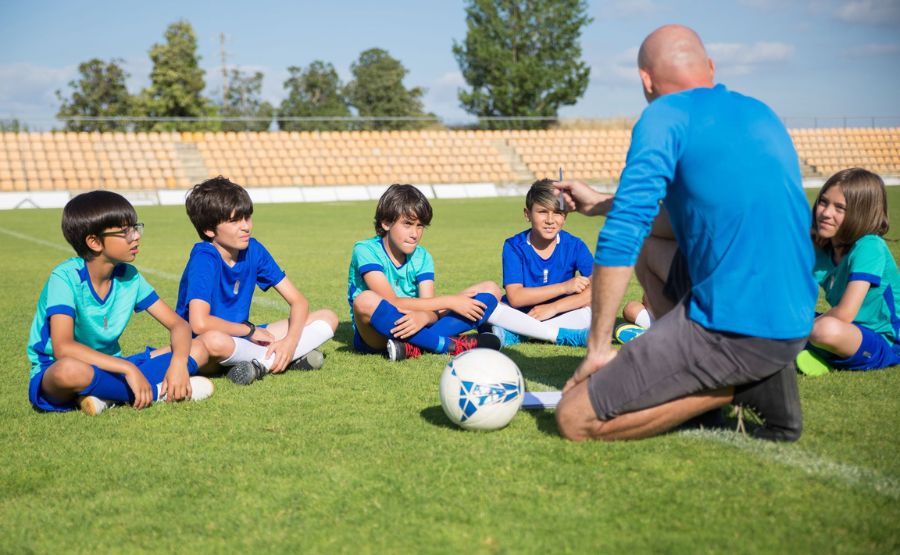
The connection between sports language and real life isn’t only about words. Young athletes encounter these ideas directly. Fairness, teamwork, competition, discipline, dealing with mistakes, listening to instructions, and working toward a shared objective are all part of organised sport. That’s one reason structured sports environments can be useful beyond physical training. A player may go to practice expecting to improve a pass or a shot, but there are other lessons happening at the same time. Working with teammates. Losing without giving up. Accepting a decision that doesn’t go your way. Trying again after making a mistake.
For children and teenagers looking for a more focused sporting experience, football summer camps can bring many of these elements together in a structured environment. The phrase “level playing field” fits particularly well here. Sport works best when the rules are understood, the competition is fair, and everyone gets a genuine chance to participate.
How the Meaning Keeps Changing?
Idioms do not stay frozen. “Level playing field” started with a physical sporting idea, but today it appears in conversations about markets, regulation, education, technology, and international trade. “Moving the goalposts” has nothing to do with an actual goal in most conversations where it’s used. And “kick off” is now just a normal way of saying that something has started. That’s the interesting part. The words stay familiar even when the original setting disappears.
Sports gave English a surprisingly large collection of expressions for talking about competition, fairness, progress, and conflict. Some are so common that their origins are barely noticeable anymore. The next time a meeting “kicks off” or someone complains about a “level playing field,” there’s a football pitch hiding somewhere underneath the conversation. The game may have ended, but the language it produced clearly hasn’t.



Post Comment